


Why Extra Caution is Crucial
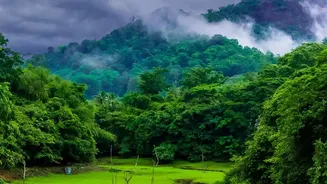
The Indian monsoon transforms the landscape, but it also brings significant dangers like flash floods, waterlogging, and landslides. Hilly states are particularly vulnerable. Heavy rainfall saturates the soil on steep slopes, leading to mudslides and rockfalls
that can block roads for days, leaving travellers stranded. Recent reports from August 2026 highlight severe disruptions in states like Himachal Pradesh and Uttarakhand, where continuous rains have led to numerous road closures and tragic accidents. As of mid-August 2026, Himachal Pradesh reported over 88 road blockages, with Mandi and Kullu districts being the worst affected. This underscores the reality that monsoon travel, especially to mountain destinations, is not just about packing a raincoat but about active risk assessment and preparation.
Know the High-Risk Zones
Certain regions are notoriously susceptible to landslides during the monsoon months of July and August. Authorities consistently advise extra caution when travelling through these areas. Key landslide-prone tourist corridors include several areas in Himachal Pradesh, such as the routes to Kinnaur, Chamba, Kullu-Manali, and the Kalka-Shimla stretch. Similarly, in Uttarakhand, the Char Dham routes, along with areas around Mussoorie and Nainital, are considered high-risk. The Western Ghats also see their share of monsoon fury, with the Nilgiris (Ooty-Coonoor), Munnar in Kerala, and Wayanad facing potential road closures. In the Northeast, the highway to Sikkim and Darjeeling (NH-10) is also vulnerable. Travellers should reconsider plans to these specific areas when heavy rainfall warnings are active.
Your Pre-Travel Safety Checklist
A safe trip starts before you even leave home. First, closely monitor weather forecasts from the India Meteorological Department (IMD). The IMD issues colour-coded alerts (like yellow alerts) which indicate the need to stay vigilant about potentially disruptive weather. Plan your route with buffer days to account for unexpected delays. Avoid travelling at night in hilly areas when visibility is poor and rescue operations are more challenging. Pack an emergency kit containing a first-aid box, torch, power bank, dry food items, and sufficient drinking water. Keep important documents in a waterproof bag. Finally, inform a friend or family member about your itinerary and keep them updated.
Tech Tools for Real-Time Updates
Technology can be your best friend for staying ahead of monsoon hazards. Several mobile apps provide crucial, real-time information. The National Disaster Management Authority's (NDMA) 'Sachet' app offers weather forecasts and disaster warnings. The 'Damini' app provides lightning alerts, while the Geological Survey of India (GSI) has launched 'Bhooskhalan' for landslide forecasts in specific districts. For road conditions, navigation apps like Mappls (formerly MapmyIndia) have integrated alerts from the National Highways Authority of India (NHAI) for hazards like landslides and accident-prone zones. Some user-driven apps like 'IndiaRoad Map' also claim to provide real-time alerts on bad road patches. Before travelling, checking the social media handles of local traffic police can also provide the latest updates on road blockages.
On the Road: Reading the Warning Signs
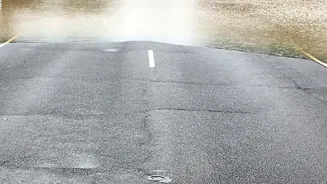
When you are on the move, especially on mountain roads, be observant. There are often subtle but clear warning signs of a potential landslide. Look for changes in the landscape, such as new cracks appearing on the road or ground. Notice if trees, fences, or utility poles appear tilted. Listen for a faint rumbling sound that might increase in volume, as this can signal approaching debris. If you see muddy water flowing where it shouldn't be or observe a small slide, treat it as a serious warning of a larger, impending one. Never try to cross a road where a landslide has just occurred, as the area remains unstable and a second slide is possible.
What to Do If You Get Caught
If you find yourself near a landslide, moving away from its path is the most critical action. Do not stop to take photos or videos. If escape is not possible, curl into a tight ball and protect your head with your arms. If you are in a car, stay inside and keep your seatbelt on. If you get stranded due to a road blockade, stay in your vehicle and wait for official help. Avoid venturing out, especially if it's raining heavily. Tune into local radio or check official social media feeds for instructions from emergency services. The key is to remain patient and conserve your resources like food, water, and your phone's battery until help arrives.