







The Brain’s Natural Energy Gauge
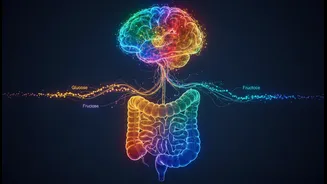
Our brain has a sophisticated, built-in system for monitoring energy intake. For millennia, a simple rule applied: sweet taste equaled energy, usually in the form of sugar. When you eat something sweet, taste receptors on your tongue send a signal to your brain,
which prepares for an incoming rush of calories. This process involves the release of dopamine, a neurotransmitter associated with pleasure and reward. Simultaneously, your gut prepares to digest these calories, and upon their arrival, sends signals back to the brain confirming that energy has been received. This feedback loop is crucial; it helps the brain learn which foods are reliable energy sources, reinforcing your desire for them and creating a feeling of satisfaction and fullness.
The Sweetness Mismatch
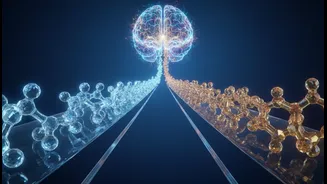
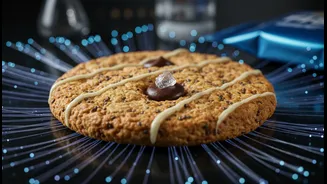
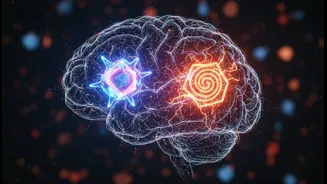
Enter processed diet snacks and drinks. These products are engineered to mimic the sweet taste of sugar without providing the associated calories, using non-nutritive sweeteners (NCSs) like sucralose, aspartame, and saccharin. These substances can be hundreds of times sweeter than actual sugar, delivering an intense taste signal to the brain. Your brain's reward pathways are partially activated by this sweet taste, anticipating a surge of energy. However, this is where the system breaks down. The expected calories never arrive in the gut. This creates a fundamental mismatch: the brain receives a strong 'sweet' signal but no corresponding 'energy' signal.
A Confused and Unhappy Brain
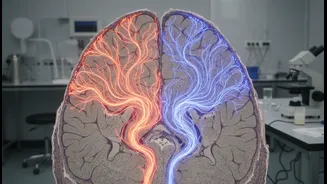
When the brain is consistently 'tricked' by calorie-free sweetness, it begins to distrust the sweet taste as a reliable indicator of energy. Studies show that while artificial sweeteners can trigger an initial dopamine response due to taste, they fail to produce the more critical, secondary dopamine surge that signals nutritional value has been received. Over time, this can weaken the brain's reward prediction. The brain essentially learns that sweetness no longer guarantees energy, a process that can disrupt appetite regulation. Research suggests this confusion can increase activity in the hypothalamus, a brain region that regulates hunger, potentially making you feel hungrier after consuming a diet snack.
The Downstream Consequences
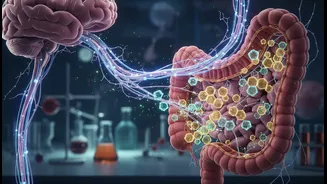
This neural confusion has several potential consequences. Firstly, it might lead you to overeat later to compensate for the satisfaction you never received. If the brain's reward system isn't fully satisfied, the craving for something genuinely energy-dense can persist or even intensify. Secondly, this constant mismatch can disrupt the gut-brain axis, the complex communication network connecting your digestive system and your central nervous system. Some studies indicate that artificial sweeteners can alter the composition of gut microbiota, which plays a crucial role in everything from metabolism to mood. This disruption may contribute to metabolic issues and inflammation over the long term.
Recalibrating Your Natural Sensors
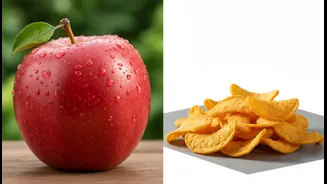
The key takeaway isn't that you must avoid all sweet tastes, but to understand the importance of reconnecting taste with nutrition. The brain isn't being fooled because it's flawed; it's being sent contradictory signals by foods that didn't exist for most of human evolution. Focusing on whole, unprocessed, or minimally processed foods helps realign your brain's natural sensors. When you eat an apple, for instance, the sweetness, fibre, and nutrients provide a consistent and honest package of information to your brain and gut. Reducing reliance on ultra-processed foods can help recalibrate your reward system, allowing your brain to once again trust the signals it receives, leading to better appetite control and a more intuitive sense of what your body truly needs.