




From Skincare to Living Space
For years, J-Beauty has been celebrated not just for its products, but for its core philosophy. Unlike the multi-step, product-heavy routines often seen elsewhere, the Japanese approach to beauty champions simplicity, intentionality, and high-quality
natural ingredients. It’s about a mindful ritual rather than a hurried chore. This ‘less but better’ ethos focuses on nurturing skin from within to achieve a natural, healthy glow. Now, this very same mindset is moving from the bathroom shelf to the living room, influencing how we design our homes. The goal is the same: to create an environment that feels balanced, serene, and authentically nurturing.
The Philosophy of a Zen Home
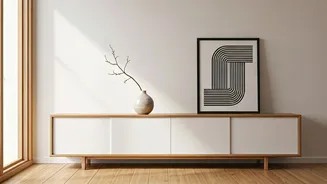
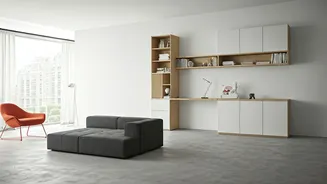
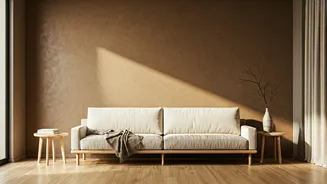
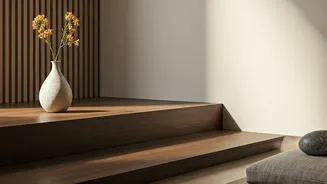
The link between a beauty routine and interior design isn’t just aesthetic; it's deeply philosophical. Japanese design principles like ‘Wabi-Sabi’—which finds beauty in imperfection and impermanence—and ‘Ma’—the appreciation of negative space or emptiness—are direct translations of the J-Beauty spirit. A Wabi-Sabi home isn't about flawless, factory-perfect furniture. It embraces a handcrafted wooden bowl with a slight crack, the texture of handwoven linen, or the patina on a vintage brass lamp. Similarly, ‘Ma’ teaches that the empty spaces in a room are just as important as the objects within them. This allows each piece to breathe and be appreciated, preventing the visual noise that contributes to mental clutter.
A Balm for Urban Chaos
Why is this trend finding such fertile ground in India’s bustling cities? The answer lies in our increasingly hectic, digitally saturated lives. For many urban dwellers in Mumbai, Delhi, or Bengaluru, home has become the last bastion of peace. The constant sensory overload of traffic, crowds, and notifications has created a deep yearning for a sanctuary—a space to decompress and recharge. The Zen layout, with its emphasis on decluttering, natural light, and tranquility, offers a direct antidote to this external chaos. The pandemic amplified this need, forcing us to spend more time indoors and re-evaluate our living spaces not just as places to exist, but as environments that profoundly impact our mental well-being.
Creating Your Pocket of Zen
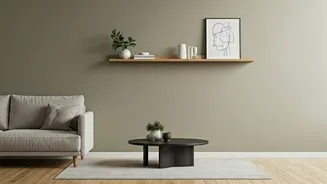
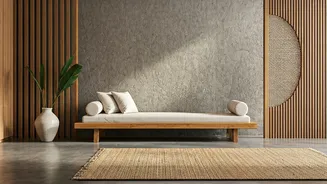
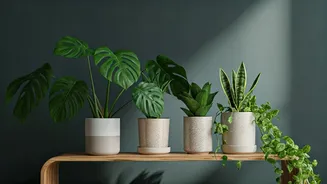
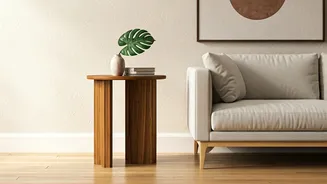
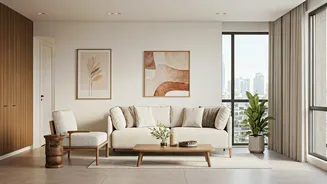
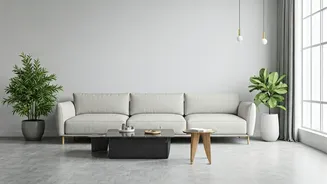
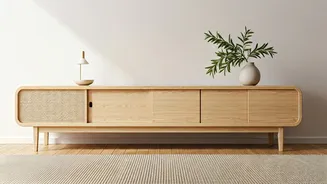
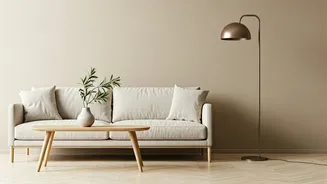
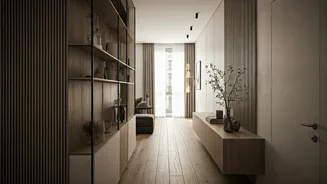
Adopting this style doesn’t require a complete overhaul. It begins with decluttering, inspired by another Japanese export, Marie Kondo. The principle is simple: keep only what brings you joy or serves a clear purpose. Next, focus on a muted, nature-inspired colour palette—think shades of beige, soft grey, earthy browns, and forest green. Maximise natural light by using sheer curtains instead of heavy drapes. Introduce natural materials like jute rugs, wooden furniture, ceramic pots, and cotton or linen textiles. Finally, bring the outside in with houseplants, which not only purify the air but also add a touch of living, breathing beauty. The key is curation; choose a few high-quality, meaningful items over an abundance of generic decor.
More Than Just Minimalism
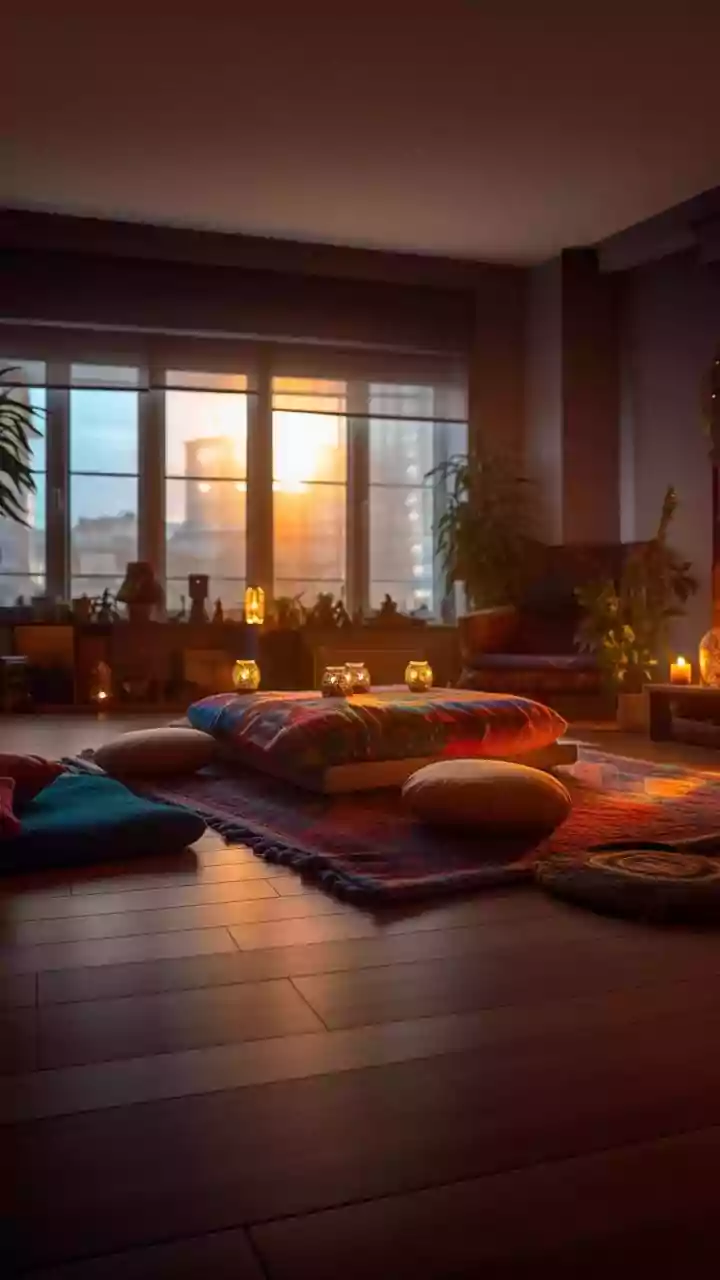
It’s crucial to distinguish this trend from cold, sterile minimalism. A Zen-inspired home is not empty; it’s intentional. It is warm, personal, and deeply connected to its inhabitants. This is where it blends beautifully with Indian sensibilities. A single, exquisitely crafted piece of Bidriware on a clean wooden shelf has more impact than a dozen smaller trinkets. A hand-block printed cotton quilt in a muted colour can be the centerpiece of a serene bedroom. The idea isn't to erase culture or personality but to give it space to shine. By removing the non-essential, you create a gallery-like setting for the things you truly love, whether it's a piece of family history, a beloved painting, or a simple handcrafted vase.