







Why Rest Is When You Get Stronger
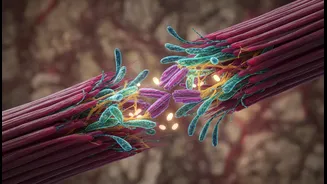
It might seem counterintuitive, but exercise is a process of controlled damage. When you lift weights or push your endurance, you create microscopic tears in your muscle fibers. This stress is the necessary signal that tells your body it needs to adapt
and get stronger. The actual repair and growth, a process called muscle protein synthesis, happens not during the workout, but during the recovery period that follows. Without adequate time to heal and rebuild, you’re not only short-changing your potential gains but also setting yourself up for diminished performance and a higher risk of injury. Recovery isn't a passive wait; it's an active, essential phase where your body rebuilds the muscle tissue, making it more resilient for your next session.
The Foundation: Sleep and Hydration
Before considering any fancy gadgets or complicated techniques, the two most powerful recovery tools at your disposal are sleep and water. During deep sleep, your body ramps up the production of crucial anabolic hormones, including human growth hormone (HGH) and testosterone, which are vital for repairing tissue and building muscle. Skimping on sleep can elevate levels of the stress hormone cortisol, which hinders recovery and can even lead to muscle breakdown. Aiming for 7-9 hours of quality sleep per night is non-negotiable for anyone serious about fitness. Hydration is equally critical. Water is essential for transporting nutrients to your cells and flushing out metabolic waste products generated during exercise. Even mild dehydration can impair muscle function and significantly delay your recovery process.
Fueling the Repair: Smart Nutrition
Your body can't rebuild without the right raw materials. Post-workout nutrition is all about providing the necessary building blocks for repair and replenishing the energy you’ve just expended. Protein is paramount, as it provides the amino acids needed for muscle protein synthesis. Experts often suggest a target of 1.6 to 2.2 grams of protein per kilogram of body weight per day for active individuals. Carbohydrates are just as important. They are needed to restore your muscle glycogen stores, which are your body's primary fuel source for high-intensity activity. Consuming a meal or snack containing both protein and carbohydrates within a couple of hours after your workout can significantly boost your recovery.
Moving Gently: The Power of Active Recovery
The day after a tough workout, the temptation can be to lie on the sofa and not move a muscle. This is known as passive recovery. However, a better strategy is often active recovery, which involves performing low-intensity, gentle movements. Activities like walking, light cycling, swimming, or yoga can increase blood flow to your muscles. This enhanced circulation helps to deliver oxygen and nutrients while clearing out the metabolic byproducts that contribute to muscle soreness and stiffness. Studies have shown that active recovery can be more effective than complete rest at reducing muscle soreness and preparing the body for its next training session. Think of it as a gentle nudge to your body's natural healing processes.
Are You Recovering Enough?
If you consistently neglect recovery, your body will send you warning signs. This state, often called overtraining, occurs when the stress of exercise outweighs your body's ability to heal. Telltale signs include persistent fatigue that sleep doesn't seem to fix, a plateau or decline in your workout performance, and unusual muscle soreness that lingers for days. You might also experience mood changes like increased irritability, a lack of motivation, or even a higher frequency of getting sick as your immune system becomes suppressed. Listening to your body is crucial. Recognizing these symptoms early and prioritizing rest can prevent a minor issue from becoming a long-term setback.