







The Old Road Trip Reality
Planning a group road trip in the past was often an exercise in endurance. The conversation was less about the destination and more about the journey's feasibility. A 300-kilometre drive could easily consume an entire day, bogged down by unpredictable
traffic, poor road conditions, and the sheer mental fatigue of navigating congested highways. This automatically ruled out many destinations for a quick weekend getaway. Trips required long weekends or extended leave, and the hassle of a long, uncomfortable drive often led to groups opting for closer, more familiar spots, or abandoning the idea of a road trip altogether in favour of trains or flights, which came with their own set of logistical challenges for a larger party.
A New Era of Seamless Connectivity
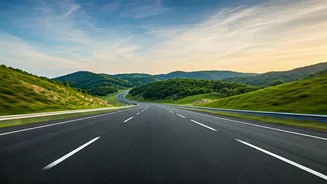
India's recent infrastructure boom has been a game-changer. High-speed, access-controlled roads like the Delhi-Mumbai Expressway, Bengaluru-Chennai Expressway, and Delhi-Dehradun Expressway are drastically cutting down travel times. A journey that once took 6-7 hours, like Delhi to Dehradun, can now be completed in a mere 2.5 hours. Similarly, the Delhi-Mumbai travel time is set to be halved from 24 to 12 hours. These are not just roads; they are economic and social corridors that make previously distant locations feel like they are just next door. This improved connectivity is the single biggest factor reshaping how travel is planned and executed.
The Weekend Getaway, Reimagined
The most significant impact of this new infrastructure is the revival of the spontaneous weekend trip. For groups in cities like Delhi or Mumbai, the idea of driving to Jaipur or the hills of Uttarakhand for just a Saturday and Sunday was once daunting. Now, it's a practical reality. With smoother, faster, and safer roads, the 'is it worth the drive?' question gets a resounding 'yes'. This has led to a boom in weekend tourism, as groups find it easier to coordinate a quick escape without needing to take time off work. Destinations that were once considered long-haul are now firmly on the weekend map, encouraging more frequent, shorter trips.
Beyond Just Speed: Comfort and Safety
While speed is the headline feature, the qualitative improvements are just as crucial for group travel. Expressways offer a far more comfortable and safer driving experience. Well-maintained, multi-lane roads reduce driver fatigue and the risk of accidents. For a group, this is a major selling point. It means less stress for the designated drivers and a more pleasant experience for passengers. Furthermore, these modern highways are equipped with amenities like clean rest stops, food courts, and emergency services, which simplifies planning and removes many of the uncertainties that made old highway journeys stressful, particularly when travelling with a diverse group of people.
How the Decision-Making Process Changes
Easier travel fundamentally alters group dynamics. The logistical hurdles that often caused friction—the long hours, the bumpy rides, the cost of an overnight halt mid-journey—are minimized. This shifts the group's focus from the 'how' to the 'where'. The destination options expand dramatically. A group might now consider a wider range of places, knowing the journey itself won't be a major ordeal. Carpooling also becomes a more attractive proposition. A comfortable, 4-hour drive in a single vehicle is far more appealing than a gruelling 8-hour one, encouraging more cost-effective and social travel arrangements. This ease of access promotes more trips and strengthens social bonds through shared, positive travel experiences.