



Beyond the Familiar Favourites
For decades, the perception of Indian dining, both at home and abroad, was often limited to a greatest-hits collection of North Indian staples. While classics like paneer tikka and dal makhani remain cherished comfort foods, they no longer define the entire
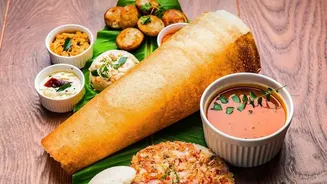
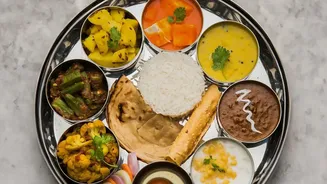
culinary narrative. A quiet revolution is reshaping menus across the country. Diners are now just as likely to seek out fiery Goan vindaloo, delicate Himalayan momos, or complex Bihari mutton as they are to order a familiar curry. This shift isn't about replacing the old but expanding the definition of what Indian food can be, creating a more nuanced and exciting dining experience for an increasingly curious audience.
The Inward-Looking Renaissance
Paradoxically, one of the biggest drivers of diversity is a journey inward. Chefs and home cooks alike are championing a return to regional roots, unearthing forgotten recipes and celebrating ingredients unique to specific landscapes. There's a renewed pride in hyper-local traditions, from the mountain cuisines of Uttarakhand to the coastal delicacies of Kerala and the distinct flavours of the Northeast. This movement prioritises provenance, celebrating heirloom grains, indigenous millets, and seasonal produce sourced from local farmers. The story behind a dish—its history, its community, its ingredients—has become as important as the flavour itself, turning meals into a celebration of heritage.
A Dialogue with Global Kitchens
At the same time, Indian cuisine is engaged in a vibrant conversation with the rest of the world. This isn't the forced fusion of 'chicken tikka pizza' from years past. Instead, it’s a more thoughtful integration of techniques and philosophies. Modern chefs are employing French-inspired plating, Japanese precision, and European methods like sous-vide to elevate traditional Indian ingredients. The simplicity and focus on clean flavours from Nordic cuisine can be seen in new presentations, while the global boom in Korean and other East Asian foods has found a receptive audience in India. This cross-pollination allows chefs to present familiar Indian profiles in entirely new and unexpected ways, creating dishes that feel both innovative and authentic.
The Confident Modern Chef
At the heart of this evolution is a new generation of Indian chefs who are cooking with unprecedented confidence. They are culinary storytellers, treating their kitchens as labs for research and creativity. Many have travelled extensively, documenting ancestral recipes from remote villages or training in Michelin-starred restaurants abroad. This dual perspective—deeply rooted in Indian tradition yet fluent in global techniques—allows them to innovate without losing soul. Chefs like Manish Mehrotra, Garima Arora, and Sujan Sarkar have been instrumental in showing that Indian food can be contemporary and refined without apologising for its bold, complex flavours. They have moved the conversation from 'ethnic food' to world-class gastronomy.
An Evolving National Palate
This culinary renaissance wouldn't be possible without an audience ready to embrace it. The Indian diner's palate has evolved, driven by increased global travel, internet exposure, and a growing middle class with the curiosity and income to experiment. There's a clear appetite for novelty, with diners actively seeking out regional specialties and new dining concepts. This demand for authenticity and new experiences is pushing restaurants to be more creative and honest. The rise of plant-based eating globally has also put a spotlight on India's already sophisticated vegetarian traditions, making them a source of global inspiration. Consumers are no longer just seeking a meal, but a memorable and story-rich experience.