



Why Car Prices Are on the Rise
Multiple car manufacturers have pointed to a familiar set of challenges forcing their hand. The primary reason cited is the consistent increase in input and commodity costs. Raw materials essential for car manufacturing, such as steel and aluminium, have become
more expensive. Compounded by higher operational expenses, inflationary pressures, and ongoing global macroeconomic uncertainties, companies state they can no longer absorb the full impact of these rising costs. While they claim to be absorbing a significant portion of the increase, a part of the burden is now being passed on to customers. This isn't a one-off event; for some brands, this is the second or even third price revision in 2026, reflecting the sustained cost pressures on the industry.
Which Brands Are Increasing Prices?
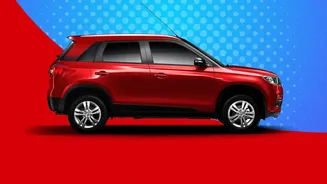
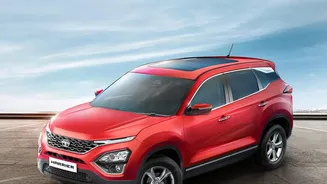
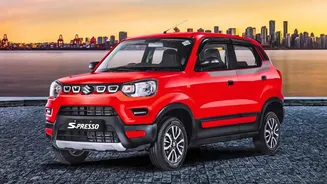
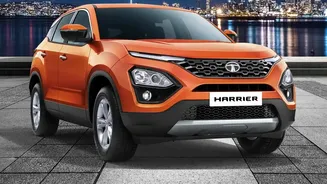
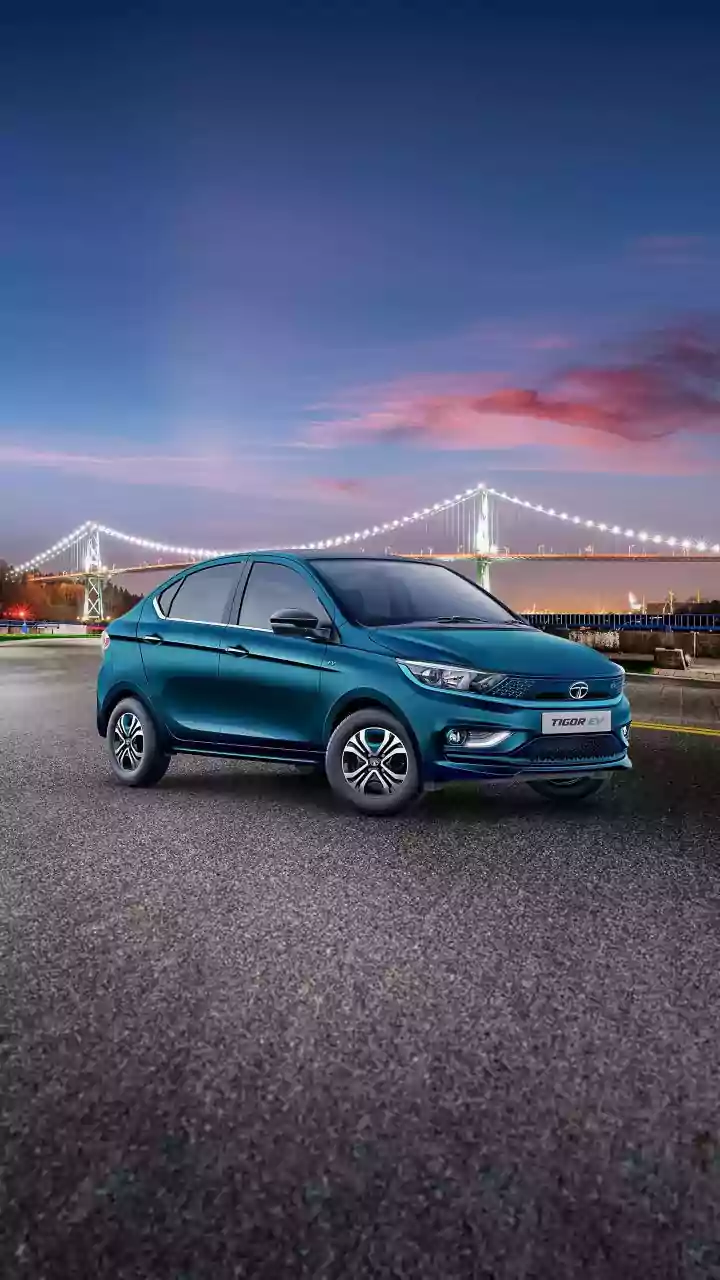
As of late August, two major players have confirmed upward revisions for September. Tata Motors announced an increase of up to ₹25,000 across its entire passenger vehicle portfolio, which includes both its internal combustion engine (ICE) and popular electric vehicle (EV) models like the Nexon EV and Tiago EV. The exact amount will differ based on the specific model and variant. Similarly, Hyundai Motor India has declared a price hike of up to 1% across all its models, effective September 1. This will affect popular cars such as the Creta, Venue, and Grand i10 Nios. This follows a price hike by Maruti Suzuki, which raised prices by up to ₹30,000 in August, signaling a wider industry trend. More manufacturers are expected to follow suit ahead of the festive season.
Step 1: Finalise Your Choice and Budget Now
With a clear deadline of September 1, the first step is to accelerate your decision-making process. If you have been contemplating a purchase, now is the time to finalise the model, variant, and colour. Use the remaining days of August to take test drives, compare features, and lock in your choice. Alongside this, get a firm grip on your finances. A 1% increase on a ₹10 lakh car translates to an extra ₹10,000, while a ₹25,000 hike is a substantial amount that could otherwise be used for accessories or insurance. Knowing your maximum budget will help you determine if you can comfortably absorb the new price or if you need to act before the month ends.
Step 2: Book Your Vehicle Before the Deadline
The most direct way to avoid the price hike is to purchase your new car before the end of August. However, simply booking the car may not be enough. It is crucial to check the dealership’s policy on price protection. Some dealerships or manufacturers may honour the pre-hike price if the vehicle is booked before the effective date, regardless of the delivery timeline. Others will apply the price that is valid at the time of invoicing and delivery. Ask the sales executive for a clear confirmation, preferably in writing, on whether your booking guarantees price protection. This single conversation could save you thousands.
Step 3: Hunt for August Discounts and Offers
A looming price hike can create a unique opportunity for buyers. Dealerships are often keen to clear their existing inventory before the new prices and updated stock arrive. This can lead to attractive discounts and offers throughout August. Don't hesitate to negotiate. Enquire about benefits like cash discounts, free accessories, extended warranties, or complimentary insurance packages. These deals could potentially offset a large portion, or even all, of the impending price increase. The end of the month is an especially good time to bargain, as sales teams are looking to meet their monthly targets.
Step 4: Consider Certified Pre-Owned Alternatives
If the new prices stretch your budget too far, or if you're looking for better value, the certified pre-owned (CPO) market is a compelling alternative. CPO vehicles offered by major brands are thoroughly inspected, refurbished, and come with a manufacturer-backed warranty. You can often get a higher-segment model that is only a year or two old for the price of a brand-new lower-segment car. As new car prices rise, the value proposition of nearly-new, well-maintained used cars becomes even stronger, allowing you to bypass the immediate price shock while still getting a reliable vehicle.