
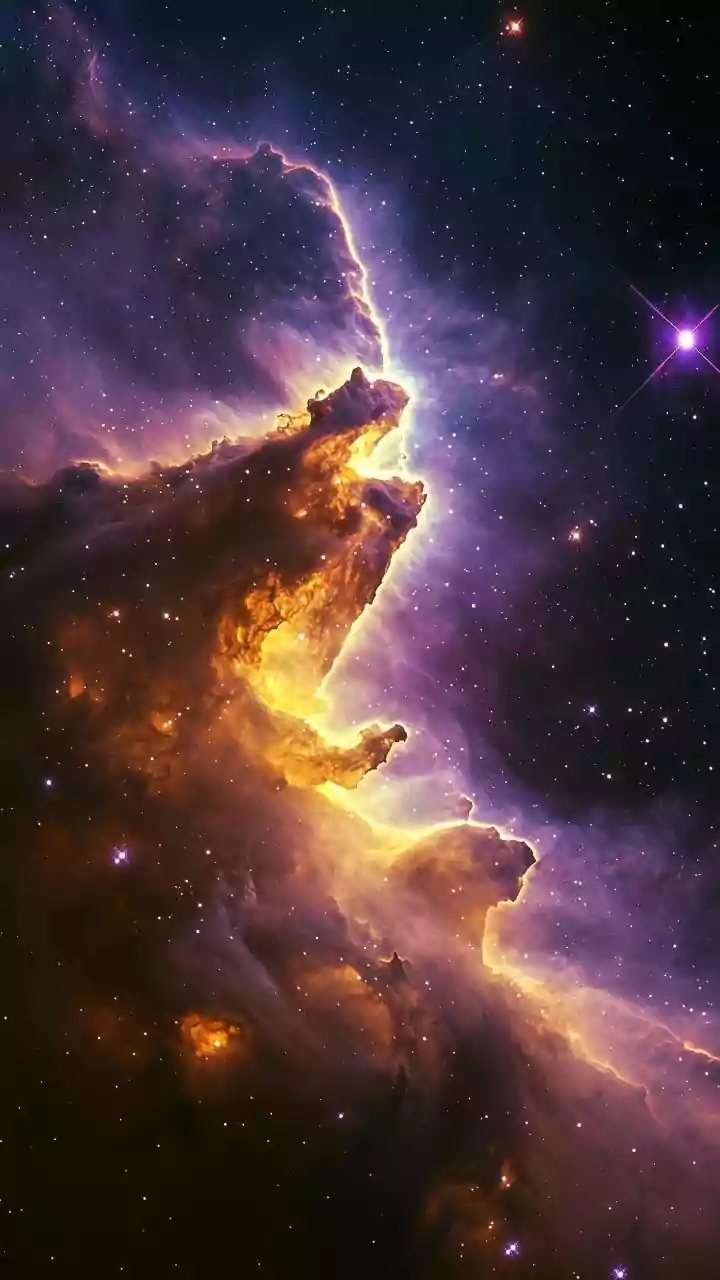
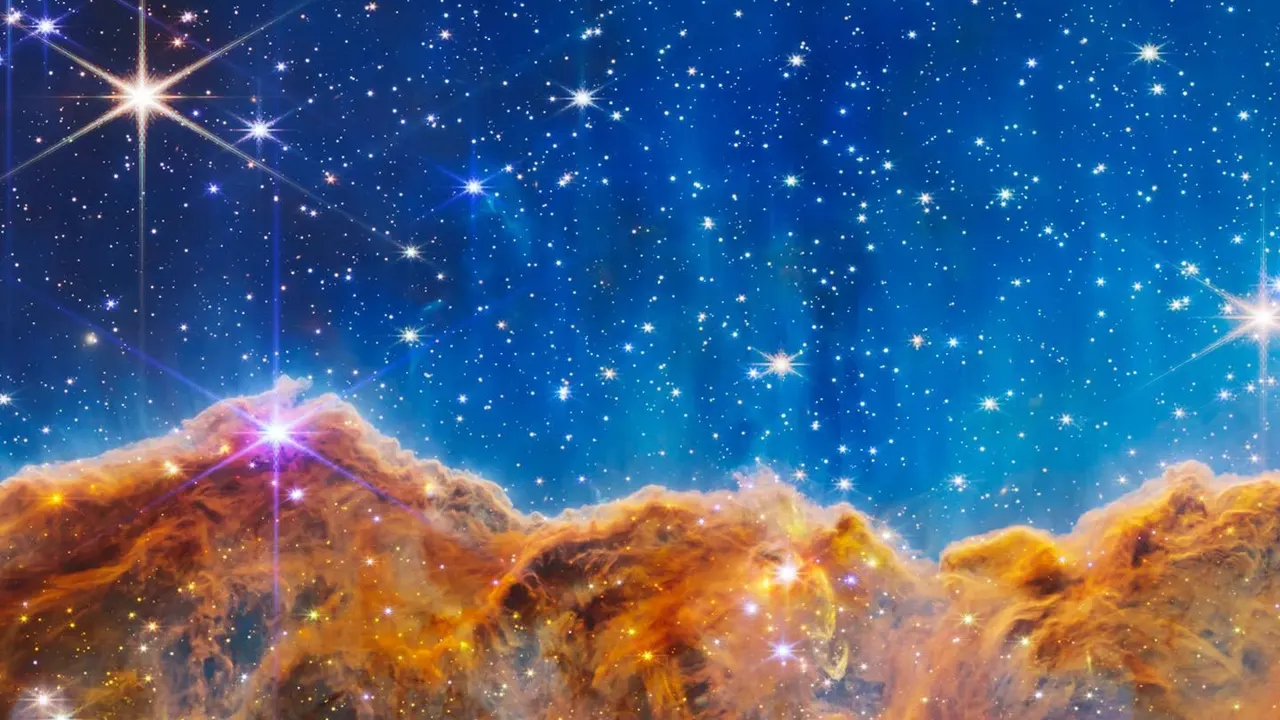
A New Window on the Cosmic Nursery
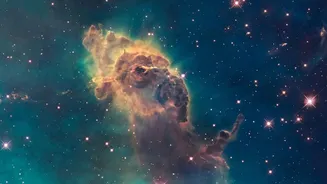
For centuries, the very beginning of a star’s life was shrouded in mystery, hidden behind thick veils of gas and dust. Telescopes that see in visible light, like the Hubble Space Telescope, were effectively blind to these cosmic nurseries. But the James
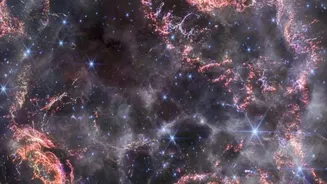
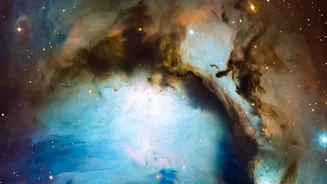
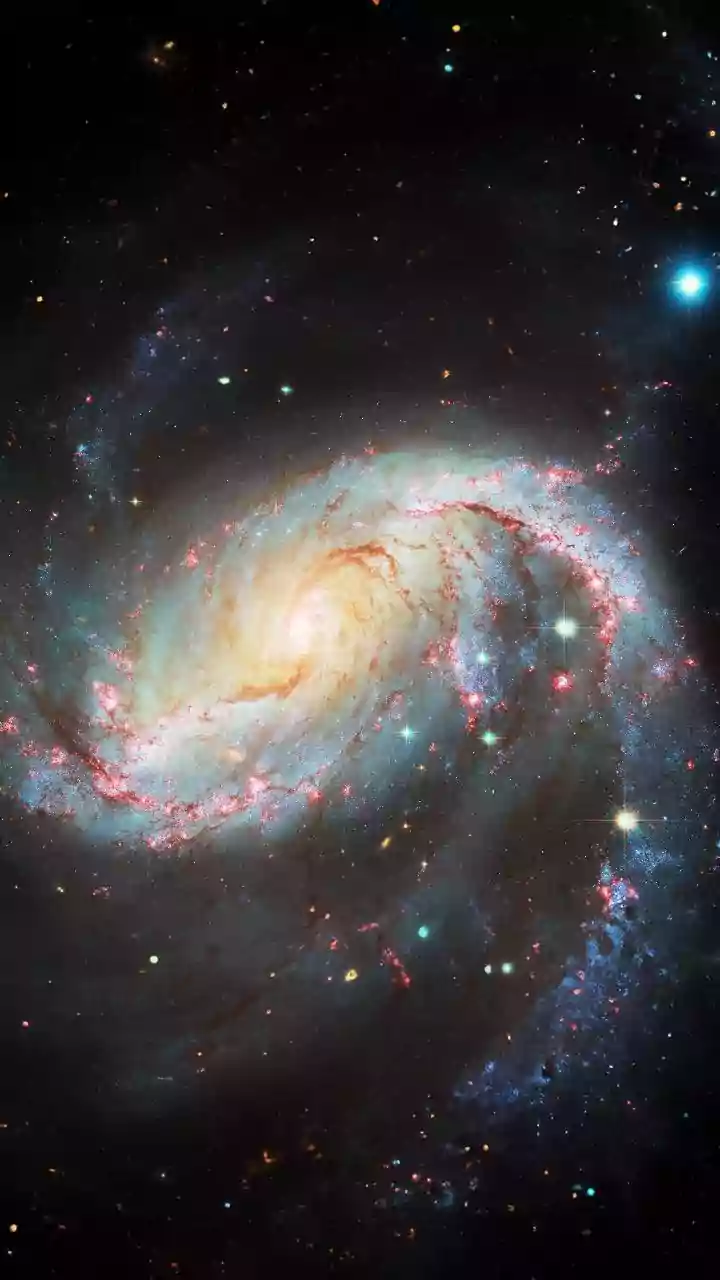
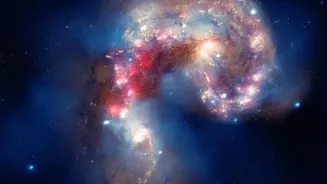
Webb Space Telescope (JWST) was designed specifically to part this curtain. By observing in infrared light, which has longer wavelengths that can slip past tiny dust particles, JWST is revealing what was once invisible. Recent observations of galaxies like Arp 263 showcase this power perfectly. Where Hubble saw patchy, irregular clumps, Webb’s high-definition infrared view resolves these areas into brilliant star-forming regions, offering an unprecedented look at how galactic collisions can trigger new generations of stars. It’s like having a new sense, allowing astronomers to see the glowing embers of creation that were previously hidden in the smoke.
Rewriting the Story of Star Formation
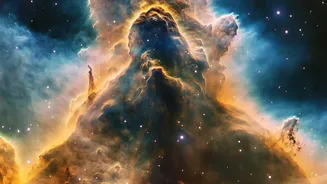
These new views are more than just pretty pictures; they are rewriting the textbooks on how stars grow up. A key part of a young star's development involves powerful jets of gas and energy that shoot out from its poles. These jets are crucial because they carry away excess angular momentum, allowing more material from the surrounding disk of gas and dust to fall onto the growing protostar. Without this process, a star’s growth would stall. For decades, the exact mechanisms were theoretical, but JWST is now imaging these outflows with stunning clarity. Observations of young star systems show these shimmering ejections in incredible detail, revealing complex structures that hint at how these infant stars are shaping their own environments from the very beginning. Scientists can now directly study these phenomena, moving from models to direct observation and gaining a much clearer understanding of this fundamental cosmic process.
The Technology Behind the Vision
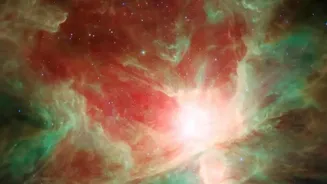
This revolutionary science is made possible by a suite of incredibly advanced instruments. The telescope's primary mirror, a massive 6.5-meter gold-coated structure, collects faint infrared light from the most distant corners of the universe. This light is then directed to instruments like the Near-Infrared Camera (NIRCam) and the Mid-Infrared Instrument (MIRI). NIRCam is the workhorse for peering through obscuring dust to see the young stars themselves. Meanwhile, MIRI is sensitive to longer infrared wavelengths, which are perfect for seeing the glow of the dust itself and the complex organic molecules within these stellar nurseries. By combining data from these instruments, astronomers can create a complete picture: not just where the stars are, but also what the ingredients are in the cosmic soup from which they are forming, including water ice and other building blocks for planets.
More Than Just Pretty Pictures
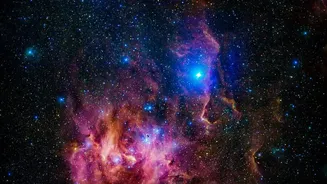
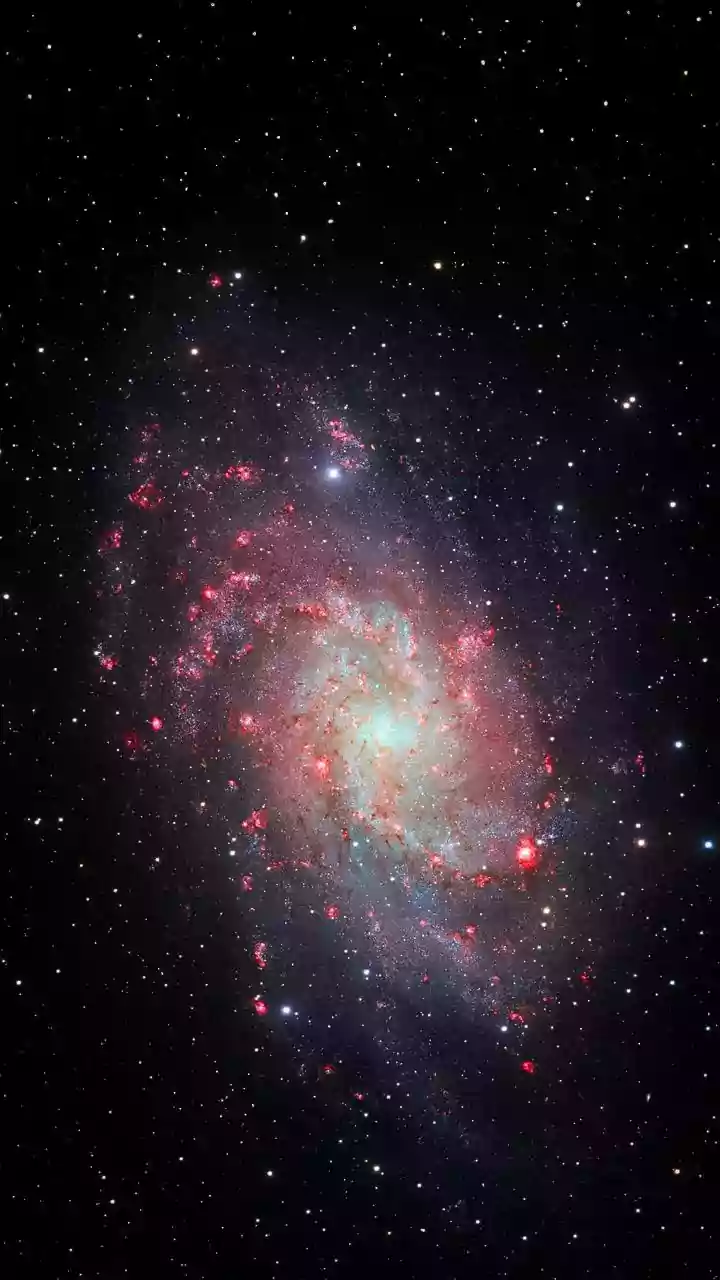
Each new dataset from JWST seems to answer old questions while raising exciting new ones. For example, recent studies of thousands of young star clusters have shown that the most massive clusters actually clear away their natal gas clouds faster than smaller ones. This timing is crucial, as it dictates how much radiation escapes to influence the wider galaxy. These insights help astronomers refine their models of how entire galaxies evolve over billions of years. Other observations have revealed the chaotic and beautiful aftermath of galactic mergers, showing how the destructive force of a collision can simultaneously trigger brilliant bursts of creation. In regions like the Sagittarius B2 cloud, our galaxy's most active stellar nursery, Webb has uncovered previously hidden stars, suggesting these regions are even more productive than once believed.