



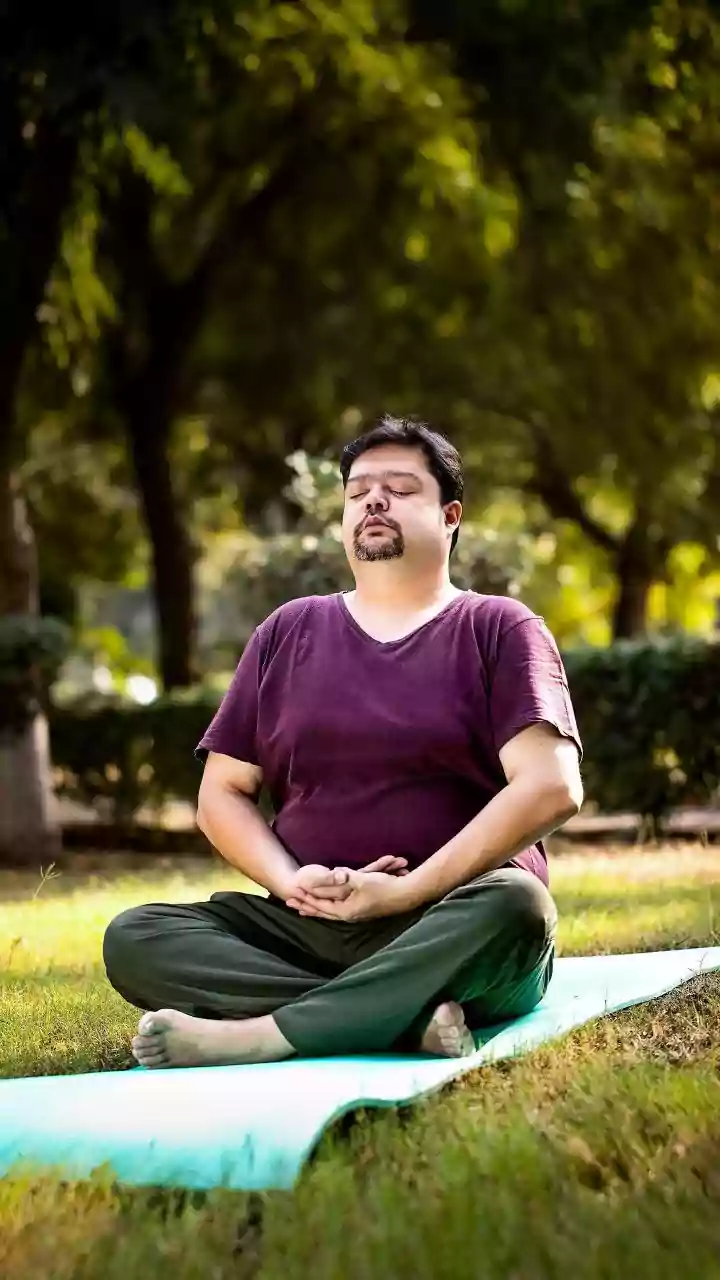



What Exactly Is Breath Awareness?
At its core, breath awareness is the simple act of paying attention to your breathing without trying to change it. It's not about forcing deep, dramatic breaths or achieving a state of perfect calm. Instead, it’s about observation. Think of it as anchoring
your attention to something your body is already doing naturally. The breath is a constant, reliable presence, happening right here in the present moment. By tuning into it, you are simply noticing the physical sensations: the feeling of air at the nostrils, the rise and fall of your chest or belly, the temperature of the inhale versus the exhale. This practice is the foundation of many mindfulness techniques but is powerful all on its own.
Why Practice Without Promises?
Many people start a mindfulness practice hoping to eliminate anxiety or stress. While research shows practices like mindful breathing can reduce symptoms of anxiety and depression, tying your practice to a specific outcome can create pressure. If you sit down expecting to feel instantly calm and instead find your mind racing, you might feel like you're failing. This turns a gentle practice into another task to succeed at. The goal of meditation is not to have a goal. By detaching from expectations, you allow yourself to simply be with whatever is happening in the moment—whether it's calm, restlessness, or a wandering mind. The real benefit comes from the consistent, gentle act of returning your attention to the breath, not from achieving a perfect state of peace.
A Simple Practice to Get Started
You don't need a special cushion or an hour of free time. You can do this right now, wherever you are. 1. Find a comfortable position, either sitting in a chair with your feet on the floor or lying down. 2. Gently close your eyes or soften your gaze toward the floor. 3. Bring your attention to your breath. Don't try to control it; just notice its natural rhythm. 4. Pick a spot where you feel the breath most clearly. This could be the coolness of the air at your nostrils, the expansion of your chest, or the rise and fall of your abdomen. Rest your focus there. 5. Your mind will wander. This is completely normal and expected. When you notice your thoughts have drifted, gently and without judgment, guide your attention back to the sensation of breathing. Every time you return your focus, you are strengthening your awareness. Start with just three to five minutes. Consistency is more important than duration.
What You Might Notice
As you practice, you’ll start to notice subtle details. You might observe that one breath is long and the next is short. You may feel the brief pause between your inhale and exhale. You might become aware of tension in your jaw or shoulders. The purpose isn't to analyze these things, but simply to notice them with a sense of gentle curiosity. Some days the practice will feel easy and focused; on other days, your mind might feel like a busy highway. Both experiences are valid. The practice isn't about clearing your mind of thoughts but about changing your relationship to them, observing them without getting swept away.
Building on the Basics (Gently)
Once you're comfortable with simple observation, you can explore other gentle techniques. One is to silently count your breaths. As you exhale, count 'one,' on the next exhale, 'two,' and so on up to ten, then start again. This can give a restless mind a simple job to do. Another technique is to follow the entire path of the breath, from where it enters your nose, down into your lungs, and back out again. You can also try more active breathing patterns like 'box breathing'—inhaling for four counts, holding for four, exhaling for four, and holding for four. This rhythmic pattern can be steadying for the nervous system. The key is to explore with curiosity, not force, and always return to simple awareness as your home base.