





The Problem with Deep Pots
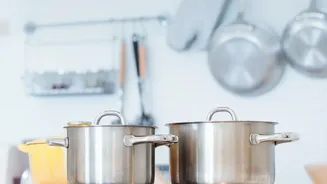
When you place a large, deep pot of hot food directly into the refrigerator, it creates a food safety hazard. While the outside of the pot and the surface of the food will cool down relatively quickly, the centre remains warm for a dangerously long time.
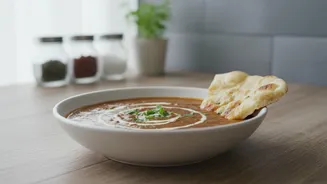
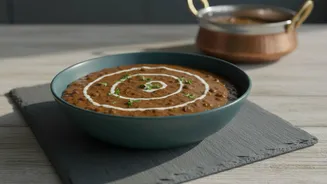
Refrigerators are designed to keep cold food cold, not to rapidly cool large, hot masses. Putting a big pot of hot dal or biryani inside can also raise the overall temperature of your fridge, potentially jeopardizing the safety of other foods like milk and vegetables. Improper cooling is one of the most common causes of foodborne illness, making this simple step a critical one.
Understanding the 'Temperature Danger Zone'
The core of the issue is what food safety experts call the 'temperature danger zone'. This is the temperature range between 5°C and 60°C, where bacteria can multiply rapidly. When a large volume of food cools slowly, its core temperature can linger in this danger zone for hours. Even if the food was cooked perfectly, surviving bacteria or spores can grow to unsafe levels, producing toxins that may not be destroyed even when you reheat the food later. The goal is to move food through this zone as quickly as possible, ideally within two hours of cooking.
The Simple Solution: Go Shallow
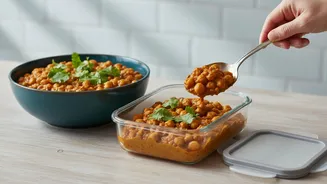
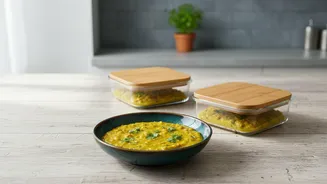
The safest and most effective way to cool leftovers is to divide them into several small, shallow containers before refrigerating. This dramatically increases the surface area of the food, allowing heat to escape much faster. Aim for a food depth of no more than two to three inches. For chunky items like a whole roast chicken or large pieces of meat, it’s best to cut them into smaller portions first. This simple habit ensures that all the food cools down to a safe refrigerator temperature of 4°C or below in a timely manner, preventing harmful bacterial growth.
Extra Tricks for Rapid Cooling
For very dense or liquid-heavy dishes like thick dals, sambar, or soups, you can accelerate the cooling process even before they go into shallow containers. One effective method is an ice bath. Place your pot in a clean sink filled with ice and water, and stir the food occasionally to help dissipate heat from the center. You can also use ice paddles—frozen, food-safe wands designed for this purpose. Another tip is to leave the lids slightly ajar on your shallow containers while they are cooling in the fridge to let steam escape, then seal them tightly once the food is completely cold. Using metal containers can also help, as they transfer heat more effectively than plastic.
Which Foods Need the Most Care?
While all leftovers should be handled with care, some are at a higher risk. Foods that are high in protein and moisture, such as meat, poultry, fish, eggs, and dairy products, are particularly susceptible to bacterial growth. Cooked starches like rice and pasta are also notorious for harbouring bacteria like Bacillus cereus if left at room temperature for too long. This makes proper cooling especially important for popular Indian dishes like biryani, kheer, and various meat or paneer curries. Leftovers can generally be stored safely in the refrigerator for three to four days.