





The Limits of a Pumping Solution
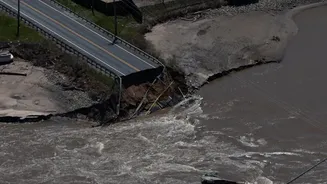
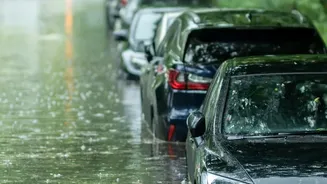
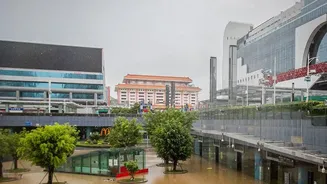
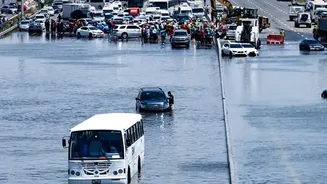
When streets turn into rivers, deploying high-capacity water pumps feels like a decisive, visible action. Pumps are crucial for emergency response, rapidly removing large volumes of water from critical areas like underpasses, basements, and power stations.
They are an essential tool in any city's flood management arsenal. However, relying on them as the primary solution is a strategy with diminishing returns. Pumps require constant power, a resource that is often compromised during severe storms. They are also expensive to maintain and operate. More fundamentally, pumps don't solve the problem of excess water; they just move it somewhere else. This often shifts the flooding to another, less-equipped neighbourhood or overwhelms the downstream water bodies that are already at capacity.
Thinking Like a Sponge, Not a Sump
A more forward-thinking approach is gaining traction globally: turning our concrete jungles into "sponge cities." First conceptualised in China, the idea is to design urban spaces that absorb, clean, and store rainwater, mimicking natural processes. Instead of seeing rainfall as a nuisance to be expelled as quickly as possible through concrete channels, this model views it as a resource to be managed. This involves a suite of techniques known as Sustainable Urban Drainage Systems, or SuDS. The philosophy is simple: slow the water down, let it spread out, and allow it to soak into the ground. This recharges groundwater, reduces the strain on drainage networks, and lowers the risk of flash floods. The Indian government has also begun to recognise this, with recent policies under missions like AMRUT 2.0 emphasising nature-based solutions and the rejuvenation of water bodies alongside conventional drain construction.
What 'Better Drains' Actually Look Like
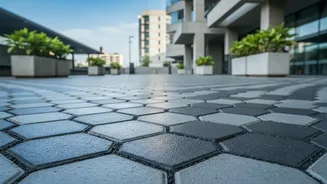
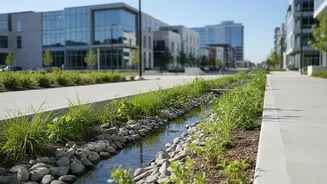
So, what do these next-generation drainage systems involve? They are a network of green and grey infrastructure working in concert. This includes replacing impermeable concrete and asphalt with permeable pavements that allow water to seep through into the soil below. It means creating bioswales—shallow, vegetated channels—along roadsides to slow and filter runoff. Other key elements include building green roofs, developing more parks and wetlands to act as natural retention ponds, and restoring the lakes and streams that were encroached upon during rapid urbanisation. Each element helps reduce the volume and speed of stormwater reaching the piped drainage system, providing multiple benefits like improved water quality, greener public spaces, and even a reduction in the urban heat island effect.
The Challenge of the Urban Overhaul
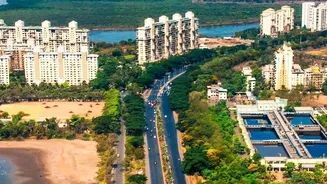
The vision of a sponge city is compelling, but the implementation is a monumental task. For densely packed Indian cities, retrofitting existing infrastructure presents significant challenges. Acquiring land for new green spaces or widening drainage channels is often stalled by encroachments and complex property rights issues. The cost is another major hurdle, although proponents argue it is the "best and cheapest way to adapt to climate change" in the long run. Government initiatives are underway, with significant funds allocated for improving drainage and water bodies in major hubs like Mumbai, Chennai, and Bengaluru. However, success will depend on moving beyond fragmented, project-by-project fixes. It requires integrated planning that connects streets, drains (nallahs), and wetlands into a cohesive network, a change that demands political will and community participation.