





Tired of paying high prices for tubs of almond or cashew butter? A delicious, affordable, and surprisingly easy-to-make alternative might already be in your local market: the humble chestnut. Here’s why this seasonal nut is your wallet’s best friend.
The Soaring Price of Nut Spreads
Walk down any modern grocery aisle in India, and you'll see a growing array of nut butters. From creamy almond to rich cashew, these spreads have become a pantry staple for many health-conscious families. However, their popularity comes with a hefty price tag. Most of these nuts are not native to India in large commercial quantities and are often imported. Factors like international shipping costs, import duties, and supply chain complexities mean you pay a premium for that jar of almond butter. This can make a daily habit quite expensive, pushing many to seek more budget-friendly, yet equally nutritious, options.
Enter the Underappreciated Chestnut
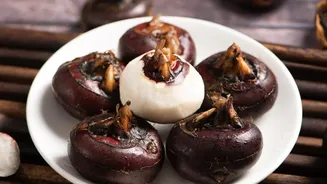
Often associated with winter and hilly regions, the sweet chestnut (Castanea sativa) is a fantastic local alternative. Cultivated in parts of the Himalayas, including Himachal Pradesh, Uttarakhand, and Kashmir, fresh chestnuts appear in markets during the autumn and early winter months, typically from October to December. Unlike most nuts that are high in fats and proteins, chestnuts have a unique nutritional profile. They are primarily rich in complex carbohydrates and are remarkably low in fat, making them nutritionally more similar to a whole grain like brown rice. They are also the only nuts to contain a significant amount of Vitamin C. Their flavour is mildly sweet and earthy, with a soft, starchy texture when cooked, making them a perfect candidate for a creamy butter.
How to Make Your Own Chestnut Butter
Making chestnut butter at home is surprisingly simple. All you need are fresh chestnuts, a little water, and a food processor or strong blender. Start by preparing the chestnuts. Preheat your oven to around 200-220°C. Using a sharp knife, carefully score an 'X' on the flat side of each chestnut. This crucial step allows steam to escape during roasting, preventing them from exploding and making them easier to peel. Roast the scored nuts for 25-35 minutes, until the shells begin to curl back and the nut inside is tender. Let them cool slightly until you can handle them, then peel away both the hard outer shell and the thin inner skin while they are still warm. Once peeled, place the chestnuts in a food processor. Blend them until they form a fine powder, then slowly add water, one tablespoon at a time, until you reach a smooth, paste-like consistency. For extra flavour, you can add a pinch of salt or a touch of honey, but their natural sweetness is often enough.
Taste, Nutrition, and Cost Compared
Compared to almond butter, chestnut butter is a completely different experience. It's less fatty and has a lighter, sweeter taste. While almond butter is prized for its high protein and healthy fats, chestnut butter shines for being low in calories and fat. An ounce of peeled chestnuts contains around 60-70 calories, whereas the same amount of almonds has over 160. While almonds offer more protein, calcium, and iron, chestnuts provide more Vitamin C and Vitamin B6. Cost is where chestnuts truly win. While premium almonds can retail for ₹1,200-1,350 per kilogram, fresh seasonal chestnuts can be found for significantly less, with prices on online platforms and local markets ranging from around ₹500 to ₹800 per kilogram, though prices vary by quality and region. This makes homemade chestnut butter a far more economical choice.
More Than Just a Spread
Don't just limit your homemade chestnut butter to toast. Its unique flavour and creamy texture make it incredibly versatile. You can spread it on crepes or rotis, mix it into your morning porridge or oatmeal for a festive twist, or use it as a filling for cookies and cakes. It pairs beautifully on a cheese platter, especially with goat cheese. You can even thin it out with a bit of stock or water to create a savory sauce for chicken or roasted vegetables. Given its subtly sweet profile, it can also be blended into frostings or homemade ice cream for a unique dessert.