



More Than Just a Dish
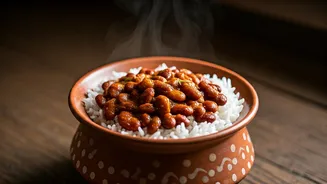
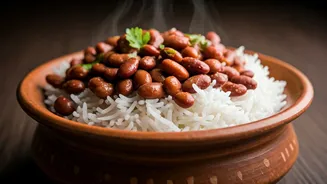
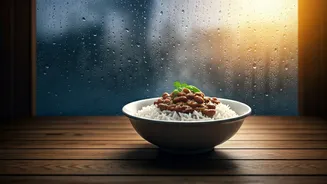
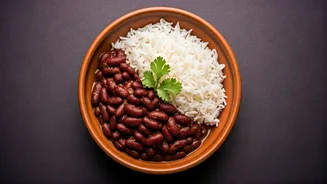
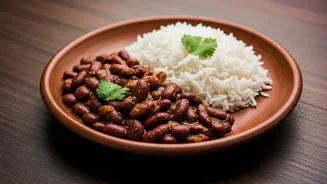
Ask any North Indian what their ultimate comfort food is, and the answer will likely be a resounding 'rajma chawal'. This humble combination of kidney beans in a thick, spiced gravy served with steamed rice transcends its ingredients. It’s the food you
crave on a rainy day, the meal that cures a bout of homesickness, and the default choice when you can't decide what to eat. It represents a culinary security blanket, a taste of childhood that remains consistent from student hostels to corporate canteens. Its power lies not just in its flavour but in its ability to soothe the soul. In a country with an incredibly diverse and complex culinary map, rajma chawal has achieved a rare, near-universal status as a dish that simply feels right.
The Sunday Ritual
For countless families, particularly in Punjab, Delhi, and surrounding states, Sunday lunch is synonymous with rajma chawal. The ritual often begins on Saturday night, with the kidney beans being soaked. On Sunday morning, the air fills with the rhythmic whistle of the pressure cooker and the fragrant aroma of onions, garlic, ginger, and tomatoes being sautéed into a rich masala. The slow cooking process means it’s not a dish for a hurried weekday dinner. It’s a meal that demands time, patience, and presence—the very essence of a relaxed weekend. This tradition has cemented its place in our collective memory, linking the dish inextricably with family, leisure, and the simple joy of a shared meal where conversations flow as freely as the gravy.
A Foreign Bean, A Desi Soul
Here’s a fact that surprises many: rajma, or the kidney bean, is not native to India. It's a new-world crop, originating in Mexico and Peru, brought to Europe by Spanish explorers and eventually to India through trade routes. While the bean itself is an import, its soul is entirely desi. Indian culinary genius took this foreign ingredient and transformed it completely. By simmering it in a robust gravy packed with spices like coriander, cumin, turmeric, and garam masala, we made it our own. The story of rajma is a perfect example of India’s incredible ability to adopt, adapt, and integrate foreign elements into its cultural fabric, creating something uniquely and deliciously Indian in the process.
The Perfect Partnership
Rajma and chawal are a culinary match made in heaven. The texture and flavour profile of each component perfectly complements the other. The soft, fluffy grains of basmati rice provide the ideal canvas for the thick, creamy, and deeply flavourful rajma curry. The rice absorbs the gravy, ensuring that every spoonful is a perfect bite. But the experience isn't complete without the supporting cast. A side of crisp, raw onions (preferably pickled with a bit of lemon juice and salt), a tangy mango pickle, a crunchy papad, and a dollop of cool, plain curd create a symphony of textures and tastes. This combination elevates the simple meal into a full-fledged feast that hits every note: spicy, tangy, creamy, and savoury.
A Nationwide Phenomenon
While its heartland is North India, the love for rajma chawal has spilled over across the entire country. It's a dependable and beloved staple on the menus of dhabas on national highways, in university canteens nourishing the next generation, and in upscale restaurants offering a gourmet take on the classic. Tiffin services in Mumbai, Bengaluru, and Pune list it as a weekly special, guaranteeing a spike in orders. Its appeal lies in its simple, hearty, and satisfying nature. It’s a vegetarian protein powerhouse that is both affordable and incredibly delicious, making it a democratic dish loved by people from all walks of life.