







The Shocking Evidence
The danger is not merely anecdotal; the statistics are grim. According to the National Crime Records Bureau (NCRB), India witnesses thousands of electrocution deaths annually, with a significant spike during the monsoon season. In 2021 alone, over 12,500
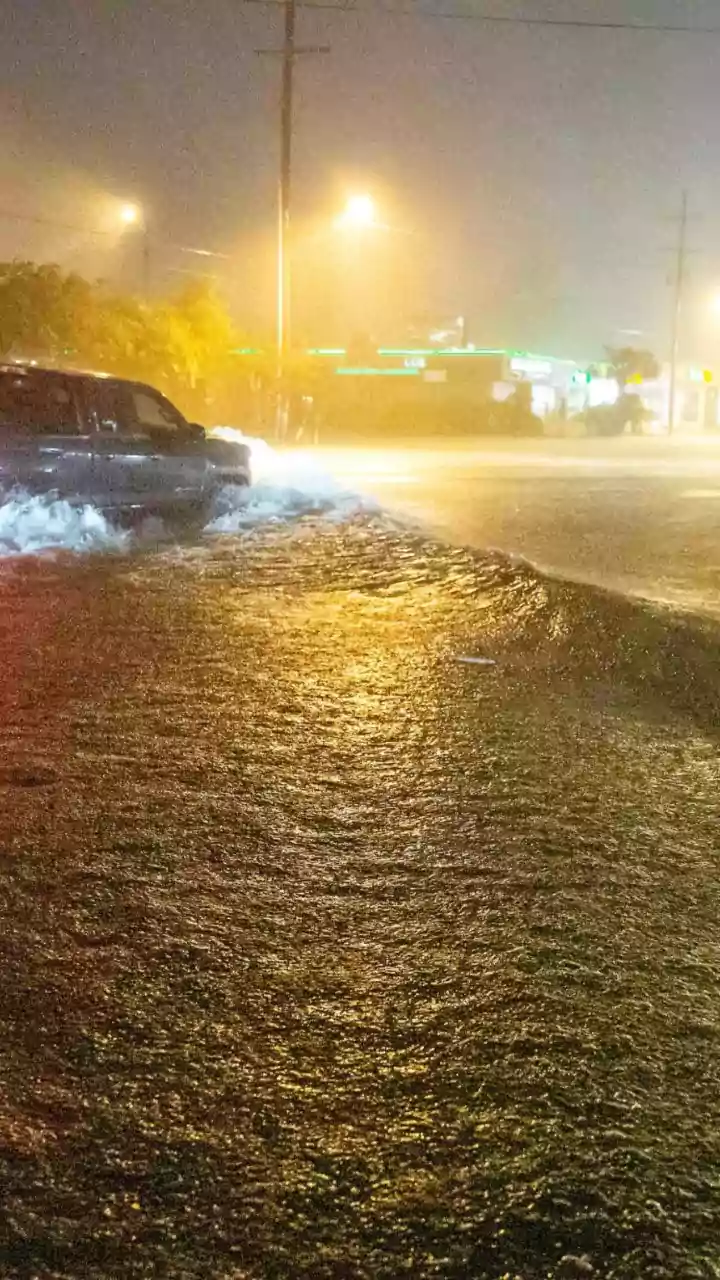
deaths were attributed to electrocution, averaging 34 fatalities per day. States like Maharashtra have recorded over 6,700 such deaths in a five-year span. Tragic incidents become yearly markers of the season: a student electrocuted in Mumbai from a faulty ladder near rainwater, or a UPSC aspirant in Delhi who came into contact with a live wire after a brief spell of rain. The science is simple and terrifying. The contaminated, mineral-heavy water that floods Indian streets is an excellent conductor of electricity. When it comes into contact with ageing infrastructure—exposed underground cables, tilted electric poles, submerged transformers, or corroded streetlight wiring—the entire waterlogged area can become electrified. A person doesn't need to touch a wire to be killed; simply wading through the wrong stretch of water can complete a fatal circuit.
The Opportunity for Safety
Preventing these deaths is possible, and the opportunities lie in a mix of technological upgrades and systemic changes. A primary solution is the widespread replacement of overhead power lines with underground cabling, which dramatically reduces exposure to the elements. For existing overhead lines, using insulated or covered conductors can prevent accidental contact. On a more localized level, the installation of safety devices like Earth Leakage Circuit Breakers (ELCBs) and Residual Current Circuit Breakers (RCCBs) is crucial. These devices are designed to instantly cut off power supply if they detect a fault or a current leakage—for instance, if a person accidentally touches a live component—thereby preventing a fatal shock. Power distribution companies (Discoms) also have a role to play, with some undertaking pre-monsoon inspections to identify and rectify hazards like leaning poles or dangling wires. Proactively shutting down power in severely waterlogged areas is another critical, life-saving measure that is often deployed.
The Limits of Prevention
While solutions exist, the limits to their implementation are stark, particularly in the Indian context. The primary obstacle is the sheer scale and cost of overhauling the electrical infrastructure of entire cities. Upgrading ageing grids and moving cables underground is a multi-billion dollar project that is logistically and financially daunting for most municipalities. The problem is compounded by the political and social realities of urban India. Illegal connections and power theft often result in unsafe, makeshift wiring that bypasses safety mechanisms. Unplanned construction and encroachments frequently damage underground cables or destabilise electrical poles, creating new hazards. Furthermore, there is often a lack of coordination between the multiple civic bodies responsible for roads, drainage, and electricity, leading to a fragmented and ineffective approach to safety. Even when infrastructure is sound, public awareness remains a significant challenge. Many people are simply unaware of the invisible danger, or the risk is normalised as part of monsoon life.