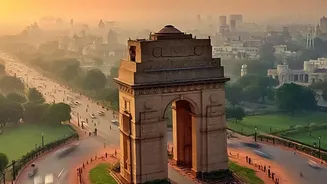




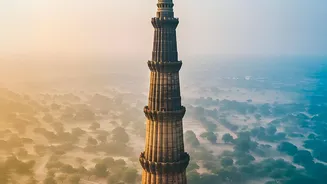


For millions in Delhi, the day no longer begins by looking at the weather, but by checking the Air Quality Index. The city's chronic pollution has woven itself into the fabric of daily life, creating a new normal of constant vigilance and precaution.
A Season of Haze and Hazard
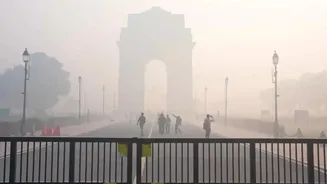
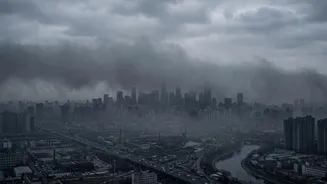
Every year, as winter approaches, a familiar toxic haze descends upon Delhi. On November 12, 2026, the city's air quality was recorded in the 'very poor' to 'severe' category, with the overall Air Quality Index (AQI) hovering well above 300 and even crossing 400 in several areas. These numbers, driven by factors including post-Diwali emissions, stubble burning in neighbouring states, and unfavourable weather conditions, represent a serious public health crisis. The air is thick with PM2.5—fine particulate matter so small it can penetrate deep into the lungs and enter the bloodstream, causing a host of respiratory and cardiovascular problems. This isn't a rare occurrence; it's an annual ordeal that has forced residents to fundamentally alter their behaviour.
The New Morning Routine
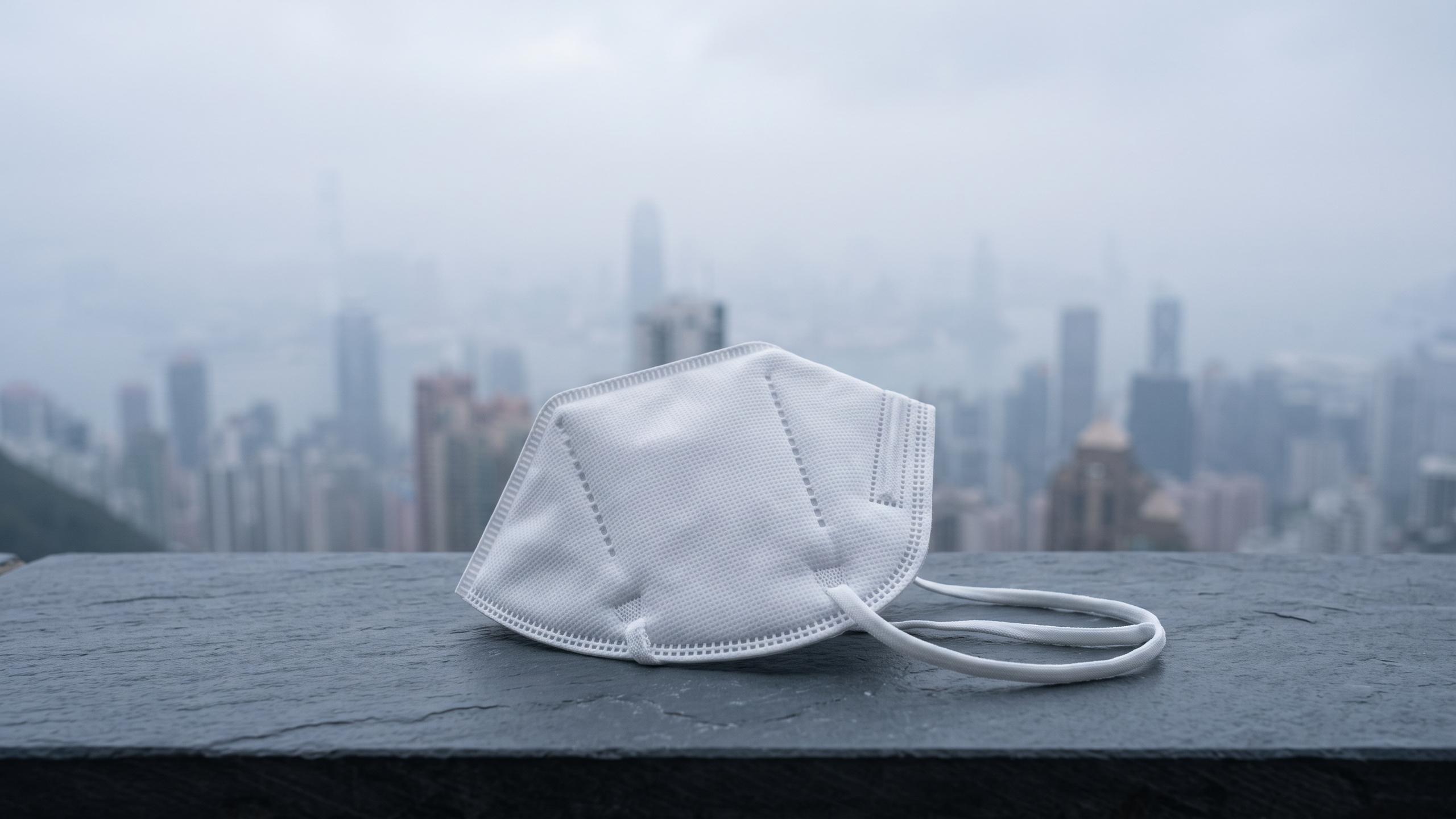
The first decision of the day for many Delhiites is dictated by an app. Before planning a morning walk, run, or even the school drop-off, families check AQI levels on their phones. If the reading is 'severe', outdoor exercise is off the table, replaced by indoor yoga or workouts. Commuting choices are re-evaluated; a ride in an air-conditioned metro car is often preferred over an auto-rickshaw. For those driving, car windows remain firmly shut with the air conditioning set to recirculation mode to minimise exposure to the toxic air outside. The simple act of stepping out requires a new arsenal: N95 or N99 masks, which filter fine particulates, have become as essential as keys and wallets.
Fortifying the Home
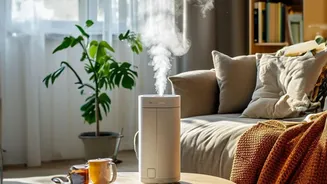
There is a growing recognition that indoor air can be just as polluted as the air outside. As a result, a significant part of the adaptation strategy involves creating a 'clean air bubble' at home. The market for air purifiers with HEPA filters has boomed, with many families now owning multiple units—one for the living room and one for each bedroom. Doors and windows are sealed to prevent polluted air from seeping in. Some residents cultivate indoor plants like snake plants and peace lilies, known for their air-purifying properties, in an effort to create a healthier indoor environment. For many, one room is designated as the 'safe room', equipped with the best purifier, where vulnerable family members like children and the elderly spend most of their time.
Health Vigilance as the Norm
Living in Delhi means being constantly attuned to your body's response to the environment. A persistent cough, an itchy throat, or burning eyes are no longer just minor annoyances but potential signs of pollution-related distress. This has led to a state of heightened health anxiety, especially for parents. Children are particularly vulnerable, with doctors noting increased incidences of asthma, reduced lung function, and other respiratory infections. Upon returning from school, a new hygiene ritual is common: children are asked to wash their hands and face immediately and change out of their school uniforms to remove any pollutants that may have settled on them.
A Curtailed Social and Public Life
The impact of air pollution extends beyond individual health and routines, affecting the city's social fabric. Outdoor gatherings, picnics in the park, and street food excursions are often cancelled or postponed based on AQI forecasts. Authorities have even instructed schools to halt outdoor sporting activities during the peak pollution months of November and December. Workplaces encourage work-from home policies to reduce employee exposure during commutes. This adaptation, while necessary for survival, comes at a cost, limiting community engagement and the simple joys of city life. What was once taken for granted—a spontaneous game of cricket or a leisurely stroll—is now a calculated risk.