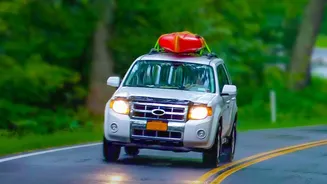

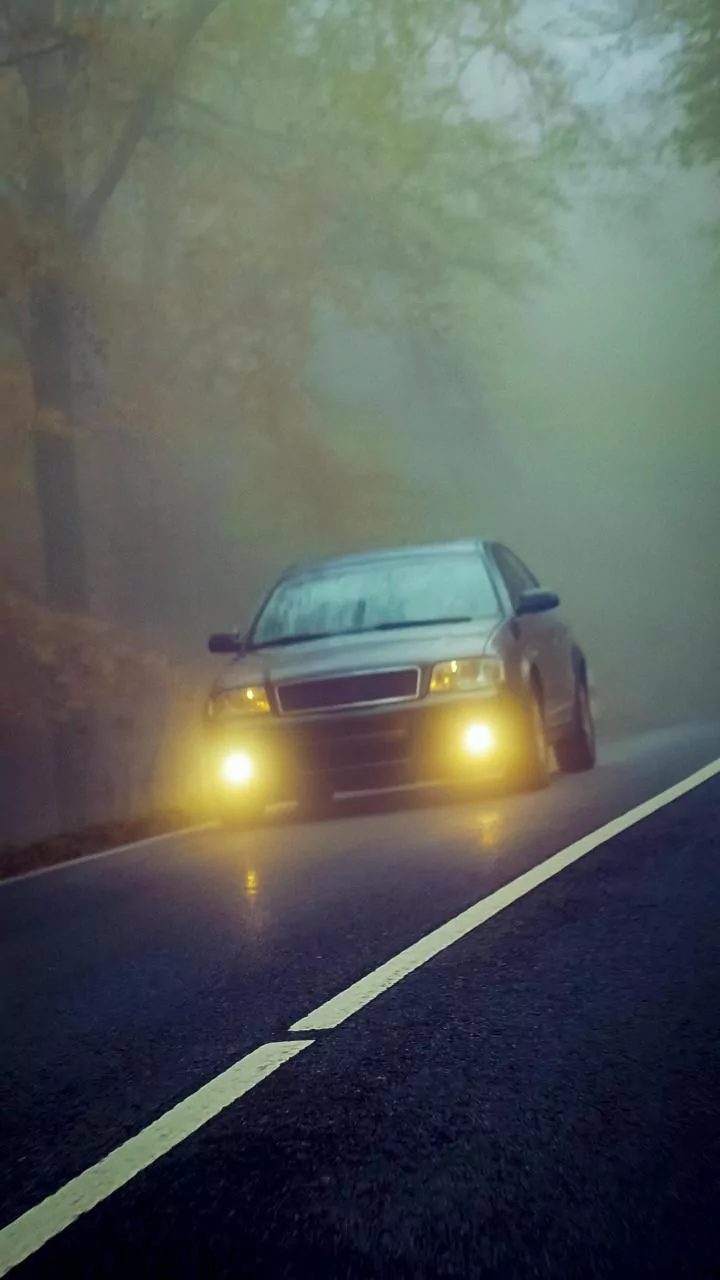





The Pre-Trip Intelligence Check
The first decision is made before you even grab your keys. A few minutes of planning can save hours of trouble. Start by checking the latest weather forecasts from reliable sources like the India Meteorological Department (IMD). Modern mapping apps often
provide real-time traffic data and alerts for road closures or waterlogging. Local news channels and social media groups can also offer current insights into which areas are most affected. Before you leave, ensure your phone is fully charged and you have essential emergency numbers saved. This initial check helps you understand the larger weather pattern and avoid routes that are already known to be compromised.
Is Your Vehicle Truly Ready?
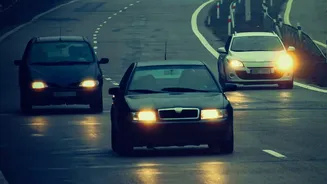
A risky route becomes far more dangerous in a poorly maintained vehicle. Your car's condition is a critical factor in the decision-making process. Tyres are your only point of contact with slippery roads; ensure they have adequate tread depth to prevent hydroplaning. Your brakes are equally crucial, as stopping distances can double on wet surfaces. Finally, check your essentials for visibility: headlights, taillights, and especially your windscreen wipers. If your wipers are leaving streaks or your tyres are worn, your ability to navigate hazards is already compromised, making a marginal route impractical and unsafe.
Decoding Waterlogged Roads
Waterlogging is one of the most common and dangerous monsoon hazards. It's often impossible to tell how deep the water is or what lies beneath it. Hidden potholes, open manholes, and debris can cause severe damage or accidents. As a rule, if you cannot see the road markings, assume it is too deep to cross. A critical reference point is the kerb; if it's submerged, turn back. Another measure is the water level against your car's tyres. If water reaches the bottom of your car's body, you risk it entering the engine or exhaust. Just six inches of water can be enough for you to lose control, and a foot of water can float many vehicles. The safest choice is always to find an alternative route or wait for the water to recede. The famous slogan says it all: Turn Around, Don't Drown.
Reading the Signs on Highways and Hills
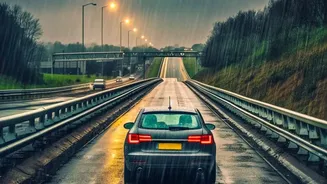
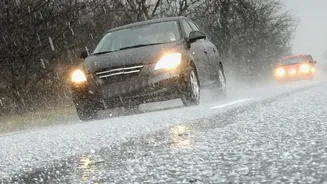
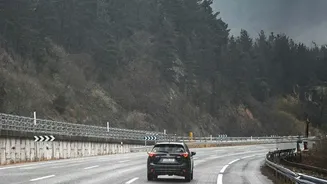
The risks change when you are on highways or in hilly areas. On highways, the primary danger is hydroplaning, which can occur at higher speeds when your tyres lose contact with the road. Reducing your speed significantly is the most important precaution. It’s also vital to increase the following distance between you and the vehicle ahead, giving you more time to react. In mountainous regions, the threat shifts to landslides and falling rocks. Pay close attention to weather alerts for these areas. Be wary of roads with steep, unstable slopes, especially after heavy rain. If you see a small trickle of mud or rocks, it could be a precursor to a larger slide. Local advice is invaluable here; if residents or authorities advise against a route, heed their warning. Driving after dark in such conditions should be avoided entirely due to severely limited visibility.
When the Answer Is 'No': Your Plan B
Deciding a route is impractical is not a failure; it's a success in risk management. Always have a Plan B. This could mean waiting for an hour or two in a safe place for the rain to subside and water levels to drop. Sometimes, it involves taking a longer, but safer, alternative route. In other cases, the most practical decision is to postpone or cancel the trip altogether. Driving slowly through a waterlogged area while revving your engine is a last resort and still carries significant risk of stalling your engine or causing expensive electrical damage. Ultimately, the pressure to reach a destination on time should never outweigh the risk to your life and property. A delay is always better than a disaster.