







The End of Extreme Measures
For years, the arrival of summer signalled a frantic rush towards quick-fix diets. Extreme calorie cutting, juice-only 'detoxes', and the complete avoidance of beloved foods like mangoes were commonplace. The goal was often purely aesthetic and driven
by punishing ideals. However, a significant cultural shift is underway. Nutritionists and wellness experts observe that more people are rejecting these unsustainable fads. The new focus isn't on rapid weight loss, but on holistic well-being: feeling energetic, staying hydrated, supporting gut health, and preventing common summer ailments like heatstroke and digestive issues. This 'sensible' approach is less about restriction and more about intelligent, mindful choices that align with what our bodies actually need during the hottest months of the year.
Hydration Beyond Just Water
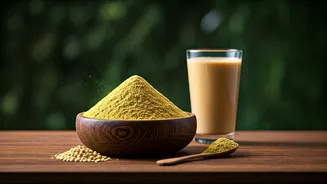
Staying hydrated is the number one rule of summer, but the new sensibility lies in *how* we hydrate. While drinking plenty of water remains crucial, there's a renewed appreciation for traditional Indian summer coolers that do more than just quench thirst. Drinks like *sattu sharbat* (roasted gram flour drink), *aam panna* (raw mango cooler), and *kokum sherbet* are making a huge comeback. Why? Because they are natural electrolyte powerhouses, replenishing the salts and minerals lost through sweat. Unlike packaged juices and sugary carbonated drinks that can lead to energy crashes, these homemade beverages provide sustained energy. Coconut water remains a superstar for its potassium content, and buttermilk (*chaas*) or lassi not only hydrates but also provides a dose of gut-friendly probiotics.
Celebrating Seasonal Superfoods
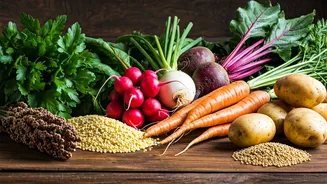
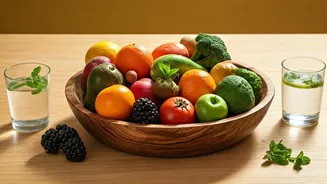
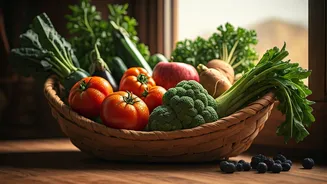
The wisdom of eating seasonally is at the heart of this sensible shift. Nature is smart; the produce that grows in summer is perfectly designed to help us cope with the heat. Instead of chasing exotic, imported 'superfoods', people are turning to the humble heroes of the local market. Water-rich fruits like watermelon (*tarbooz*) and muskmelon (*kharbuja*) are natural hydrators. Vegetables like cucumber (*kheera*), bottle gourd (*lauki*), and ash gourd (*petha*) have a high water content and a cooling effect on the body. These are light on the digestive system, easy to cook, and packed with essential vitamins and fibre. This return to local, seasonal eating not only benefits our health but also supports local farmers and is better for the environment.
The Mango Dilemma: Guilt-Free Indulgence
No discussion of an Indian summer diet is complete without addressing the mango. For decades, this king of fruits was demonised by diet culture as being too high in sugar and calories. People were told to avoid it if they wanted to stay slim. The sensible approach scraps this all-or-nothing thinking. Mangoes are a fantastic source of vitamins A and C, and antioxidants. The key is mindful consumption. Nutritionists now advise enjoying mangoes in moderation. Instead of having it as a heavy, processed dessert like a mango shake with added sugar and ice cream, it's better to eat a few slices of the whole fruit as a mid-day snack. This way, you get the fibre, which helps regulate blood sugar absorption. The new rule is simple: enjoy the season's best offering, just don't overdo it.
Prioritising Light and Cool Meals
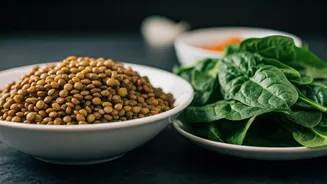
Finally, the shift is visible on the plate itself. Heavy, oily curries and rich, fried foods take a backseat. The body's digestive fire (*agni*, in Ayurvedic terms) is considered weaker in the summer, making it harder to process such meals. A sensible summer diet prioritises light, easily digestible foods. Think simple dals, steamed vegetables, salads with light dressings, and plenty of curd (*dahi*). Curd is a cooling food and an excellent probiotic that supports gut health, which is crucial for immunity. Incorporating herbs like mint and coriander in food and drinks also adds a cooling flavour and aids digestion. The overall trend is a move towards meals that leave you feeling light and energised, not sluggish and bloated.