



The Science of the Great Retreat
The monsoon doesn't just switch off; it withdraws in a gradual, staggered process that can take over a month. It begins when the specific atmospheric conditions that pull moisture-laden winds onto the subcontinent start to reverse. Meteorologically, the India
Meteorological Department (IMD) looks for key signs before declaring a withdrawal. These include a halt in rainfall over a region for five consecutive days, a significant drop in moisture levels, and the formation of an anticyclone in the lower atmosphere. This process typically starts in the extreme northwestern parts of India, like Rajasthan, around mid-September and slowly makes its way southeast across the country, often concluding its journey from the southern peninsula only by mid-October or later.
This Year's Monsoon Farewell Tour
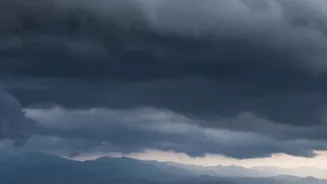
For 2026, satellite images on September 8th show dramatically clearer skies over northwest and central India, sparking chatter about the monsoon's end. However, forecasters clarify this is a sign of weakening activity, not the official withdrawal. The formal retreat is not expected to be declared before September 15th. Weather models suggest conditions will become increasingly favourable for withdrawal in the second half of the month, with an anticyclone—a key ingredient for the retreat—likely to strengthen over northwest India around September 21st. This follows a season marked by an erratic, El Niño-influenced pattern, with the IMD having forecasted below-normal rainfall for September.
How Will This Affect Your Daily Commute?
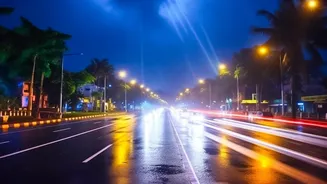
Initially, the commute might not get easier. The final, intense spells of rain, often associated with a retreating monsoon, can leave behind waterlogged streets and pothole-ridden roads that were hidden by the floods. As the rains cease, municipalities begin the slow work of post-monsoon road repairs, which can cause its own set of diversions and traffic jams. However, the long-term outlook is positive. The end of daily downpours means fewer sudden traffic snarls, improved visibility, and the gradual drying of perpetually damp roads. For those using two-wheelers or public transport, the end of getting drenched on the way to work is a significant, welcome relief.
Reclaiming Your Weekends: What to Plan
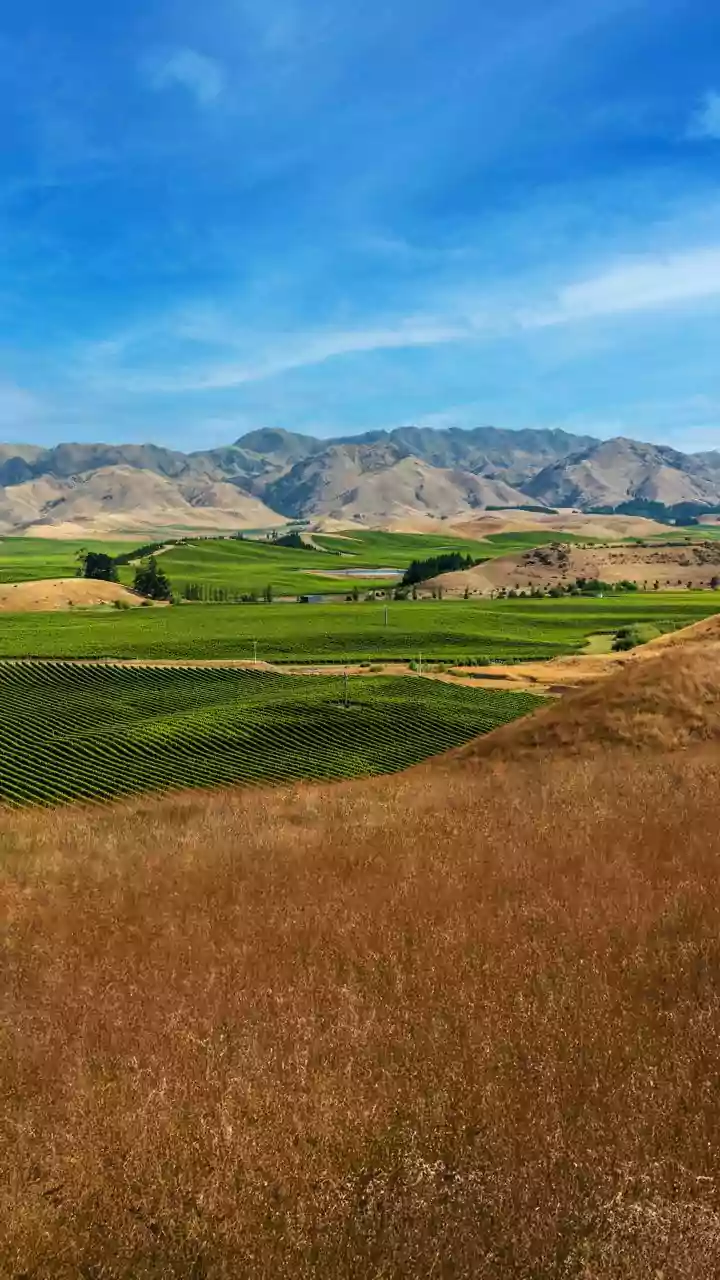
Clearer skies open up a world of possibilities for weekend activities. Outdoor markets, long-delayed picnics, and trips to nearby hills and resorts become feasible again. October is often considered a 'shoulder season' for travel—the weather is pleasant, and the peak tourist rush of November and December hasn't yet begun. However, be prepared for the 'October Heat'. As the cloud cover disappears, the sun beats down intensely, but the ground is still moist from the monsoon. This combination of high heat and high humidity can be incredibly oppressive, especially in the northern plains. So, while you can leave the raincoat at home, it's wise to carry water, wear light clothing, and plan strenuous outdoor activities for the cooler morning or evening hours.
The Other Post-Monsoon Changes
The retreat of the monsoon ushers in more than just a change in your wardrobe. Air quality often deteriorates as the lack of rain allows pollutants to hang in the atmosphere. The season for vector-borne diseases like dengue and malaria can also extend, as stagnant water left behind by the rains provides a breeding ground for mosquitoes. On the brighter side, this is also a time of festivals and celebration across the country, with the clearer, cooler evenings providing a perfect backdrop. Agriculturally, the moisture left in the soil is crucial for the planting of winter crops like wheat and chickpeas, making the end of the monsoon as critical as its arrival.