

What's a Larder, and Why Now?
Historically, a larder was a cool room or large cupboard used for storing food before refrigerators became common. Today, the term has been revived to describe a tall, standalone cabinet that offers a centralised home for all non-perishable goods. The
return of the larder is driven by a desire for kitchens that feel less like sterile labs and more like warm, lived-in hearts of the home. It taps into popular design trends like modern farmhouse and 'warm minimalism' that prioritize character and functionality. A freestanding larder adds a beautiful furniture element to the kitchen, breaking up monotonous rows of cabinets and offering a touch of personality.
The Magic of Thinking Vertically
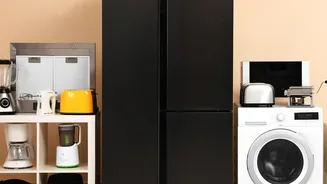
The single biggest advantage of a freestanding larder is its masterful use of vertical space. Many kitchens, especially in urban apartments, have limited floor area but ample ceiling height that often goes unused. A tall larder cabinet draws the eye upward and maximizes storage capacity on a small footprint. Instead of spreading clutter across multiple cabinets and countertops, a larder consolidates everything in one organised tower. This approach is a game-changer for keeping kitchens tidy, as it gives everything from cereal boxes and bulk-buy items to small appliances a designated home, freeing up valuable counter space.
Is a Freestanding Larder Right for You?
Before you invest, consider your space and needs. A freestanding larder is incredibly flexible; it can be added to an existing kitchen without a remodel and can even be moved if you rearrange your layout or home. First, measure the alcove or wall space you have in mind, paying close attention to height, width, and depth to ensure a good fit. Then, think about your storage pain points. Are you tired of digging through deep, low cabinets? Do you need a better system for spices, oils, and baking supplies? Modern larders are often designed with a smart mix of adjustable shelves, pull-out drawers, and door-mounted racks to solve these exact problems. They are perfect for those who want to improve organisation without committing to permanent, built-in cabinetry.
From Chaos to Calm: A Guide to Larder Organisation
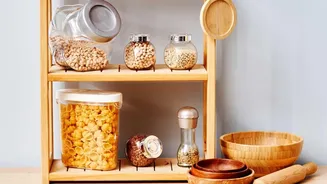
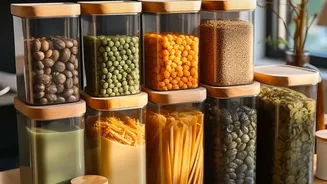
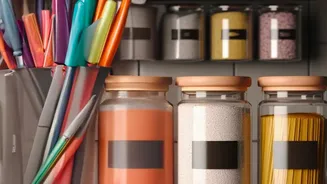
Once you have your larder, the fun of organising begins. Start by taking everything out of your current cupboards and decluttering. Then, group similar items together: baking supplies, grains and pasta, canned goods, snacks, and breakfast items. Place taller items at the back of shelves and consider using shelf risers to create tiers, making everything visible. Using clear, stackable containers for things like flour, rice, and cereal not only looks beautiful but also helps you see what you have at a glance. Use baskets for loose items like snack bags or root vegetables. Finally, use the inside of the doors for spice racks or shallow shelves—it’s the perfect spot for small items that can get lost easily.
Choosing a Style That Suits You
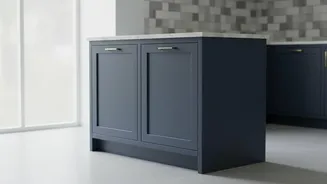
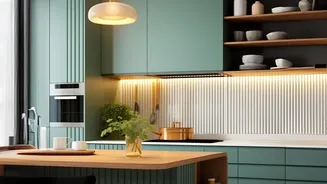
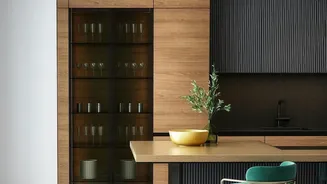
The beauty of the larder's return is the sheer variety available. You aren't limited to one particular look. You can find everything from rustic, wooden units that look like antique furniture to sleek, painted cabinets in bold greens or blues that serve as a statement piece. Some prefer the look of an armoire or bookcase repurposed for kitchen use. The goal is to choose a piece that not only solves your storage problems but also complements your kitchen's existing decor, making it feel intentional and cohesive. Whether modern and minimalist or traditional and cosy, there is a freestanding larder to fit your aesthetic.