
The Building Blocks of Protein
Proteins are essential for nearly everything our bodies do, from building muscle and repairing tissue to making enzymes and hormones. They are made up of smaller units called amino acids. There are 20 different amino acids, but nine of them are called 'essential
amino acids'. Our bodies cannot produce these nine on their own, so we must get them from the food we eat. When a food contains all nine essential amino acids in the right proportions, it is considered a 'complete protein'. Animal-based foods like meat, eggs, and dairy are typically complete proteins.
The Plant Protein Puzzle
Most plant-based foods, while rich in nutrients, are considered 'incomplete' proteins. This doesn't mean they are bad; it simply means they are low in one or more of the nine essential amino acids. This is where the concept of protein complementarity becomes a game-changer. Different plant foods have different amino acid profiles. By strategically combining them, you can create a meal that provides all the essential amino acids, effectively forming a complete protein. This isn't a new-age health trend; it's a principle that has been at the heart of traditional cuisines around the world for centuries.
Grains and Legumes: A Perfect Match
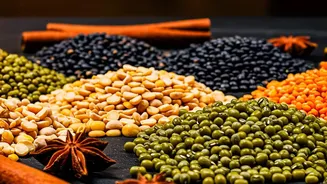
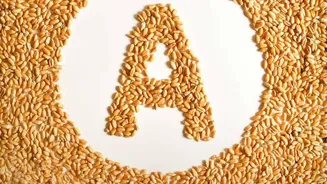
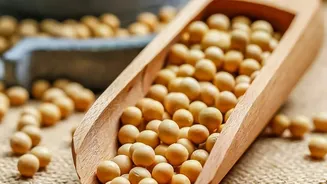
The most powerful and common pairing in the plant kingdom is that of cereal grains and legumes. Cereal grains (like rice, wheat, and corn) are generally low in the essential amino acid lysine but contain adequate amounts of another, methionine. Legumes (like lentils, beans, and chickpeas) have the opposite profile: they are rich in lysine but low in methionine. When you eat them together, their amino acid strengths and weaknesses compensate for each other. The lysine from the legumes fills the gap in the grains, and the methionine from the grains fills the gap in the legumes. The result is a high-quality, complete protein meal created from two simple, inexpensive ingredients.
Boosting the Protein Score
Scientists measure the quality of a protein using a method called the Protein Digestibility Corrected Amino Acid Score (PDCAAS). This score evaluates a protein based on both its amino acid content and how easily the human body can digest and absorb it. A score of 1.0 is the highest possible, indicating that the protein provides 100% of the essential amino acids required after digestion. While a single plant source might have a lower score, combining complementary proteins—like grains and legumes—significantly boosts the PDCAAS of the overall meal. This ensures your body is getting the full spectrum of building blocks it needs for optimal function.
Traditional Wisdom in the Indian Kitchen
This nutritional science is beautifully illustrated in many staple Indian dishes. Think of Dal Chawal (lentils with rice), a comforting meal that perfectly marries a legume with a grain. The same principle applies to eating Roti or Naan (wheat-based breads) with dals or chickpea curries like Chana Masala. In the south, Idli and Dosa are made from a fermented batter of rice and urad dal. In North India, Rajma Chawal (kidney beans with rice) is a beloved combination. Even the humble Khichdi, a one-pot dish of rice and lentils, is a perfect example of a complete protein meal that has been a cornerstone of the Indian diet for centuries. These traditional food pairings are not just delicious; they are a testament to an intuitive understanding of balanced nutrition.