





Jamun (Indian Blackberry)
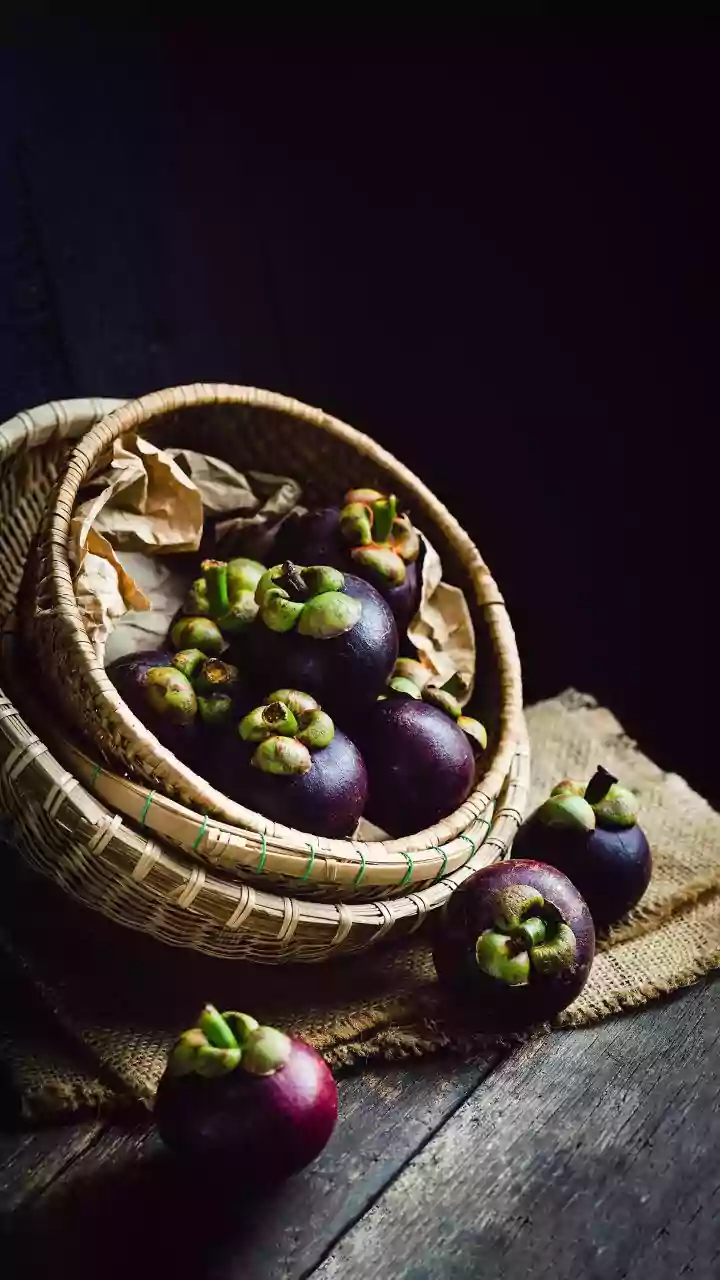
The quintessential monsoon fruit, Jamun, also known as the Indian blackberry or java plum, is a true seasonal star. Its deep purple skin and distinctively sweet, tangy, and slightly astringent taste evoke nostalgia for many. Jamuns are not just delicious;
they are packed with nutrients like Vitamin C, iron, and antioxidants that help boost immunity and improve digestion, which can be sluggish during the humid months. They are also known for their role in traditional medicine, particularly for their potential to help regulate blood sugar levels. When shopping, look for plump, soft, and deeply coloured fruits. Avoid those that are hard or have wrinkled skin. Their season is fleeting, typically from June to July, so enjoy them while you can. Store them in the refrigerator, but they are best consumed within a day or two for peak freshness.
Litchi
Another beloved fruit marking the arrival of the rains is the litchi. With its rough, pinkish-red outer skin and translucent, juicy flesh, the litchi offers a burst of sweet, floral flavour. It's a fantastic source of Vitamin C, which is crucial for fighting off common monsoon infections, and provides potassium to help maintain the body's electrolyte balance in the humid weather. While delicious, they are high in natural sugars, so moderation is key. To pick the best litchis, choose fruits that have a vibrant, rosy-red shell and feel firm but give slightly when pressed. A fresh, green stem is a good indicator of recently harvested fruit. Avoid any that are cracked, leaking, or have large brown patches, as they may be overripe or spoiled. Litchis will not ripen further after being picked.
Plums (Aloo Bukhara)
Plums, or Aloo Bukhara, are small, round fruits with smooth skin that come in various shades of red, purple, and yellow. Their sweet and tart taste makes them a refreshing snack during the monsoon. Plums are particularly valued for their high dietary fibre content, which aids digestion and helps prevent constipation—a common concern during this season. They are also rich in antioxidants and Vitamin C, which help boost immunity and fight inflammation. When buying plums, look for those that are firm to the touch but have a slight give. The skin should be smooth and richly coloured. Avoid plums with soft spots, blemishes, or wrinkled skin. They can be stored at room temperature if you want them to soften slightly or kept in the refrigerator to extend their freshness.
Peaches (Aadu)
Known for their fuzzy skin and incredibly juicy, sweet flesh, peaches (Aadu) are a delightful monsoon treat. These fruits are packed with vitamins A and C, which are excellent for skin health and bolstering the immune system. Peaches also contain antioxidants and can help reduce inflammation. The fibre in peaches supports healthy digestion, while their high water content makes them a hydrating choice for a humid day. Select peaches that have a fragrant aroma and yield slightly to gentle pressure, especially near the stem. The background colour, whether yellow or creamy, should be rich, not green. A reddish blush indicates sun exposure but not necessarily ripeness. Store firm peaches at room temperature to ripen and move them to the fridge once they are soft and ready to eat.
Pears (Nashpati)
Crisp, sweet, and juicy, the Indian pear, or Nashpati, is a wonderfully refreshing and hydrating monsoon fruit. Pears are an excellent source of dietary fibre, which is beneficial for gut health and can help improve bowel regularity. They are considered gentle on the stomach and are a good source of antioxidants like Vitamin C and copper. Due to their low acidity and high water content, they are a great choice for a soothing, hydrating snack. When choosing pears, look for firm fruits with smooth skin, free from bruises or soft spots. Unlike many other fruits, pears ripen from the inside out. To check for ripeness, gently press the neck of the pear; if it gives slightly, it’s ready to eat. They can be stored at room temperature to ripen and then refrigerated.
Cherries
Sourced from the Himalayan regions, shiny red cherries make a special appearance during the monsoon months. These small fruits offer a perfect balance of sweet and tart flavours. Cherries are loaded with antioxidants and have anti-inflammatory properties, which can be particularly helpful for relieving joint pain that may worsen with humidity. They are also a natural source of melatonin, which can help improve sleep quality. For the best cherries, select those that are plump, firm, and have a glossy, deep-red skin. A fresh, green stem is a sign of freshness. Avoid cherries that are dull, soft, or bruised. They are highly perishable, so it's best to store them in a plastic bag in the refrigerator and consume them within a few days.