

As the intense summer heat gives way to pleasant breezes, Jaipur's majestic palaces beckon. The Pink City's cooler season, from October to March, is the perfect time to explore its royal heritage, offering a comfortable and magical travel experience.
Hawa Mahal: The Palace of Winds
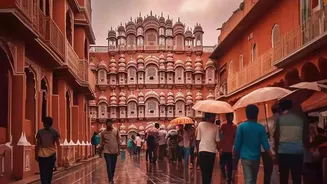
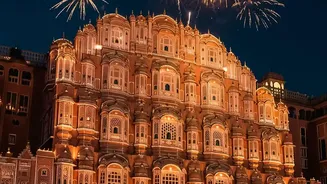
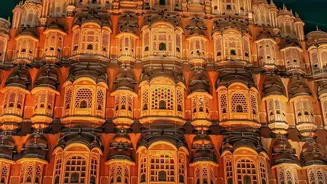
Instantly recognisable, the Hawa Mahal is less a palace and more of an elaborate facade. Built in 1799 from iconic pink and red sandstone, its primary purpose was to allow the royal women to observe street festivities unseen through its 953 intricately designed windows, or 'jharokhas'. During the cooler months, a gentle breeze often flows through this latticework, giving the 'Palace of Winds' its name and making a visit exceptionally pleasant. While the exterior, which resembles a honeycomb, is famously viewed from across the street, the interior is a fascinating series of ramps and colourful chambers worth exploring. The best time to photograph the facade is in the morning when the sun casts a warm glow on the pink stone.
City Palace: A Living Royal Legacy
Located in the heart of the old city, the City Palace is a sprawling complex that beautifully blends Mughal and Rajput architecture. It was established by Maharaja Sawai Jai Singh II and part of it remains the residence of Jaipur's royal family today, lending it a living, breathing atmosphere. The cooler season is ideal for exploring its vast courtyards, gardens, and galleries without the strain of summer heat. Don't miss Pritam Niwas Chowk, a courtyard featuring four stunningly painted gates that represent the four seasons. The Mubarak Mahal, once a reception hall, now houses a museum of royal textiles, while the Diwan-i-Khas displays two enormous silver urns, among the largest in the world.
Amer Fort: The Hilltop Citadel
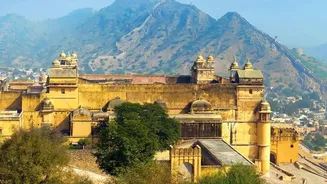
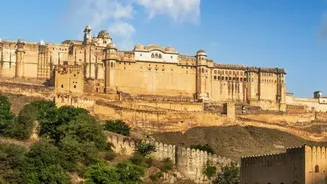
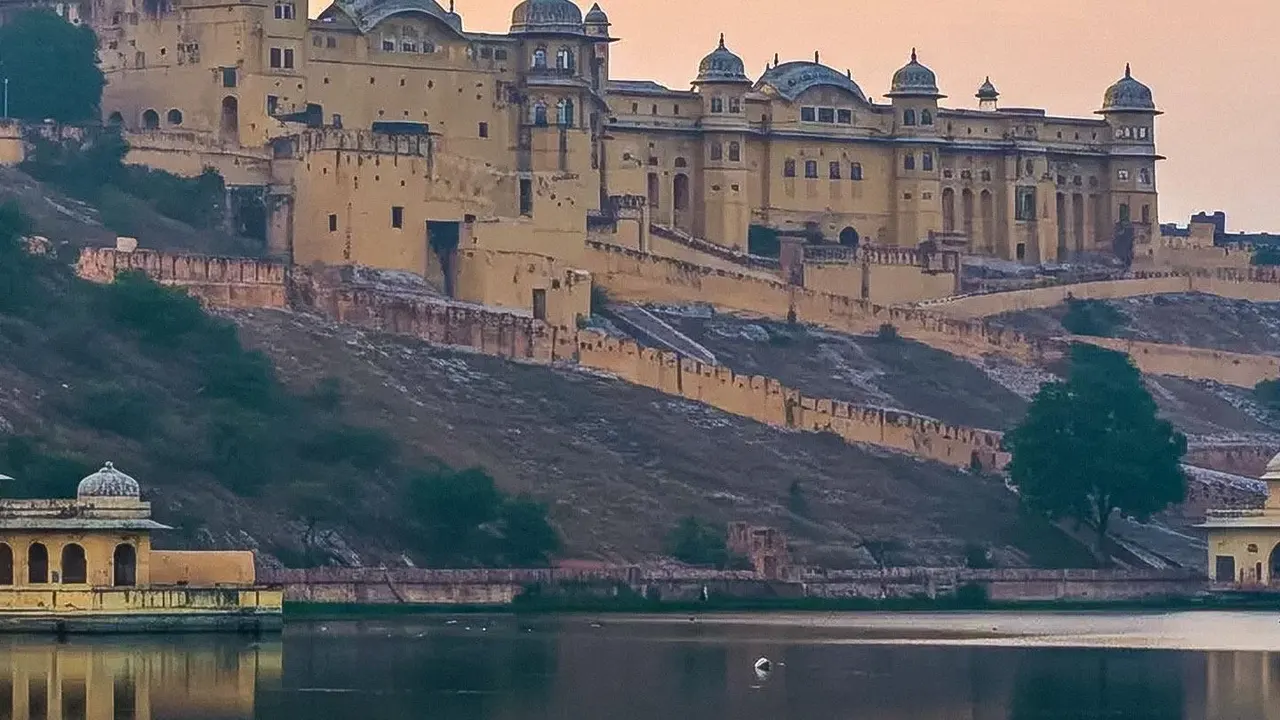
A UNESCO World Heritage Site, Amer Fort (also called Amber Fort) is a majestic fortress-palace nestled in the Aravalli Hills overlooking Maota Lake. Its construction began in the late 16th century, and its scale is breathtaking. Visiting between October and March means you can comfortably walk its extensive ramparts, courtyards, and palaces. The clear winter skies offer stunning panoramic views. A highlight is the Sheesh Mahal, or Mirror Palace, where the walls and ceilings are covered in intricate mirror mosaics that glitter spectacularly with even a single ray of light. To avoid crowds, it's best to arrive right when it opens at 8:00 AM.
Jal Mahal: The Serene Water Palace
Appearing to float in the middle of Man Sagar Lake, Jal Mahal is one of Jaipur's most serene and picturesque sights. This five-storey palace, with four of its floors submerged when the lake is full, was once a royal lodge for duck hunting parties. While visitors cannot go inside, the view from the lakeside promenade is enchanting, especially during the cooler months. This season often brings migratory birds to the lake, adding to the tranquil scene. The best times to visit are sunrise, when the calm water reflects the soft morning light on the palace, or just after sunset when the structure is beautifully illuminated.
Nahargarh Fort: The Sunset Spectacle
For the most breathtaking panoramic views of Jaipur, a trip to Nahargarh Fort is essential. Perched on the edge of the Aravalli ridge, the fort offers a stunning perspective of the entire city, with Jal Mahal and Man Sagar Lake visible in the distance. The cooler months, particularly from October to March, provide the perfect weather for an evening visit. Arriving an hour before sunset allows you to explore the fort's Madhavendra Bhawan, which features interconnected suites for the queens, before finding a spot on the ramparts to watch the sky change colour. As the sun dips below the horizon and the city lights begin to twinkle, you'll witness a truly magical transformation of the Pink City.