



More Than Just Abstinence
Traditional Hindu fasting, or 'upvas', is more than simply abstaining from certain foods; it's a holistic practice aimed at purifying the body and mind to aid spiritual focus. The diet followed during periods like Navratri, Ekadashi, or Shivratri is designed
to be light, clean, and energising. This is where the ancient wisdom of Ayurveda comes into play, specifically through the concept of a 'sattvik' diet. The goal is to consume foods that calm the mind, are easy to digest, and enhance mental clarity for prayer and meditation. It's a deliberate shift away from foods that are heavy or overstimulating, allowing the body's energy to be directed towards spiritual, rather than digestive, efforts.
Understanding the Three Gunas
According to Ayurvedic and yogic philosophies, all of nature, including the food we eat, is governed by three fundamental qualities or 'gunas': Sattva, Rajas, and Tamas. Sattva represents purity, harmony, and clarity. Sattvik foods are fresh, natural, light, and nourishing, promoting a calm and clear state of mind. Examples include fresh fruits, vegetables, milk, and whole grains. Rajas embodies activity, passion, and stimulation. Rajasic foods, like spicy dishes, coffee, onions, and garlic, can create restlessness and agitate the mind. * Tamas signifies dullness, inertia, and darkness. Tamasic foods are heavy, stale, over-processed, or reheated, and are believed to cause lethargy and mental fog. This category includes meat, alcohol, and leftovers. Fasting diets are designed to maximise Sattva while minimising Rajas and Tamas to support a state of serene devotion.
The Purity of Pure Ghee
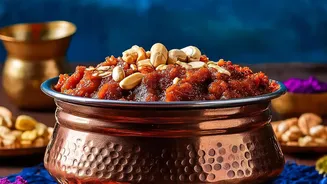
Ghee, or clarified butter, is considered one of the most sattvik foods in Ayurveda. It is revered for its nourishing and rejuvenating properties. During a fast, the body needs a clean source of energy that doesn't tax the digestive system. Ghee provides just that. It is a source of healthy fats that provide sustained energy, which is crucial when food intake is limited. From an Ayurvedic perspective, ghee is believed to kindle the digestive fire ('agni') without aggravating Pitta (the fire element in the body), improve nutrient absorption, and help lubricate the body's tissues. Its ability to nourish the body while promoting clarity and calm makes it an indispensable part of fasting cuisine.
The Case for Rock Salt
Ever wondered why regular table salt is swapped for 'sendha namak' (rock salt) during fasts? The reason lies in its perceived purity. Sendha namak is the most natural, unrefined form of salt available. Unlike processed table salt, which may contain chemical anti-caking agents, rock salt is minimally processed and considered pure and sattvik. Ayurveda views it as having a 'cooling' effect on the body, which helps maintain balance, especially when the digestive system is more sensitive during a fast. Furthermore, rock salt is rich in essential minerals like potassium and magnesium, which are vital for maintaining the body's electrolyte balance and preventing fatigue and muscle cramps when dietary intake is restricted.
A Complete Sattvik Fasting Plate
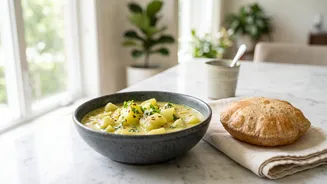
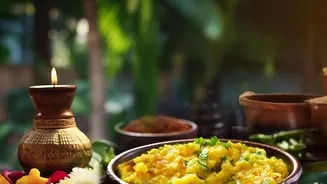
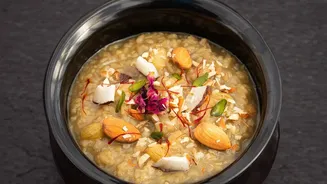
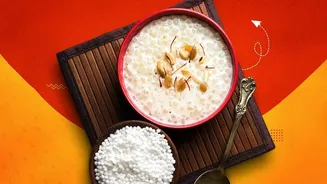
Beyond ghee and rock salt, a typical fasting thali is a masterclass in sattvik eating. Ingredients are chosen for their energy-giving properties and ease of digestion. Flours like buckwheat ('kuttu ka atta') and water chestnut ('singhara ka atta') are used instead of heavy grains like wheat. These are technically seeds, not grains, and are packed with nutrients while being gluten-free. Vegetables like bottle gourd ('lauki') and pumpkin are preferred for being hydrating and cooling. Sabudana (tapioca pearls) and samak rice (barnyard millet) provide carbohydrates for energy without being heavy. All these ingredients work in synergy to keep the body nourished and the mind peaceful.