





First, What Is Shoulder Season?
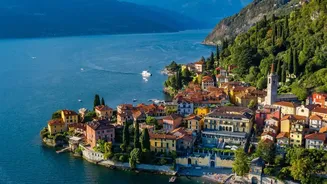
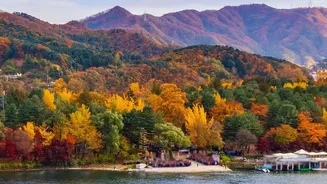
Shoulder season is the sweet spot in travel, the period just before or after a destination's peak tourist season. Think of Europe in September after the summer rush, or Rajasthan in March as the winter crowds depart. It’s a time when the weather is often
still pleasant, most attractions are open, but the overwhelming crowds and peak-season prices have faded. This transitional period offers a more relaxed and authentic travel experience, creating the perfect window for a quick, rejuvenating escape.
The Power of Availability
One of the biggest headaches of planning a long vacation during peak season is fighting for availability. Flights are full, desirable hotels are booked out months in advance, and popular tours have no slots. Short trips, by nature, are often planned with less lead time. During the shoulder season, this spontaneity is rewarded. With fewer people travelling, it's significantly easier to find last-minute deals on flights and accommodation. This flexibility is crucial for a 3- or 4-day trip, as you can make decisions closer to your travel date without the fear that everything will be sold out or exorbitantly priced.
Less Planning, Lower Pressure
Organising a long holiday can feel like a part-time job, filled with complex itineraries and the pressure to make every moment count. Shorter trips inherently reduce this planning fatigue. You only need to arrange a few nights' accommodation and a handful of activities. When you combine this with the shoulder season, the mental load drops even further. There's less need to pre-book every restaurant or tour, allowing for more spontaneity. The financial stakes are also lower. Because the trip costs less, there isn't as much pressure to have a 'perfect' vacation, which paradoxically often leads to a more enjoyable and relaxing one.
Maximise Your Time and Budget
Shorter trips are a fantastic way to make the most of long weekends and public holidays. During shoulder season, your money goes further, meaning a quick getaway feels more luxurious. The savings on major expenses like airfare and hotels can be significant. This frees up your budget to be spent on experiences that matter, like a nicer meal, a unique tour, or a hotel upgrade that might have been unaffordable during peak season. You get all the benefits of a refreshing break—a change of scenery and a chance to disconnect—without the financial and logistical burden of a longer, more expensive holiday.
A More Authentic Experience
Shoulder season travel often provides a more genuine connection to a destination. With fewer tourists, the atmosphere is calmer, and you're more likely to interact with locals who aren't exhausted by the peak-season frenzy. Streets are less crowded, you spend less time waiting in lines for attractions, and you can enjoy a more leisurely pace. For a short trip, this is a huge advantage. It allows you to quickly immerse yourself in the local culture and get a real sense of place, rather than spending your limited time navigating tourist traps. The entire experience feels less transactional and more memorable.