






Why a Weekly Reset Matters
A 'kitchen reset' is a weekly ritual to bring your kitchen back to a state of readiness. It’s not about deep cleaning; it's a functional tidy-up that makes the entire week feel lighter. When your counters are clear and you know what food you have, meal
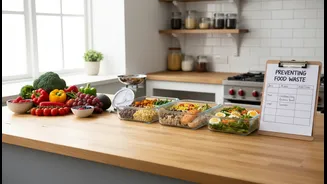
planning and cooking become less stressful. The primary benefit is reducing 'decision fatigue'—that feeling of being overwhelmed by choice when you're already tired. A reset clears away the visual noise, which can lower stress and give your brain a fresh start for the week. More importantly, it tackles food waste head-on. By taking stock of what you have, especially items in open packages, you're less likely to let food expire or buy duplicates you don't need. This simple routine saves money, reduces waste, and gives you a sense of control over your home and schedule.
Step 1: The Open-Pack Audit
The first step is to gather every open package from your pantry, fridge, and countertops. This includes bags of flour, sugar, rice, pasta, crackers, chips, nuts, and spices. Lay them all out so you can see exactly what you’re working with. This 'audit' gives you a clear inventory. As you sort, check for freshness. Toss anything that has gone stale or is past its prime. For items that are still good but you know you won’t use, consider donating them to a local food bank if they are unopened and non-perishable. The goal is to start with a realistic picture of the food you actually have and will eat. This is also the perfect time to start your grocery list, noting what truly needs replenishing.
Step 2: Decant and Consolidate
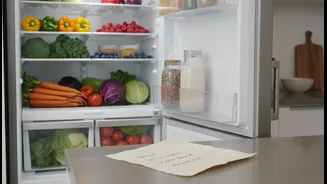
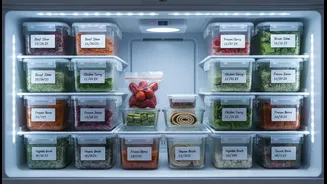
This is where the magic happens. Instead of wrestling with clumsy bags and flimsy boxes, transfer the contents into clear, airtight containers. Decanting not only makes your pantry look incredibly organised, but it also has practical benefits. Airtight seals protect food from air, moisture, and pests, keeping items like flour, sugar, and crackers fresher for longer. Use clear containers so you can see at a glance how much you have left. For items like flour and sugar, which can get messy, a container with a wide opening is essential. Don't forget about items in the fridge; leftovers and chopped vegetables stored in clear containers are more likely to be eaten. This step prevents spills, maintains freshness, and makes everything easier to find.
Step 3: Label Everything, Always
Once everything is in a container, the next crucial step is labeling. It might seem tedious, but it saves you from future guesswork. A simple label should include the name of the item and the date it was opened or its expiration date. This is especially important for flours, spices, and other items that can be hard to identify visually. You don't need a fancy label maker; masking tape and a marker work perfectly well. This system helps you follow the 'First-In, First-Out' (FIFO) principle—using up older items before newer ones to reduce waste. For leftovers in the freezer, a label with the contents and date prevents mystery containers from languishing for months.
Step 4: Create Smart Storage Zones
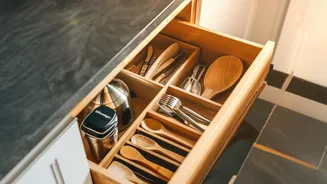
With your items decanted and labeled, it's time to put them away thoughtfully. Organise your pantry and fridge into logical zones. Group like items together: all baking supplies on one shelf, grains and pastas on another, and snacks in one area. This makes grabbing what you need quick and easy. Consider creating a designated 'use this week' bin or shelf in your fridge for items that need to be eaten soon. This visual cue reminds everyone in the household what to reach for first. Using turntables (Lazy Susans) for corners or deep shelves can make oils, sauces, and spices more accessible, preventing them from getting lost in the back.
Making the Reset a Lasting Habit
The key to a successful kitchen reset is consistency, not perfection. Aim for a short, focused block of time each week—even 20-30 minutes can make a huge difference. Pick a time that works for you, whether it's Sunday evening or Friday afternoon. Put on some music, set a timer, and focus on restoring function. Involve the whole family by assigning simple tasks like washing produce or labeling containers. The goal isn't to achieve a magazine-worthy kitchen every week, but to create a sustainable system that makes your daily life easier and less wasteful. The small investment of time pays off all week long in the form of a calmer, more functional kitchen.