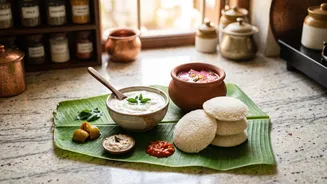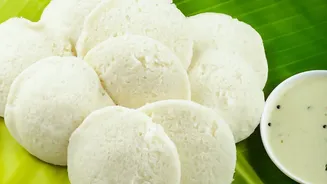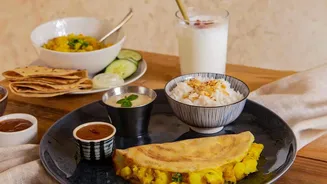



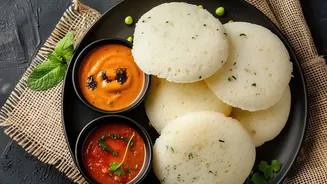
That comforting plate of fluffy idlis or a crisp dosa is more than just a delicious meal. Tucked within these traditional Indian staples is the ancient science of fermentation, a process now understood to be a powerful ally for our gut and immune health.
The Ancient Art of Fermentation
For centuries, fermentation was a practical method of food preservation. In the Indian kitchen, this process transforms simple ingredients like rice, lentils, and vegetables into dishes with enhanced flavour and a longer shelf life. The process involves microorganisms like beneficial bacteria and yeast, which break down complex components like starches and proteins. This pre-digestion not only makes the food easier on our system but also unlocks a wealth of nutrients, creating what some experts call 'naturally fortified functional nutrients'. The fermentation of idli and dosa batter, for instance, involves lactic acid bacteria such as Lactobacillus, the very same strains often highlighted in probiotic supplements. This process reduces anti-nutrients like phytic acid, which in turn makes minerals like iron and zinc more available for our bodies to absorb.
Building a Stronger Gut Barrier
A healthy gut acts as a selective barrier, allowing nutrients to pass into the bloodstream while keeping harmful substances out. The live, beneficial bacteria, or probiotics, found in fermented foods play a crucial role in maintaining this barrier. They help strengthen the intestinal lining, preventing what is sometimes called a 'leaky gut', where pathogens and toxins might otherwise pass through. These good bacteria colonise the gut, competing with harmful microbes and helping to maintain a healthy balance in your gut microbiome. The byproducts of fermentation are also key. When gut bacteria ferment dietary fibre, they produce compounds called short-chain fatty acids (SCFAs). These SCFAs, particularly butyrate, serve as the primary energy source for the cells lining your colon, helping to keep the intestinal wall strong and intact.
The Gut-Immunity Connection
Did you know that a huge portion of your immune system—up to 70%—resides in your gut? This is known as gut-associated lymphoid tissue (GALT). The health of your gut microbiome directly communicates with and influences this powerful immune hub. A diverse and balanced microbiome helps regulate immune responses. The probiotics from fermented foods contribute to this balance, while the SCFAs they help produce act as critical messengers. Research shows that SCFAs can modulate immune cell function and help control inflammation. A landmark 2021 Stanford study found that a 10-week diet rich in fermented foods not only increased microbiome diversity but also decreased 19 different inflammatory proteins in the blood, including one linked to chronic stress and Type 2 diabetes. This suggests that fermented foods don't just 'boost' immunity, but rather help regulate it for a more balanced and less inflammatory response.
Your Daily Plate of Fermented Goodness
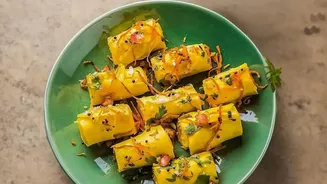
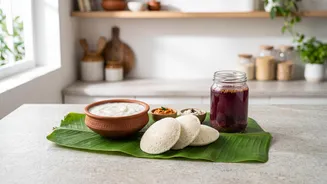
Incorporating these benefits into your diet is easier than you think, as many beloved Indian dishes are naturally fermented. Dahi (curd), a staple in most Indian households, is packed with live cultures when made traditionally at home. The fermented batters of South Indian classics like idli and dosa are rich in beneficial microbes, although some of these are lost during cooking. Even so, the fermentation process makes the final products easier to digest and more nutritious. Other excellent choices include dhokla from Gujarat, made from fermented gram flour batter, and Kanji, a tangy North Indian drink made from fermented black carrots. Even traditional homemade pickles (achar), when fermented naturally without excess oil and preservatives, can be a source of diverse microbes.