








The New Reality of the Urban Kitchen
The cultural ideal of a home-cooked meal, prepared with love from scratch every day, is deeply ingrained in the Indian psyche. For generations, it has been the unquestioned centre of family life. But in today's bustling cities, this ideal is clashing
with a new reality. With rising numbers of dual-income households, demanding careers, and commutes that steal hours from the day, time has become the scarcest commodity. The pressure, often falling disproportionately on women, to deliver a perfect, multi-dish meal every night is leading to burnout and stress. It’s time to reframe the conversation. Choosing a convenient meal solution is not a sign of failure or laziness; it's a strategic choice to reclaim time, reduce stress, and focus on quality family engagement. The goal is a healthy, happy family, and the path to get there can and should adapt to modern urban life.
Redefining 'Home-Cooked': The Rise of Meal Kits
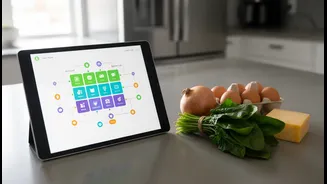
For those who enjoy the process of cooking but lack the time for planning and shopping, meal kits are a game-changer. These services deliver pre-portioned ingredients and step-by-step recipes right to your doorstep. This eliminates the mental load of deciding 'what to cook?' and the hassle of grocery runs, while still allowing for the experience of creating a fresh meal. The Indian market has seen a surge in meal kit providers that cater to local tastes, offering everything from regional thalis to global cuisines. Many now focus on specific dietary needs, such as high-protein, low-carb, or vegan options, ensuring that convenience doesn't come at the cost of health. They represent a middle path—less work than starting from zero, but more involved and fresh than a ready-to-eat meal.
The Modern Tiffin: Subscription Meal Services
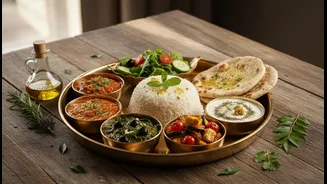
The humble tiffin service has undergone a major glow-up. What was once a simple, homestyle meal delivery system has evolved into a sophisticated subscription service market. Today's meal subscription companies offer a wide range of customisable plans, allowing families to choose their cuisines, control portion sizes, and specify dietary restrictions. Many of these services are led by nutritionists, providing calorie-counted, balanced meals designed for long-term health. With the rise of health consciousness in urban India, these subscriptions offer a reliable way to ensure nutritious eating on busy weekdays. They provide the consistency of a home-cooked diet without any of the daily labour involved, making them a popular choice for working professionals and nuclear families.
Strategic Shortcuts: Better Ready-to-Eat and Frozen Foods
The ready-to-eat (RTE) food market in India is booming, with projections showing significant growth. While once viewed with suspicion, the quality and variety of these products have improved dramatically. Advances in food technology mean there are now healthier options available, with many brands offering preservative-free, organic, and nutritionally balanced meals. The key is to be a discerning consumer. Reading labels for sodium, sugar, and preservatives is crucial. These meals aren't meant to replace fresh cooking entirely, but they can be invaluable as a backup for exceptionally hectic days. Having a few trusted, high-quality frozen or ready-to-heat options like parathas, curries, or biryanis can be the difference between a stressful evening and a relaxed family dinner.
The DIY Approach: Smarter Meal Prep
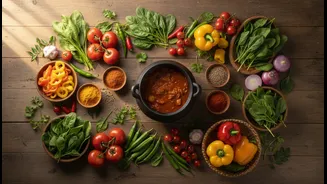
For those who still prefer a hands-on approach, a smarter way of cooking from scratch can make all the difference. This is less about finding external services and more about optimising your own kitchen routine. Weekend meal prepping is a powerful tool. Spending a few hours on a Sunday to chop vegetables, prepare ginger-garlic paste, boil lentils, or marinate proteins can save immense amounts of time during the week. Another effective strategy is batch cooking—making a large portion of a base gravy or a versatile dish like dal tadka that can be used in different ways over the next few days. These methods retain the full control and cost-effectiveness of home cooking while acknowledging the time constraints of a modern work week.