






First, Understand Your Sunlight
Before buying a single plant, become a sun detective. The amount of direct sunlight your balcony receives is the most critical factor determining what you can grow. Don't just guess; observe. Over a clear day, note when direct sun first hits your balcony floor
or railings and when it leaves. A simple way to check is to look for sharp, clear shadows; if an object casts one, it's in direct sun. Add up the total hours to classify your space. More than six hours is 'full sun', four to six hours is 'partial sun' or 'partial shade', and less than four hours is considered 'shade'. Remember that a balcony can feel bright all day due to reflected light from other buildings, but most flowering and fruiting plants need direct rays to truly thrive. Knowing your light pattern is the first step to choosing plants that will flourish, not just survive.
The Art of Watering in Containers
Potted plants have different watering needs than those in the ground. Containers, especially smaller ones or those made of terracotta, dry out very quickly due to sun and wind exposure. In hot weather, this might mean watering daily or even twice a day. Forget a fixed schedule; the best way to know if your plant is thirsty is to check the soil. A simple 'knuckle test' works well: insert your finger into the soil, and if the top inch or two feels dry, it's time to water. When you do water, do it thoroughly. Pour water slowly at the base of the plant until you see it dripping from the drainage holes at the bottom. This ensures the entire root system gets hydrated. The best time to water is early in the morning, which allows the plant to absorb moisture before the afternoon heat and helps prevent fungal diseases that can arise from wet leaves at night.
Choosing the Right Plants
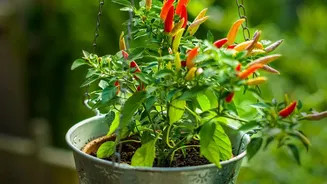
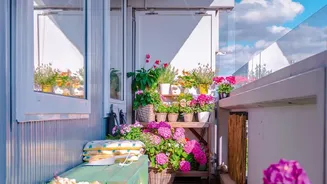
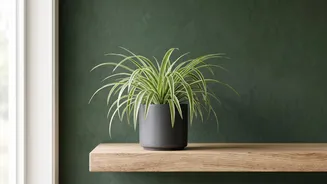
Now for the fun part: selecting your plants. With your sunlight assessment in hand, you can match plants to the right conditions. For a sunny balcony (6+ hours of sun), you have a wide array of choices. Heat-loving flowers like Bougainvillea, Lantana, and Petunias will provide vibrant colour. Many vegetables, such as tomatoes, peppers, and brinjal, also thrive in full sun, as do herbs like rosemary, thyme, and basil. For a partially sunny spot, especially one with gentle morning sun, consider plants like fuchsias, begonias, and impatiens. If your balcony is mostly shady (less than 4 hours of sun), focus on foliage and texture. Ferns, many varieties of Pothos (money plant), Syngonium, and Spider Plants are excellent choices that bring lush greenery without needing much direct light. You can even grow shade-tolerant herbs like mint and parsley.
Soil, Pots, and Feeding
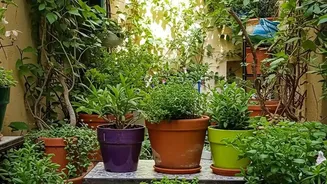
The foundation for a healthy balcony garden lies in what you plant it in. Always use a good quality potting mix, not garden soil, which is too heavy and compacts easily in containers, restricting root growth and drainage. A good mix will be light and airy. Ensure every pot you use has drainage holes at the bottom to prevent waterlogging, which can lead to root rot. When it comes to pot material, plastic pots retain moisture longer, while terracotta pots are porous and dry out faster. Because nutrients wash out of containers with every watering, you'll need to feed your plants regularly. Using an organic fertilizer like compost or a balanced liquid fertilizer every few weeks during the growing season will provide the essential nutrients needed for healthy growth, vibrant flowers, and a productive harvest.