

The Enduring Power of Tradition
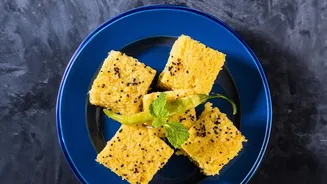
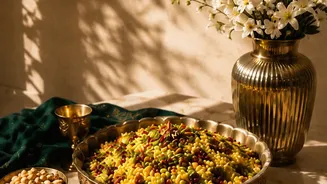
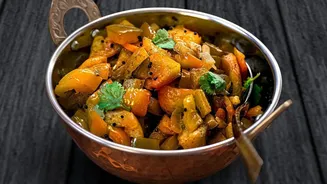
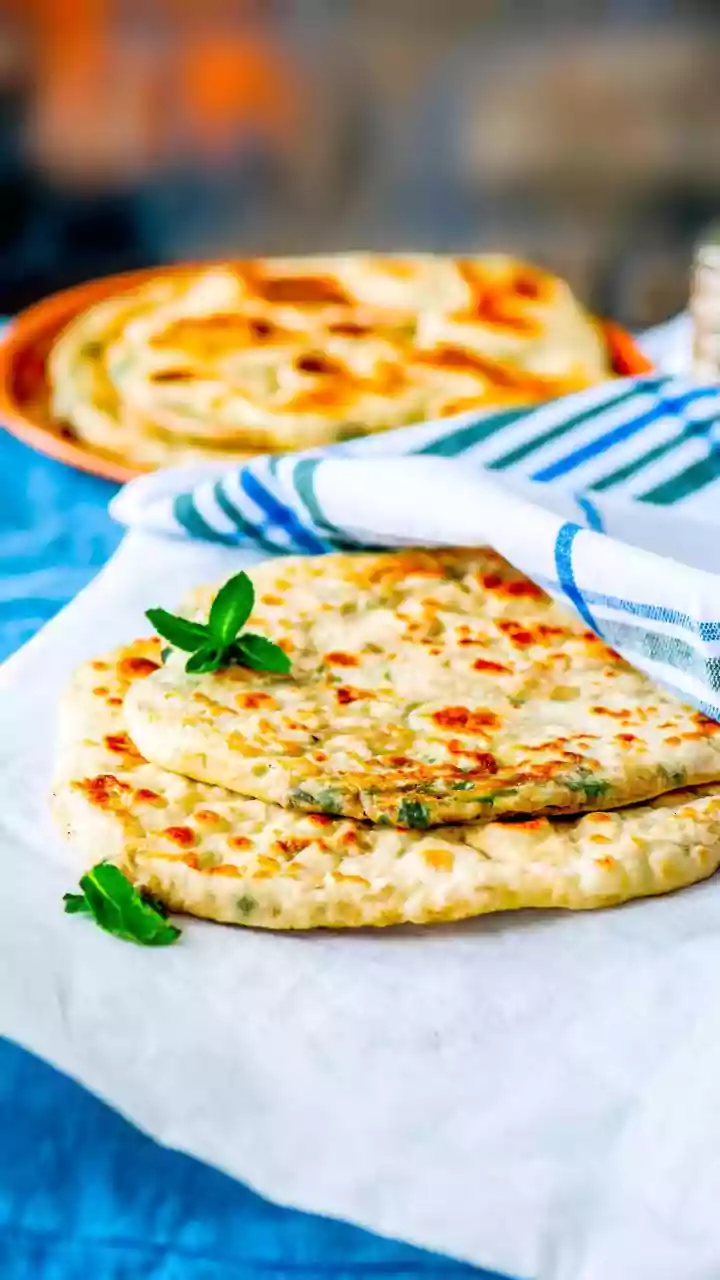
For generations, festive food in India has been about more than just sustenance; it’s a language of love, community, and cultural memory. Dishes like Puran Poli, Undhiyu, and Sarson da Saag are not just recipes but rituals passed down through families.
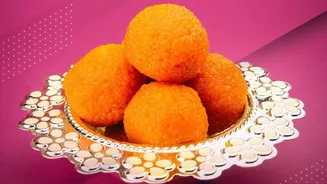
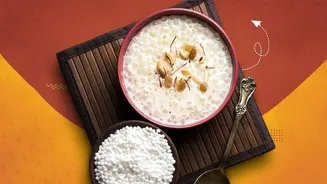
These foods carry the emotional weight of celebrations, with specific sweets and savouries tied to festivals like Diwali, Holi, and Pongal. The comfort they provide is rooted in familiarity—the taste of a perfectly made laddoo or a bowl of kheer is a direct link to childhood and shared joy. This deep-seated connection is why, even as tastes evolve, the core of festive cooking remains anchored in tradition. The majority of urban Indians still prefer traditional sweets for festive gifting, valuing cultural memory over other alternatives.
A Dash of the Unfamiliar
Alongside the cherished classics, a new culinary narrative is emerging. Home cooks and professional chefs are increasingly experimenting, giving traditional dishes a contemporary twist. This isn't about replacing the old but enhancing it with new ideas, textures, and flavours. The trend is driven by several factors: growing health consciousness, increased exposure to global cuisines, and a desire for novelty. As chef Sanjeev Kapoor notes, the key is to make sensible changes without losing the soul of the dish. This philosophy is leading to creative yet respectful innovations that keep festive food exciting and relevant for a new generation.
Sweet Innovations and Fusion Flavours
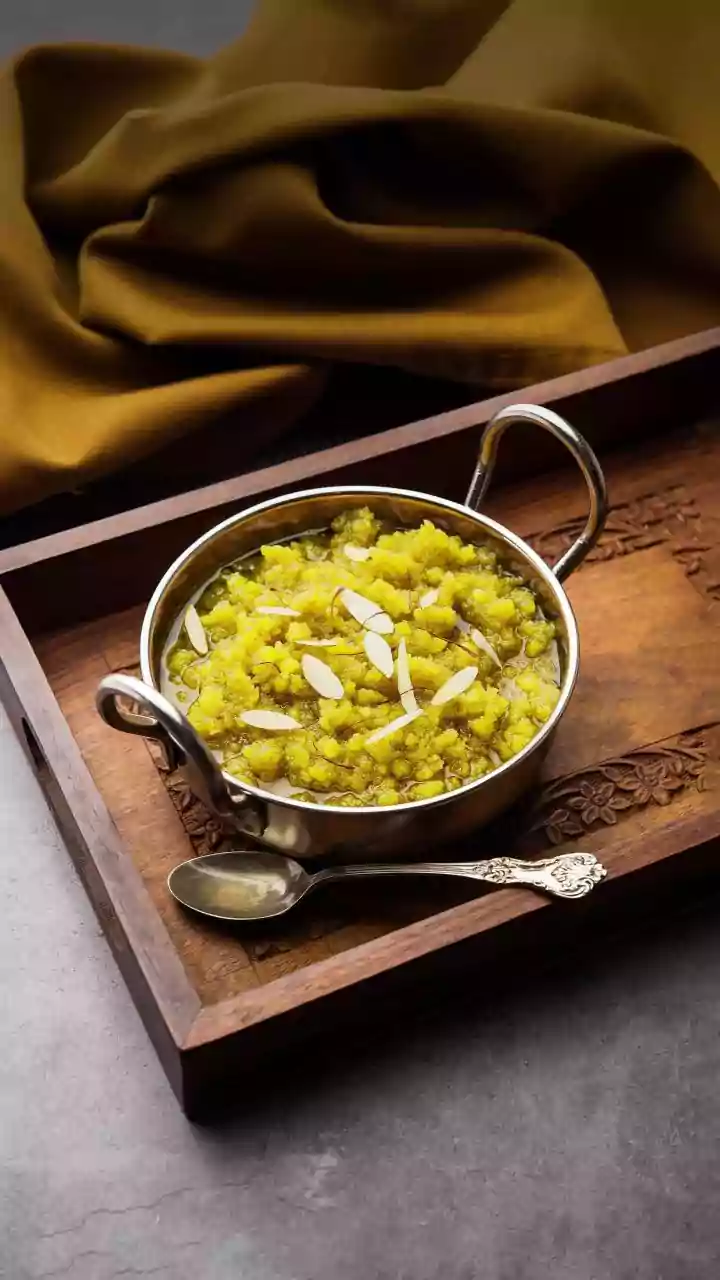
The dessert table is where this trend is most visible. Traditional mithai is being reimagined with global influences and techniques. We now see creations like Rasmalai Tiramisu, Gulab Jamun Cheesecake, and Cardamom Crème Brûlée, which blend Indian aromatics with Western dessert formats. Even classic recipes are getting subtle upgrades. Think of laddoos infused with blueberry or paan and gulkand, or a Badam Halwa filling inside a French croissant. These fusion desserts offer the comfort of familiar flavours in a modern, often visually striking, format that satisfies both nostalgic cravings and a desire for something new.
Savoury Surprises and Healthier Swaps
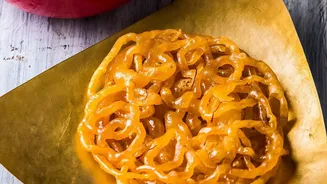
The innovation isn't limited to sweets. Savoury festive staples are also getting a makeover. Chefs are transforming dishes like Dal Dhokli into a refined tagliatelle with kokum dal or presenting Ghewar as a contemporary chaat. Health consciousness is also playing a significant role. There is a growing movement towards lighter cooking methods and ingredient swaps that don't compromise on taste. For instance, many are opting for baked or air-fried versions of traditionally deep-fried snacks like gujiyas and samosas. Ingredients like millets, makhana (foxnuts), and quinoa are being incorporated into festive meals, offering more fibre and nutrients while maintaining the celebratory spirit. This shift proves that festive indulgence and mindful eating can go hand in hand.
The Modern Festive Plate
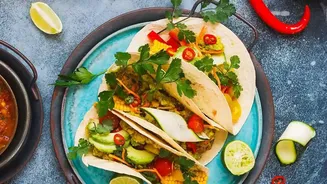
Ultimately, the evolution of Indian festive cooking reflects a broader cultural shift. It showcases a confident generation that respects its roots while embracing a global outlook. The modern festive plate is a beautiful blend of memory and creativity. It might feature a traditional curry alongside a quinoa salad, or a classic mithai next to a fusion dessert. This approach allows for personal expression and caters to diverse palates within a single family. It’s a celebration of where we come from and where we are going, proving that the heart of festive food lies not in rigid adherence to recipes, but in the joy of sharing a meal made with love—however it's prepared.