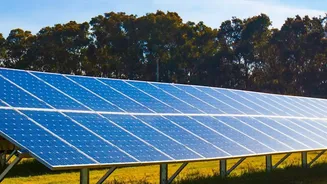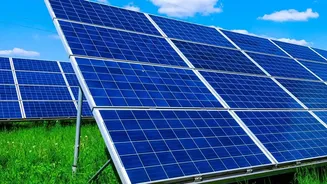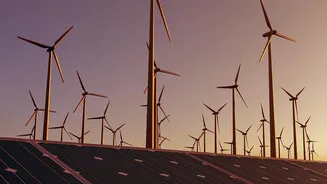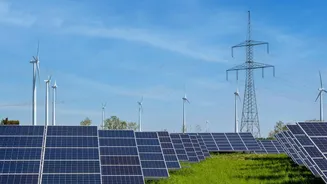





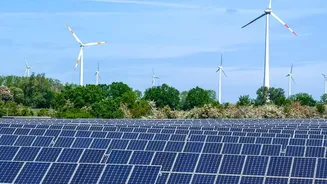


India faces a dual challenge: producing enough food for its growing population and generating clean energy to power its development. A groundbreaking solution called agrivoltaics is tackling both by turning farms into power plants.
A Dual-Use Land Solution
Imagine a farm where
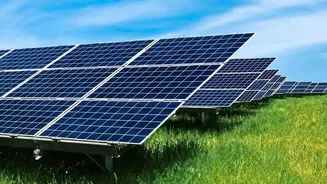
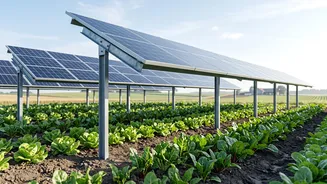
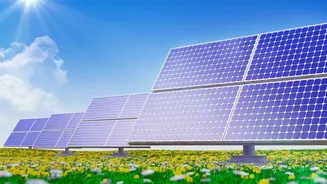
crops grow under the partial shade of solar panels mounted high above the ground. This is the core concept of agrivoltaics, also known as agro-PV. Instead of choosing between using land for agriculture or for solar energy, this innovative approach combines them. By elevating solar panels on structures typically 3 to 4 metres high, farmers can continue to cultivate their land, even using machinery like tractors for ploughing and harvesting underneath. This strategy addresses the immense pressure on land in India, allowing a single plot to produce both food and clean electricity, a concept being actively explored by institutions like the Central Arid Zone Research Institute (CAZRI) in Jodhpur.
The Science of Shade and Water Savings
The primary benefit of this system is its impact on the local microclimate, especially concerning water. The solar panels cast partial shade on the crops and soil below. This shade lowers the ambient and soil temperature, which in turn reduces the rate of two key processes: evaporation from the soil surface and transpiration from the plant leaves. This combined water loss, known as evapotranspiration, is a major challenge in hot and arid regions. By mitigating it, the soil retains moisture for longer periods. Field studies have shown that this shading effect can lead to significant water savings, with some estimates suggesting a reduction in water use by up to 30%. For farmers in water-scarce areas, this conservation is a critical advantage.
Beyond Water: A Cooler, Kinder Microclimate
The benefits of the microclimate created by agrivoltaics extend beyond just saving water. The shade from the panels provides a buffer against extreme weather, protecting sensitive crops from the scorching intensity of direct sunlight, especially during peak afternoon hours. This reduction in heat stress can lead to healthier plants. For certain shade-tolerant crops like leafy greens, herbs, and some vegetables, the cooler conditions can even improve quality and yield. Furthermore, the physical structures can act as a shield against damaging weather events like heavy rainfall or hailstorms, adding a layer of climate resilience to the farm.
Impact on Crops and Farmer Income
A common question is whether the shade negatively affects crop yields. While the panels do block a portion of sunlight, the outcome is not always negative. Research shows that for many shade-tolerant crops, the benefits of reduced water and heat stress can offset the lower light levels, resulting in stable or sometimes even improved yields. The key is selecting the right crops for the specific conditions. The economic equation is even more compelling. Agrivoltaics provides farmers with a crucial second stream of income from selling the generated electricity to the grid, often facilitated by government schemes like PM-KUSUM. This diversification can transform a farm's profitability, providing a stable revenue source independent of crop success.
Challenges on the Road Ahead
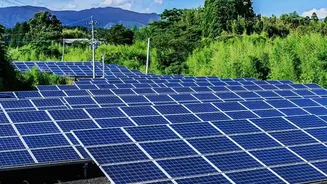
Despite its immense potential, the path to widespread adoption of agrivoltaics in India has obstacles. The primary barrier is the high upfront cost; the elevated structures make these systems 25–30% more expensive than conventional ground–mounted solar projects. For India's small and marginal farmers, this investment is often out of reach without significant financial support. There are also technical challenges, such as ensuring the structures allow for free movement of farm machinery and designing systems suited to India's diverse agro–climatic zones. Moreover, a clear policy framework is needed to address issues like land reclassification and to ensure farmers retain their agricultural benefits and control over their land.