




The Kitchen Counter Comes to Cosmetics
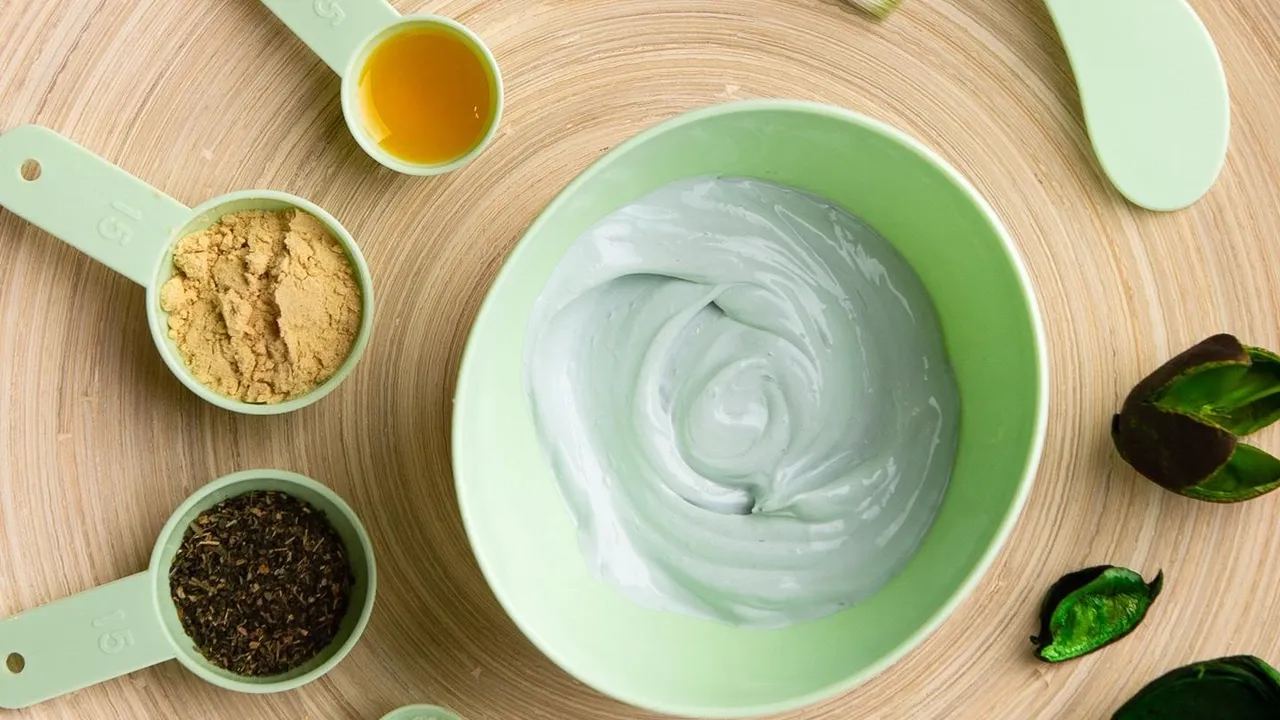
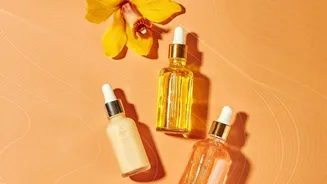
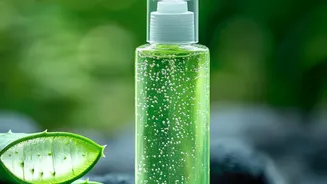
The phenomenon, sometimes called "kitchen beauty," is one of the fastest-growing trends in the cosmetics industry. It’s a world where skincare products sound less like chemical compounds and more like a recipe for a healthy breakfast. Brands have embraced
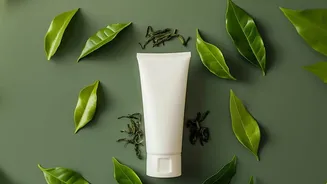
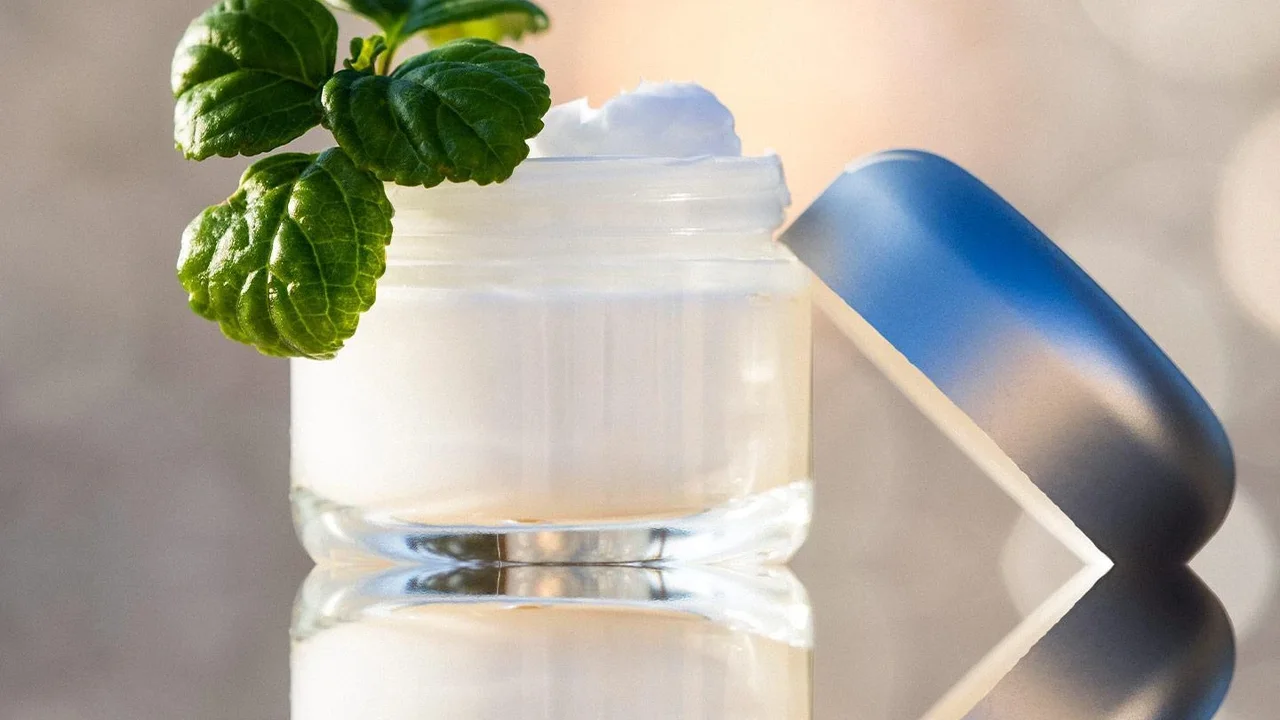
this, with products that feature everything from avocado and green tea to papaya and chia seeds. This isn't just about adding a single ingredient; it's about building an entire aesthetic around the freshness and wholesomeness of food. You'll find 'superfood' collections designed to be a "recipe for glowing skin" and cleansers that boast the antioxidant power of leafy greens. This shift caters to a consumer who is increasingly interested in recognizable, natural ingredients. The thinking is simple: if it’s healthy enough to eat, it must be safe and beneficial for your skin.
A Hunger for 'Clean' and 'Natural'
At its heart, this trend is powered by the broader wellness movement and the consumer demand for “clean” products. For years, shoppers have been inspecting food labels for artificial ingredients and chemicals. Now, that same scrutiny is being applied to personal care products. The use of food ingredients is a powerful marketing shortcut for brands to signal safety, purity, and transparency. Words like 'superfood,' 'fresh,' and 'cold-pressed' evoke a sense of natural efficacy that complex chemical names often can't. It taps into a deep-seated belief that nature holds the key to health, a concept that has expanded from our diets to our entire lifestyle. This desire for beauty from the inside out and the outside in has created a powerful convergence of the food and beauty industries.
More Than Just an Ingredient List
This goes beyond simply adding fruit extracts to a formula. Brands are now adopting the entire sensory experience of food. We're seeing dessert-inspired fragrances, makeup palettes that smell like popcorn, and lip glosses mimicking everything from candy swirls to cookie butter. This strategy is about creating an emotional connection through comfort, nostalgia, and indulgence. In a world of economic uncertainty, these "snackable" beauty products offer a small, affordable luxury that feels good. For younger generations like Gen Z, this trend also feeds into a desire for personalization and shareable experiences, with brands even encouraging users to create their own 'recipes' by layering different food-scented products.
Is It All Just Marketing Hype?
While the idea of nourishing your skin with superfoods is appealing, it’s important to maintain a healthy dose of skepticism. Experts point out that there's a significant difference between eating a nutrient-rich food and applying it to your face. The effectiveness of these food ingredients in skincare depends heavily on their concentration and, crucially, the formulation that delivers them into the skin. Skin can't always extract the key active ingredients from raw foods in the same way our digestive system can. While many food-derived ingredients like vitamin C from berries or the soothing properties of oats have proven benefits, the presence of a trendy food on the label doesn't automatically guarantee results. The term 'superfood' itself has no scientific or regulated definition, making it a powerful but sometimes vague marketing tool.