





Every December, the hills of Nagaland come alive with the sound of log drums and warrior chants. This is the Hornbill Festival, the 'Festival of Festivals', and a breathtaking cultural spectacle. Here’s what you need to know to plan your visit.
Understanding the 'Festival of Festivals'
Started
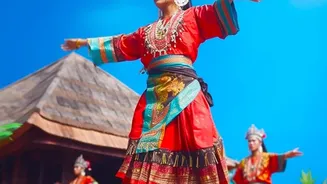
in 2000 by the Nagaland government, the Hornbill Festival was created to promote and preserve the rich cultural heritage of the state's diverse ethnic groups. Named after the revered forest bird that features heavily in local folklore, the festival brings all of Nagaland's major tribes together in one place. For ten days, it's an extraordinary showcase of traditional dances, indigenous sports, vibrant costumes, local arts, and authentic food, offering visitors an unparalleled immersion into Naga life.
Mark Your Calendar: Dates and Venue
The Hornbill Festival is consistently held from December 1 to December 10 every year, and the 2026 edition is scheduled for these dates. The event's home is the Naga Heritage Village in Kisama, a purpose-built venue about 12 kilometres from the state capital, Kohima. While the main cultural events happen at Kisama during the day, the festivities often extend into the evenings with a lively night bazaar and music festival in Kohima town.
The Essential Paperwork: Securing Your Permit
Planning a trip to Nagaland requires some paperwork. All domestic tourists from outside the state must obtain an Inner Line Permit (ILP). This can be easily applied for online through the official Nagaland ILP portal for a fee, and it's typically valid for 30 days. Foreign tourists are generally exempt from needing a Protected Area Permit (PAP) but must register with the Foreigner's Registration Office (FRO) in the district they visit. However, rules can change, so it's crucial to verify the very latest permit requirements with official sources before you travel.
Travel and Accommodation: Plan in Advance
The main gateway to Nagaland is Dimapur, which has the state's only airport and major railway station. From Dimapur, it's a scenic but winding 2.5 to 3-hour taxi ride to Kohima. During the festival, special shuttle buses and shared taxis run between Kohima and the Kisama venue, which is the most convenient way to travel. Accommodation is the single most critical part of planning. Hotels in Kohima, homestays in nearby villages like Kigwema, and special festival campsites fill up months in advance. Options range from luxury camps with butler service to budget-friendly tents. Booking your stay as early as possible is highly recommended.
Inside the Festival: What Not to Miss
The heart of the festival is at the main arena in Kisama, which hosts a rolling programme of cultural performances from around 10 AM to 3:30 PM daily. A must_do is exploring the 'morungs', which are life_sized traditional houses representing each Naga tribe. Here, you can interact with elders, see artisans at work, and witness unique customs. Don't miss the chance to sample authentic Naga cuisine at the numerous food stalls, known for smoked meats and bamboo shoot delicacies. The evenings come alive with the Hornbill International Music Festival and the crafts bazaar is perfect for buying handwoven shawls and tribal art directly from the makers.
Practical Tips for a Great Experience
December in the Naga Hills is cold, so pack warm, layered clothing, especially for the evenings when temperatures can drop significantly. Comfortable walking shoes are essential, as you'll be on your feet for most of the day exploring the sprawling festival grounds. While some larger stalls may accept digital payments, network connectivity can be patchy, so carrying enough cash is crucial for food and shopping. Traffic between Kohima and Kisama can be heavy, so plan to leave early in the morning to make the most of your day. Most importantly, always ask for permission before taking photographs of people.