






The Creamy Foundation: Coconut
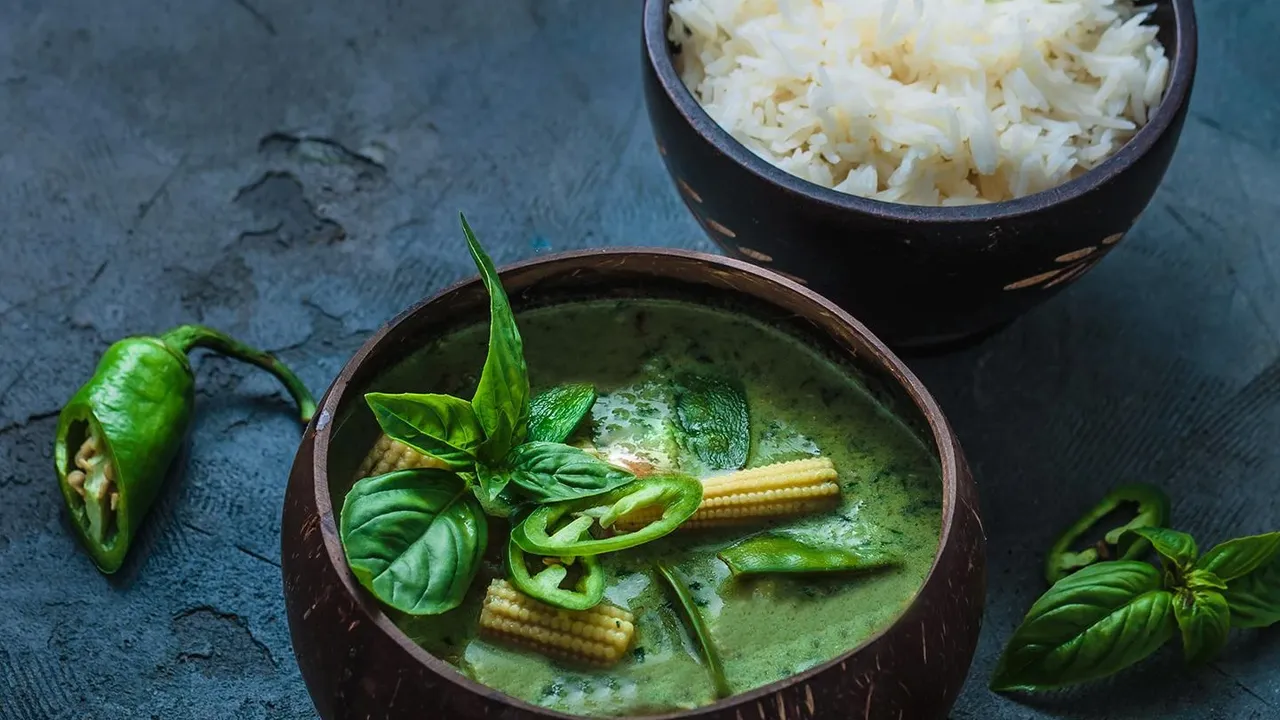
Coconut is the heart of many South Indian vegetarian dishes, providing a rich, creamy base that beautifully balances spice and tang. Forget heavy creams; coconut milk adds a subtle sweetness and a luscious texture that is both comforting and light. Full-fat
canned coconut milk is your best friend for curries and stews, as it creates a thick, flavourful sauce. For a good curry, the fat in the coconut milk helps carry the flavours of the spices throughout the dish, making it more aromatic and well-rounded. Beyond milk, you can use desiccated or freshly grated coconut to add texture and a nutty flavour to vegetable stir-fries (known as 'poriyal') or as a garnish. Coconut oil is also an excellent choice for cooking, infusing your entire dish with its signature fragrance right from the start.
The Tangy Counterpoint: Tamarind
If coconut provides the creamy body, tamarind delivers the bright, sour punch that makes flavours pop. This sour fruit pulp is a key souring agent in Indian cuisine, cutting through richness and adding a complex, fruity tang. You'll most often find it sold as a concentrated paste in a jar or as a dense, sticky block. While the paste is convenient, making your own from a block is simple: just soak a piece in hot water for about 20-30 minutes, mash it with your hands, and strain the pulp to get a liquid. A little goes a long way. Start by adding a teaspoon to your lentil dishes (like 'sambar' or 'rasam'), vegetable curries, or chutneys. It pairs wonderfully with the sweetness of coconut milk, creating a classic sweet-and-sour profile that is the hallmark of many beloved dishes.
The Aromatic Hero: Curry Leaves
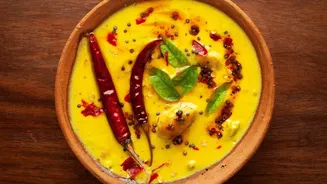
Often confused with curry powder, curry leaves are a fresh herb with a completely unique identity. They don't taste like a pre-made spice blend; instead, they release a wonderfully complex, nutty, and slightly citrusy aroma when cooked. Their flavour has been described as having notes of anise, citrus, and a faint peppery bite. Curry leaves are not typically eaten as the main component but are used to infuse flavour into a dish. The most common way to use them is in a 'tadka' (or tempering). This involves briefly frying whole spices like mustard seeds and cumin seeds in hot oil or ghee to release their essential oils, with curry leaves added for their incredible fragrance. This aromatic oil is then poured over a finished dish, like a dal or vegetable stew, as the final, transformative touch. Frying the leaves mellows their bitterness and unlocks a rich, savoury character.
Putting It All Together: An Easy Dinner Idea
Now, let's combine these three power players. Imagine a simple weeknight vegetable curry. Start by sautéing onions, ginger, and garlic. Add your favourite vegetables—like potatoes, carrots, and green beans—along with a can of full-fat coconut milk and a splash of water. Let this simmer until the vegetables are tender. In a separate small pan, create your tadka. Heat a tablespoon of oil, add a teaspoon of mustard seeds and wait for them to pop. Then, toss in a sprig of fresh curry leaves (about 10-12 leaves) and let them sizzle for about 30 seconds until fragrant. Pour this entire aromatic oil mixture into your curry. Finally, stir in a teaspoon of tamarind paste to brighten everything up. Simmer for another minute or two, and you have a beautifully balanced, restaurant-quality curry ready for your dinner table. Serve hot with steamed rice.