





The Old School vs. The New School
The traditional path to recovery was passive. After a tough match or a hard workout, you’d stop all activity, believing complete rest was the fastest way to heal. This is passive recovery: minimal movement, letting the body do its thing on its own time.
The new model, active recovery, turns that idea on its head. It involves low-intensity exercise performed after a strenuous session or on a rest day. This isn't another punishing workout; it's gentle, purposeful movement like a light jog, a swim, or a yoga session, designed to help the body repair itself more efficiently.
What Really Causes Soreness
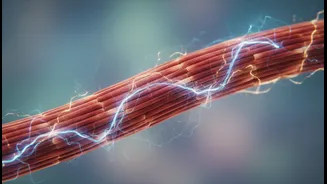
For years, the enemy was thought to be lactic acid. The burning sensation and next-day soreness were blamed on its buildup in the muscles. Science now shows this is a misconception. While active recovery does help clear metabolic byproducts like lactate and hydrogen ions from your muscles faster than passive rest, the primary cause of that tell-tale ache known as Delayed Onset Muscle Soreness (DOMS) is something else. Intense exercise creates microscopic tears in your muscle fibers, which leads to inflammation and soreness as they heal. The goal of good recovery is to manage this process effectively.
The Science of Moving to Heal
So, why is gentle movement better than staying still? The magic is in your blood. Active recovery increases circulation, which is crucial for healing. This enhanced blood flow acts like a delivery service, bringing oxygen and essential nutrients to your damaged muscle tissues to help them repair and rebuild. Simultaneously, it works as a waste disposal system, more effectively flushing out the metabolic byproducts that contribute to muscle fatigue and stiffness. The result is that you feel less sore, less stiff, and are ready for your next training session sooner.
Putting Active Recovery into Practice
Incorporating active recovery into your routine is straightforward. The key is to keep the intensity low, typically around 30-60% of your maximum heart rate. It should feel light and restorative, not taxing. Immediately after a workout, this could be a 10-minute cooldown walk or a gentle cycle. On a dedicated rest day, you could opt for a 30-minute swim, a relaxed yoga class, or some light mobility drills with a foam roller. The activity should be different from your main sport to avoid repetitive strain. This cross-training approach not only aids recovery but can also improve overall fitness and prevent burnout.
It’s Not an All-or-Nothing Choice
Embracing active recovery doesn't mean passive rest is obsolete. There are times when complete rest is exactly what your body needs. If you are dealing with an injury, significant fatigue, or mental exhaustion, a day of true rest is essential for healing and preventing overtraining. The modern approach to recovery is about listening to your body. On days when you feel sore but have energy, active recovery is your best bet. When you feel genuinely drained or are in pain, passive rest takes priority. The smartest athletes learn to balance both.