






In a world facing economic headwinds, the International Monetary Fund (IMF) has singled out India as a bright spot, upgrading its growth forecast. The reason for this optimism isn't external factors, but the nation's own internal strength.
A Significant Upgrade
The IMF has
raised its growth projection for India for the fiscal year 2026-27 to 7%, a notable increase of 0.6 percentage points from its previous forecast in July. This revision places India among the fastest-growing major economies globally, a position it's expected to hold even as other nations see their outlooks soften due to geopolitical tensions and rising energy prices. The fund attributed the upgrade to stronger-than-expected economic momentum, which has proven resilient despite global uncertainties. For the following year, FY28, the growth is also projected to hold strong at 7%.
The Engine: Domestic Demand
The core driver behind this positive revision is what economists call 'firm domestic demand'. In simple terms, this means that Indians and Indian companies are buying, consuming, and investing within the country at a robust pace. This internal economic activity has two main pillars: private consumption and investment. Private Final Consumption Expenditure (PFCE), which measures spending by individuals and households, has been a significant contributor, accounting for a large share of the GDP. This spending is fuelled by factors like relatively stable employment, increased incomes, and a strong services sector.
Investment Steps Up
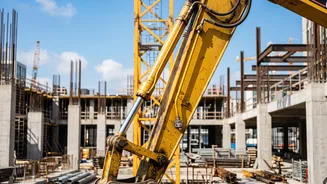
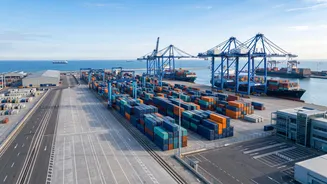
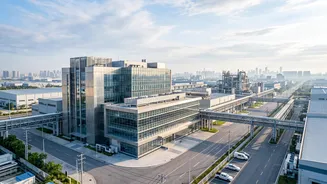
It's not just about household shopping. The other crucial component is a revival in investment activity, both from the government and, increasingly, the private sector. For years, public capital expenditure (capex) on infrastructure like roads and ports has been a key growth driver. Now, there are encouraging signs that private companies are also starting to invest more heavily in creating new factories and expanding capacity, particularly in sectors like cement, steel, and electricity. This 'capex cycle' creates jobs and has a ripple effect, stimulating demand across various supply chains and further strengthening the economy's foundations.
Services and Reforms Lend Support
Alongside consumption and investment, India's robust services sector continues to be a pillar of strength. The IMF also notes that structural reforms, an expanding domestic market, and favourable demographics contribute to a stronger growth potential for the medium term. Statements from IMF officials, such as Krishna Srinivasan, Director of the Asia and Pacific Department, have highlighted that India entered the recent period of global shocks with strong fundamentals, including fiscal prudence, which has helped it respond well to challenges. The country's expanding digital infrastructure is another factor enabling more efficient business and consumer transactions.
Navigating Global Risks
Despite the optimistic outlook, India is not entirely immune to global pressures. The IMF report warns that risks remain, particularly from high and volatile energy prices, as India is a major oil importer. Global economic slowdown and geopolitical conflicts also pose potential threats that could impact demand and investor sentiment. Recently, IMF officials also pointed to weather-related risks, such as a potential Super El Niño, which could affect agriculture and lead to higher food prices, although these risks have not yet materialized. However, the strong domestic base provides a substantial cushion, making the economy less dependent on global trends than many others.