


Why Fresh Soil Is So Important
Think of potting soil as a pantry for your plant. When it's fresh, it's stocked with all the nutrients your plant needs to thrive. But over time, typically within a year or two, this pantry runs bare. Every time you water, some nutrients are washed away.
As the plant grows, it consumes the rest. Beyond nutrition, soil structure breaks down. What was once light and airy becomes dense and compacted. This compaction reduces air pockets around the roots, making it harder for them to breathe and absorb water, potentially leading to root rot. Additionally, mineral salts from tap water and fertilizers can build up, harming the plant. A soil refresh addresses all these issues, providing a revitalized environment without necessarily needing more space.
Signs Your Plant Needs a Refresh, Not a Resize
Your plant will often tell you when its soil is depleted. One of the most common signs is slowed or stalled growth, even during the growing season. You might also notice the lower leaves turning yellow and dropping off, which can be a sign of nutrient deficiency. Another key indicator is how the soil behaves when you water it. If water seems to run straight through and out the drainage hole, or if the soil has become hard and pulled away from the sides of the pot, it has likely become compacted and hydrophobic, meaning it repels water instead of absorbing it. If your plant looks generally unhealthy but you inspect the roots and they aren't tightly wound or filling the entire pot, a soil refresh is the perfect solution.
The Hidden Danger of a Pot That's Too Big
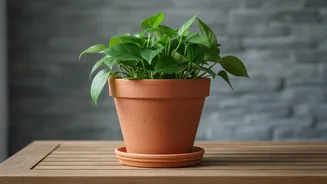
The common impulse to always size up can backfire. This is a condition known as "overpotting." When a small root system is placed in a very large pot, the excess soil holds onto moisture for far too long. The plant's roots are unable to absorb all that water, leaving them sitting in a damp, soggy environment that lacks the oxygen they need to survive. This is the perfect recipe for root rot, a fungal disease that can quickly kill a healthy plant. As a general rule, you should only move up to a pot that is about 1-2 inches larger in diameter than the previous one, and only when the plant is truly root-bound.
How to Refresh Soil in the Same Pot
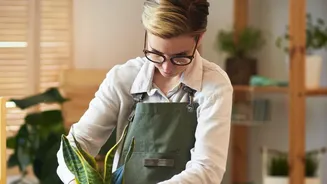
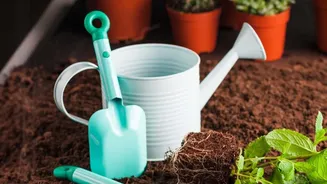
Ready to give your plant a new lease on life? The process is simple. First, gently remove the plant from its pot. You may need to squeeze the sides of a plastic pot or run a knife around the edge to loosen it. Once it's out, gently shake and massage the root ball to remove as much of the old, depleted soil as you can, aiming to get rid of about one-third to one-half of the old medium. This is also a good time to inspect the roots. If you see any that are black, mushy, or circling tightly, you can trim them with clean scissors. Before adding the plant back, clean the pot to remove any mineral buildup or potential pathogens. Place a layer of fresh, high-quality potting mix in the bottom of the pot, position your plant back inside, and fill in around the sides with more fresh soil, gently firming it down. Water thoroughly and your plant is good to go.
Knowing When a Bigger Pot Is Actually the Answer
Of course, sometimes a bigger pot is exactly what's needed. The most obvious sign is a plant that has become "root-bound," meaning its roots have filled the entire pot and are densely coiled. You may see roots growing out of the drainage holes at the bottom. Another sign is a plant that needs to be watered much more frequently than it used to because there isn't enough soil left to retain moisture. If you remove the plant and see more roots than soil, it's time to graduate to a larger container. By choosing a pot that is just slightly larger, you give the roots room to expand without the risk of overpotting.