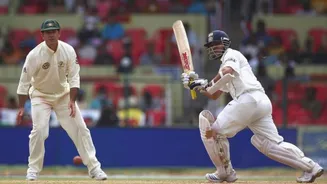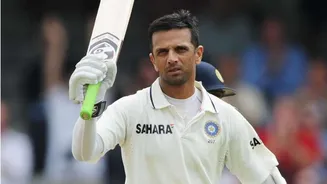

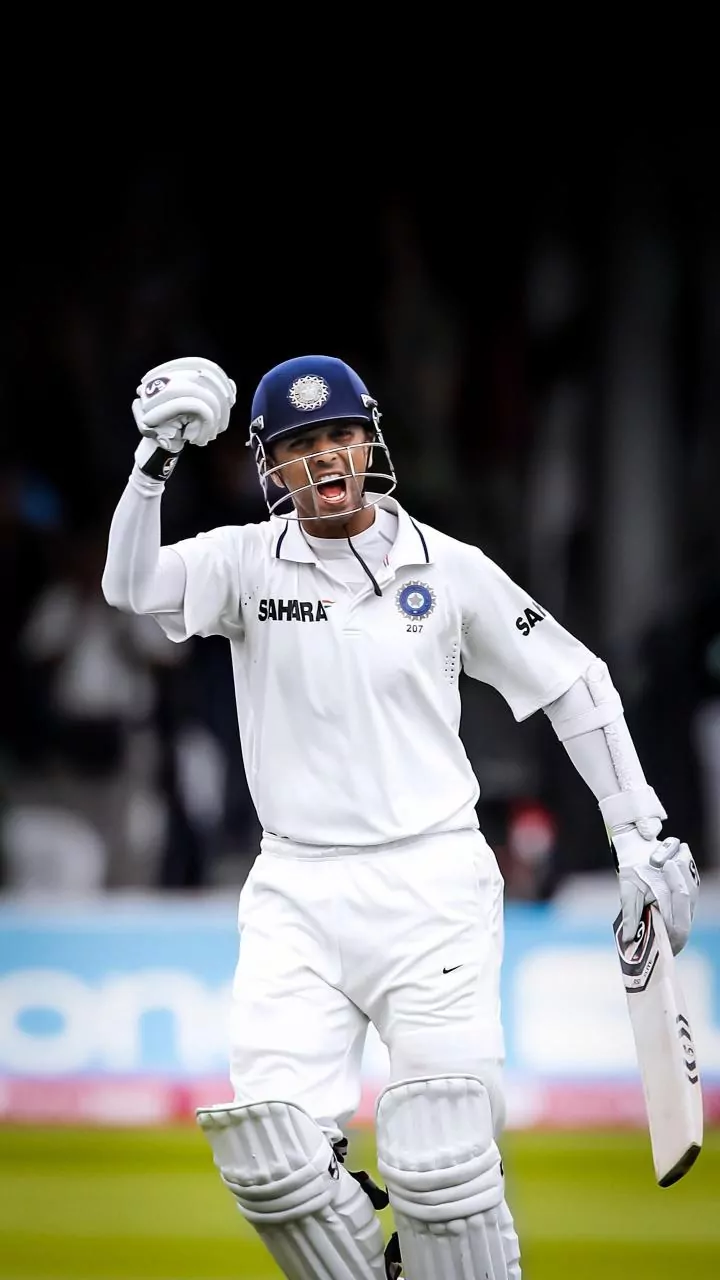



In Indian cricket, few stories carry the weight of 'what could have been' quite like Vinod Kambli's. A prodigious talent once destined to rival his friend Sachin Tendulkar, his journey from a dazzling rise to a swift fall is a cautionary tale.
The Stuff of Legends
Before he
was an international star, Vinod Kambli was a Mumbai schoolboy making history. Alongside his childhood friend Sachin Tendulkar, he grabbed national attention with a world-record 664-run partnership in a Harris Shield match in 1988. Kambli’s contribution was a mammoth 349 not out. Coached by the legendary Ramakant Achrekar, the duo were seen as the future of Indian batting. Kambli, the flamboyant left-hander, was often considered the more naturally aggressive and gifted of the two. His entry into domestic cricket was just as dramatic, hitting a six off the first ball he faced in the Ranji Trophy. The stage was set for a career of epic proportions.
An Explosive International Arrival
When Kambli made his Test debut in 1993, he didn't just knock on the door; he blew it off its hinges. In just seven Tests, he amassed 793 runs, including two centuries and two back-to-back double centuries against England and Zimbabwe. He became the fastest Indian to reach 1,000 Test runs, a record that still stands. His Test batting average soared to an incredible 54.20. With a swagger at the crease and an appetite for big scores, Kambli looked unstoppable. It seemed certain that he and Tendulkar would dominate world cricket for the next decade. His talent was undeniable, and his initial success was breathtaking.
The Beginning of the End
Despite the phenomenal start, Kambli’s Test career was shockingly brief. He played his last Test match in 1995, at the age of just 23. Opposing teams began to exploit a perceived technical weakness against short-pitched bowling. But the issues ran deeper than technique. Whispers about a lack of discipline and a flamboyant lifestyle grew louder. His focus was questioned, and his temperament seemed at odds with the immense pressures of international cricket. Unlike Tendulkar, who was known for his monk-like dedication, Kambli was seen as a 'razzmatazz' character who perhaps enjoyed the fruits of fame a little too much. These factors contributed to a loss of form, and he was soon dropped from the Test side.
A Revolving Door in ODIs
While his Test career was over, Kambli remained in contention for the One-Day International (ODI) team for several more years. However, his place was never secure. Between 1991 and 2000, he made a staggering nine comebacks into the Indian side. His ODI career ended when he was just 28. One of the most enduring images of his career is him walking off the field in tears after India forfeited the 1996 World Cup semi-final against Sri Lanka. Years later, he controversially alleged the match might have been fixed, a claim that alienated him from parts of the cricketing fraternity. This cycle of being in and out of the team prevented him from ever finding a consistent rhythm again.
Life After the Limelight
Kambli's post_cricket life has been marked by personal and financial struggles. He dabbled in acting and appeared on reality television shows, but stability proved elusive. Over the years, reports have detailed his significant financial hardships, with the former star once surviving on a modest pension from the BCCI. His health has also been a major concern, with a heart attack in 2013 and more recent reports of serious neurological issues and struggles with alcohol. In recent times, videos showing his frail health have drawn widespread concern and sympathy from fans who remember his explosive batting.