
The Brilliant Evening Star
Venus often carries the nickname “the Evening Star” for a simple reason: it is one of the first and brightest objects to appear after sunset. It doesn't produce its own light; its dazzling appearance is due to its thick, highly reflective clouds which
bounce about 70% of the Sun’s light back into space. This August is a prime month for viewing because Venus is reaching its greatest elongation, meaning its farthest point from the Sun in our evening sky. This makes it shine brightly in the west, high above the horizon, for a generous period after the Sun goes down, making it an unmissable sight for stargazers across India.
When and Where to Look
Spotting Venus is wonderfully simple, requiring no special equipment. Start looking about 30 to 45 minutes after your local sunset. Face west—the direction where the sun just set—and scan the sky. You cannot miss Venus; it will be the brightest object in that part of the sky, shining with a steady, silvery light. Throughout the latter half of August, you might also spot the bright star Spica nearby, and on certain evenings, the crescent Moon will pass close to the planet, creating a beautiful celestial trio. Using a stargazing app on your phone can help you pinpoint its exact location, but honestly, your eyes are all you really need for this one.
What You're Actually Seeing
While it looks serene from afar, Venus is anything but. Often called Earth’s “evil twin” because of its similar size, the planet is one of the most inhospitable places in the solar system. Its surface temperature is a scorching 465°C, hot enough to melt lead. This extreme heat is caused by a runaway greenhouse effect, thanks to a thick, toxic atmosphere made mostly of carbon dioxide with clouds of sulfuric acid. The atmospheric pressure at its surface is over 90 times that of Earth's. To make things even stranger, Venus spins backwards very slowly. A single day on Venus lasts longer than its entire year, with the Sun rising in the west and setting in the east.
Your Simple Stargazing Kit
The best part about observing Venus is its accessibility. You don't need an expensive telescope. In fact, the planet is so bright that it is best appreciated with the naked eye. If you happen to have a pair of binoculars, however, you might be in for a treat. Because Venus is closer to the Sun than Earth, it goes through phases, just like our Moon. In August 2026, binoculars might reveal Venus as a tiny, half-lit disk. For the most comfortable viewing, find a spot away from the direct glare of city streetlights. Give your eyes about 15-20 minutes to adjust to the darkness; this will make the planet appear even more brilliant and help you spot other stars in the vicinity.
Other Sights in the August Sky
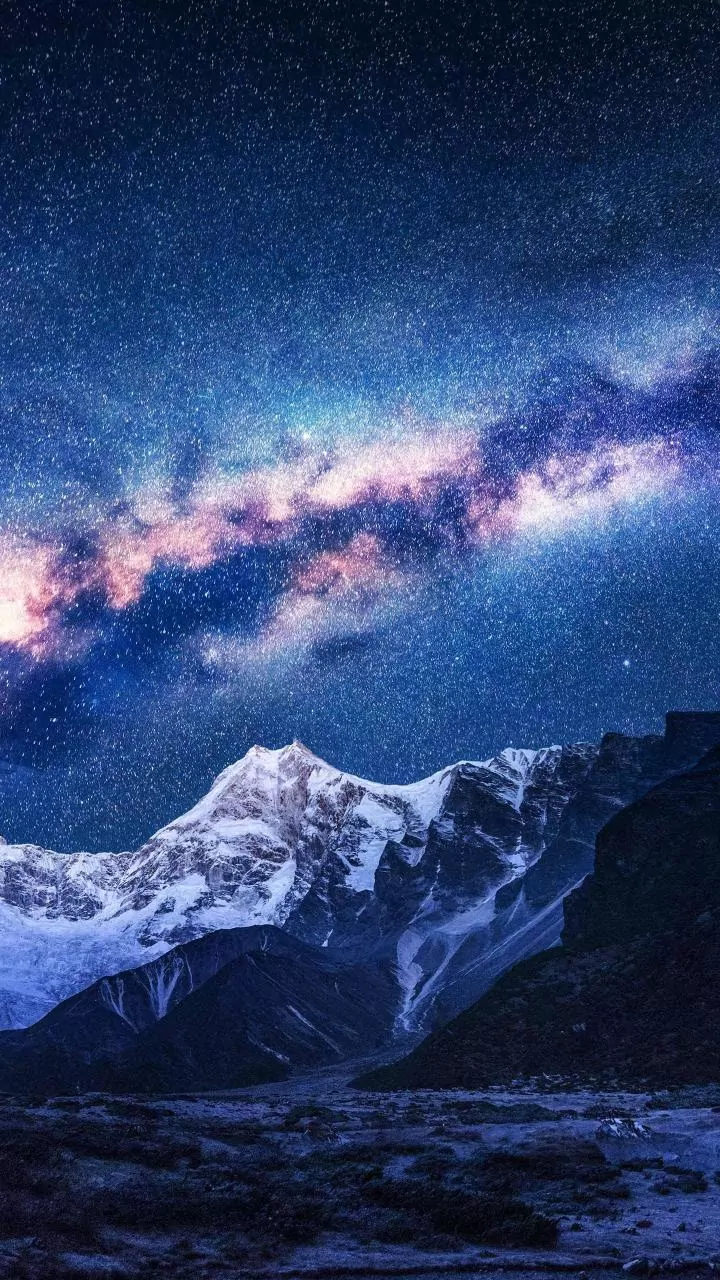
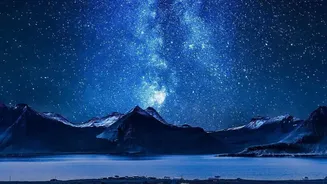
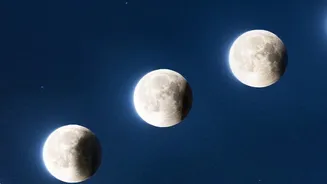
Once you've found Venus, don't stop there. August 2026 has other celestial offerings. The ringed planet Saturn is also making an appearance, rising in the east a little after sunset and visible for most of the night. For those in areas with truly dark skies, away from the monsoon clouds that can cover much of India, the majestic band of the Milky Way galaxy arches overhead late at night. Finally, mark your calendar for the night of August 27-28, which will feature a deep partial lunar eclipse. During this event, a large portion of the Moon will pass through Earth's shadow, a sight worth staying up for, depending on your local visibility.