






What is a Ramsar Site?
Imagine a global commitment to protect the world's most important wetlands. That's the core idea behind the Ramsar Convention. Adopted in Ramsar, Iran, in 1971, this international treaty provides a framework for the conservation and 'wise use' of wetlands. A 'wetland'
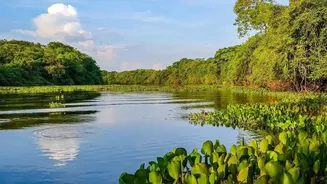
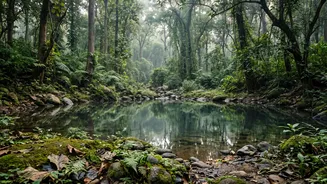
is defined broadly, including everything from marshes, lakes, and rivers to mangroves, coral reefs, and even human-made reservoirs. When a country designates a wetland as a 'Ramsar Site', it formally recognizes its international ecological importance. This isn't just a plaque on a wall; it's a pledge to maintain the site's ecological character, making it part of a global network of over 2,500 protected areas.
India's Newest Wetland Guardians
India has been actively bolstering its network of protected wetlands. In a significant recent move, the country added Sukhna Wetland in Chandigarh and Sauj Jheel in Uttar Pradesh to the prestigious list, bringing India's total number of Ramsar Sites to 103. This expansion underscores a national commitment to preserving these vital ecosystems. Sukhna Wetland, a reservoir at the Himalayan foothills, and Sauj Jheel, a shallow lake in the Gangetic floodplain, are now under a global conservation spotlight. These additions follow a trend of increasing designations, with states like Tamil Nadu leading the country with the highest number of Ramsar sites, showcasing a nationwide push to safeguard India's natural water bodies.
A Lifeline for Weary Travellers
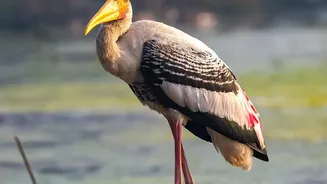
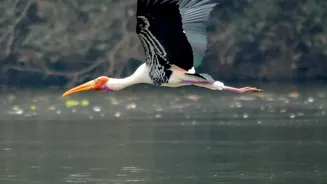
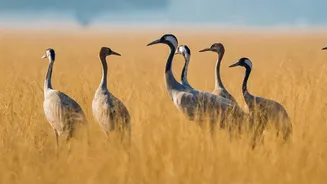
For millions of migratory birds, India is not just a destination but a crucial series of lifelines. Many of these birds travel along the Central Asian Flyway, a massive migratory corridor that connects breeding grounds in the Arctic and Siberia with wintering areas in South and West Asia. Species like the iconic Bar-headed Goose, which flies over the Himalayas, and the vulnerable Sarus Crane depend on India's wetlands as vital stopover points to rest and refuel. Sites like Sukhna Wetland and Sauj Jheel serve as critical habitats, providing the food and shelter necessary for these birds to survive their arduous journeys. The health of these stopover sites is paramount; the degradation of even one link in this chain can jeopardise the entire migration cycle.
The Real Power of a Ramsar Tag
So, how does a Ramsar designation actually safeguard a habitat? The label brings a powerful policy commitment. Firstly, it obligates national governments to develop and implement management plans that ensure the 'wise use' of the wetland, balancing conservation with sustainable human activity. This often translates into stricter regulations against pollution, encroachment, and other destructive activities. Secondly, the designation unlocks access to international expertise, technical support, and potential funding for conservation projects. It also increases scientific monitoring of the site's ecological health. This international recognition elevates a wetland's status, ensuring it receives greater attention in national and local planning, thereby providing a robust defence against environmental degradation.
More Than Just a Bird Sanctuary
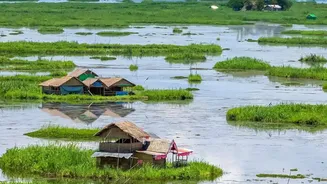
While protecting migratory birds is a primary benefit, the impact of Ramsar sites extends far beyond avian conservation. These wetlands are essential for human survival and well-being. They act as natural sponges, absorbing floodwaters and mitigating the effects of extreme weather events. They also function as natural water purifiers, filtering pollutants and recharging groundwater aquifers, which secures freshwater supplies for nearby communities. Furthermore, healthy wetlands are incredible carbon sinks, playing a vital role in climate change mitigation. By protecting these ecosystems, the Ramsar designation also supports local livelihoods that depend on fishing, agriculture, and the growing potential of eco-tourism.