







The Core Essentials: Your Identity
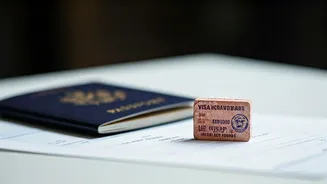
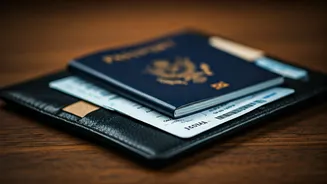
This is the foundation of your application. Every country will require these, so get them in order first. Your primary document is your passport, which must be valid for at least six months beyond your intended return date and have at least two blank
pages. If you have old passports, especially those with previous visas, include them as they show a history of responsible travel. Next, get passport-sized photographs that meet the specific requirements of your destination country—dimensions, background colour, and facial expression all matter. Finally, you have the visa application form itself. Most are now filled online. Complete it with utmost accuracy, as even minor errors can lead to delays or rejections. Always print the final confirmation page.
The Financial File: Proving Your Stability
Consular officers need assurance that you can fund your trip and have a stable financial life to return to. This is where your financial documents are critical. You will need personal bank statements for the last three to six months, stamped and signed by your bank. These statements should show a consistent flow of income and a healthy closing balance. In addition to bank statements, include your Income Tax Returns (ITR) for the last two to three years. For salaried individuals, the last three months' salary slips and a Form 16 are also essential. These documents collectively paint a picture of your financial health and credibility, which is a major factor in the visa decision.
The Itinerary: Justifying Your Trip
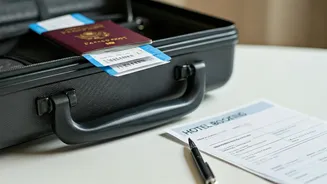
You must clearly explain the purpose of your visit. This starts with a detailed cover letter addressed to the consulate. In it, you should introduce yourself, state the purpose of your travel (tourism, business, visiting family), outline your day-by-day itinerary, and list the documents you are submitting. Support this with proof of travel arrangements. While you don’t always need to purchase non-refundable tickets, you do need confirmed flight reservations showing your entry and exit dates. Similarly, provide hotel booking confirmations for the entire duration of your stay. If you are visiting friends or family, an invitation letter from your host, along with a copy of their passport and residence permit, is required.
The Anchor Documents: Your Ties to India
A key concern for visa officers is ensuring that you intend to return to India after your trip. You must provide strong evidence of your ties to your home country. For employed applicants, a No-Objection Certificate (NOC) from your employer is crucial. This letter, on company letterhead, should state your position, salary, approved leave dates, and confirm that you are expected back at work. If you are self-employed, you will need to provide your business registration documents, company bank statements, and company ITRs. Other documents that demonstrate strong ties include property ownership documents, proof of family connections (like marriage and birth certificates), and evidence of any other significant commitments you have in India.
The Final Touches: Insurance and Other Proof
A few additional documents can complete your visa folder and strengthen your application. Travel medical insurance is mandatory for many countries, particularly in the Schengen Area, with a minimum coverage often specified (e.g., €30,000). Make sure your policy covers the entire duration of your stay. If you have a history of international travel, including photocopies of previous visas (like from the US, UK, Canada) can be beneficial, as it establishes you as a credible traveller. For students, a letter from your college and an ID card are needed, while retirees might show pension statements. Each piece of paper should tell a part of a consistent story: that you are a genuine visitor with the means and intent to follow the rules.