



A Shift in Urban Aesthetics
For decades, the ideal Indian urban garden was often a reflection of foreign landscapes, featuring plants that demanded constant care, copious amounts of water, and specific fertilisers to survive the local climate. This approach, however, is beginning
to feel outdated. Faced with growing water scarcity and busier lifestyles, city dwellers are seeking a smarter, more sustainable way to connect with nature. The trend is shifting from trying to control the environment to working with it. This has sparked a renewed interest in plants that are naturally adapted to India's diverse and often harsh climates, from scorching summers to heavy monsoons.
The Wisdom of Going Native
So, what exactly are native plants? They are species that have evolved in a particular region over thousands of years without human intervention. This long history of adaptation gives them a significant home-ground advantage. They are inherently resilient to local weather patterns, soil conditions, and common pests. As a result, they require significantly less water, little to no chemical pesticides or fertilisers, and generally less maintenance overall. For the urban gardener, this translates to saving time, money, and precious resources like water—a critical consideration in cities facing increasing water stress.
Creating Urban Sanctuaries for Wildlife
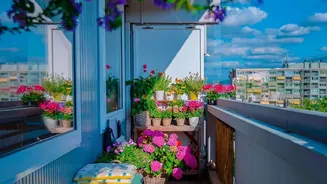
The benefits of native gardening extend far beyond your balcony railing. By planting indigenous species, you are effectively rolling out a welcome mat for local wildlife. Native flowers, fruits, and seeds provide the specific food and shelter that local birds, bees, butterflies, and other pollinators depend on. In contrast, exotic plants often create 'green deserts'—landscapes that offer little to no value for local biodiversity. A balcony filled with native plants like Hibiscus, Marigold, or Aparajita can become a mini-ecosystem, a vital pocket of biodiversity that helps support the health of the urban environment.
India’s Hardy Beauties
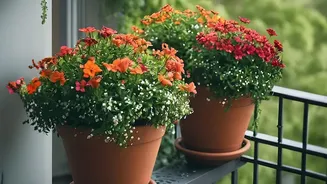
Embracing native plants doesn’t mean sacrificing beauty or colour. India’s indigenous flora is incredibly diverse and vibrant. For sunny, hot balconies, the hardy Bougainvillea offers spectacular bursts of colour with very little water. Fragrant options like Mogra (Jasmine) and Parijat fill the air with sweet scents and are culturally significant. Herbs like Tulsi (Holy Basil) and the Curry Leaf plant are not only low-maintenance but also useful in the kitchen. For climbers, the brilliant blue flowers of Aparajita (Butterfly Pea) are an easy-to-grow and stunning choice. Other popular and resilient options include Ixora, Vinca (Sadabahar), and various species of hibiscus that thrive in Indian conditions.
How to Get Started
Starting a native garden is simpler than you might think. Begin by observing your space: how much sun does it get and at what time of day? This will help you choose the right plants. Most native flowering plants prefer at least four to six hours of sunlight. Use a well-draining soil mix, as waterlogging during monsoons can be a problem. Perhaps the most important tip is to avoid overwatering; native plants are adapted to local rainfall patterns and are often more resilient to drought than to excessive moisture. Visit a local nursery and ask for indigenous or 'desi' varieties—they are often more affordable and tougher than their hybrid counterparts. By starting small with a few pots, you can gradually build a garden that is both beautiful and in harmony with its surroundings.