



Why Sitting Is Tough on Joints
Our bodies are designed for movement. When you sit for prolonged periods, several things happen that can lead to joint pain and stiffness. Firstly, the muscles that support your spine and hips, like your glutes and core, can weaken from underuse. This
forces your joints and ligaments to take on more strain. Secondly, sitting for hours, especially with poor posture, tightens other muscles, such as your hip flexors and hamstrings. This creates imbalances that can pull on your knees and lower back. Perhaps most importantly, movement is what lubricates your joints. A substance called synovial fluid acts like oil, reducing friction inside the joint capsule. Physical activity circulates this fluid, but long periods of inactivity cause it to become stagnant, leading to that feeling of stiffness and reduced flexibility.
Mobility: Your First Line of Defence
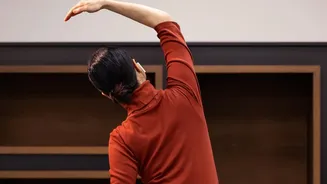
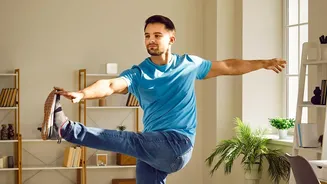
You don't need an intense workout to start making a difference; the opposite of sitting isn't standing, it's moving. The first step is to reintroduce gentle movement throughout your day. This is where mobility exercises shine. These are dynamic movements that take your joints through their full range of motion. Think of them as 'oiling' your joints by stimulating that all-important synovial fluid. Simple desk-friendly stretches like seated cat-cows, torso twists, and ankle rotations can be done every hour to break up long periods of sitting. Getting up every 20 to 30 minutes to walk around, even for just a minute, can also prevent stiffness from setting in. These small 'movement snacks' boost circulation and wake up sleepy muscles, providing immediate relief and long-term benefits.
Strength Training for a Resilient Framework
While mobility helps with immediate stiffness, strength training builds the support structure that protects your joints from strain in the first place. When the muscles around a joint are strong, they act like a natural brace, absorbing impact and reducing the load on the joint itself. For desk workers, this means focusing on the muscles that sitting tends to weaken: the glutes, core, and upper back. Exercises like glute bridges, planks, and rows are excellent for counteracting the effects of a slumped posture. You don't need heavy weights; bodyweight exercises or resistance bands can be incredibly effective. Strengthening these key muscle groups helps stabilise your hips and spine, leading to better posture and less pain over time.
The Power of Low-Impact Cardio
Cardiovascular exercise is crucial for overall health, and it plays a special role in joint care. Low-impact activities are ideal because they get your heart rate up and improve circulation without jarring the joints. Activities like brisk walking, cycling, swimming, or using an elliptical machine are fantastic choices. The increased blood flow delivers vital oxygen and nutrients to your joint tissues, helping with repair and maintenance. Furthermore, cardio helps with weight management, which is a key factor in joint health. Every extra kilogram of body weight puts several extra kilograms of pressure on your knees, so maintaining a healthy weight significantly reduces wear and tear on your weight-bearing joints.
Creating a Joint-Friendly Workday
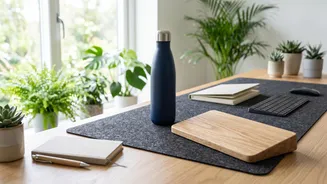
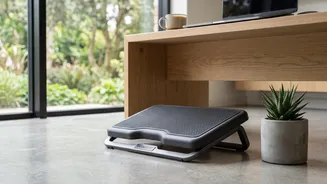
Integrating these principles into your work routine is key. Start by checking your office ergonomics. Ensure your chair supports your lower back, your feet are flat on the floor, and your monitor is at eye level to avoid neck strain. Set a timer to remind yourself to get up and move every half hour. Use these short breaks for a quick walk or a few simple stretches. If possible, consider a standing desk to vary your position throughout the day. Remember, the goal is not to eliminate sitting entirely, but to avoid staying in one static position for too long. By weaving a combination of regular movement, targeted strengthening, and low-impact cardio into your life, you can effectively combat the joint strain caused by a sedentary job.