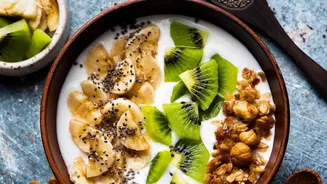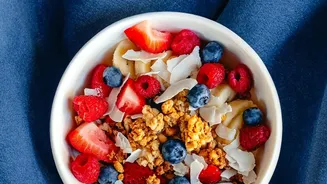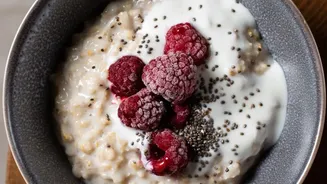


Starting the day with a balanced breakfast is crucial for managing diabetes. Adding nutrient-dense edible seeds is a simple, effective way to boost fibre, healthy fats, and protein, helping to stabilise blood sugar levels right from the morning.
1. Chia Seeds
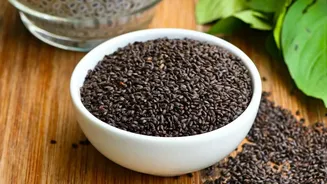
These
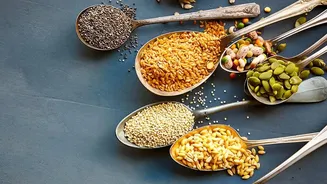
tiny black seeds are a powerhouse of nutrition, making them an excellent choice for a diabetes-friendly diet. Chia seeds are exceptionally high in soluble fibre, which is key to their blood sugar-stabilising effects. When mixed with liquid, they form a gel-like substance that slows down digestion. This process helps prevent sharp spikes in blood sugar after a meal by ensuring a more gradual release of glucose into the bloodstream. Furthermore, a two-tablespoon serving packs about 10 grams of fibre and 5 grams of protein, promoting a feeling of fullness that can aid in weight management, a critical aspect of diabetes control. They are also rich in omega-3 fatty acids and magnesium, which support heart health and improve insulin sensitivity. Easily add them to overnight oats, blend them into smoothies, or sprinkle them over yogurt or upma.
2. Flax Seeds (Alsi)
Flax seeds, or alsi, are another fantastic addition to a diabetic breakfast, prized for their high fibre content, omega-3 fatty acids, and unique compounds called lignans. The soluble fibre in flax seeds helps slow down the absorption of sugar, leading to better blood sugar control and preventing post-meal spikes. Studies have shown that regular consumption can improve insulin sensitivity and reduce fasting blood glucose levels. Lignans, which are powerful antioxidants, may also contribute to these benefits by reducing inflammation and insulin resistance. For your body to best absorb these nutrients, it is recommended to consume flax seeds in their ground form. A spoonful of ground flaxseed can be easily mixed into porridges, dosa batter, yogurt, or blended into a breakfast smoothie for a simple nutritional upgrade.
3. Pumpkin Seeds (Pepitas)
Often overlooked, pumpkin seeds are nutritional gems, particularly for individuals managing diabetes. They are one of the best natural sources of magnesium, a mineral that plays a vital role in glucose control and insulin sensitivity. Research suggests a link between low magnesium levels and insulin resistance, making magnesium-rich foods like pumpkin seeds highly beneficial. These seeds are also a great source of healthy fats, protein, and fibre, a combination that helps in stabilising blood sugar levels and promoting satiety. Their low carbohydrate content ensures they have a minimal impact on blood glucose. Enjoy a small handful as a snack, or sprinkle them over poha, oatmeal, or yogurt for added crunch and nutrients.
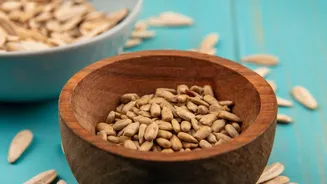
4. Sunflower Seeds
Sunflower seeds are not just a crunchy snack; they are packed with nutrients that support diabetes management. They have a low glycemic index, meaning they do not cause a significant rise in blood sugar levels. Rich in healthy fats, protein, and fibre, they help slow down digestion and provide a steady release of energy, preventing glucose spikes. Sunflower seeds are also an excellent source of vitamin E, an antioxidant that helps reduce inflammation, which is often associated with insulin resistance. Additionally, their magnesium content further contributes to better blood sugar regulation. To avoid excess sodium, opt for unsalted sunflower seeds. You can add them to smoothies, sprinkle them on top of a vegetable omelette, or mix them into a bowl of yogurt.
5. Sesame Seeds (Til)
Widely used in Indian cooking, sesame seeds (til) offer significant benefits for diabetes management. They are a good source of healthy fats, protein, fibre, and magnesium, all of which contribute to better glycemic control. The low carbohydrate and high fat and protein content mean they have a minimal effect on blood sugar levels. Some research suggests that compounds in sesame seeds, such as sesamin, may help improve insulin sensitivity and reduce inflammation. These seeds are also rich in antioxidants which help combat oxidative stress in the body. You can easily incorporate them into your breakfast by sprinkling them on idli or dosa with podi, adding them to porridges, or using tahini (sesame paste) as a base for a savoury breakfast dressing.