




The Science of a Dry Holiday
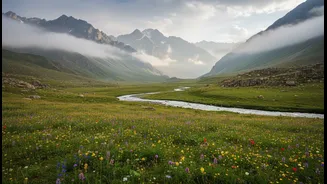
The term 'rain shadow' sounds technical, but the concept is simple. When moisture-laden monsoon clouds travel from the sea, they are blocked by the towering Himalayan mountain ranges. The mountains force the clouds to rise, cool, and release all their
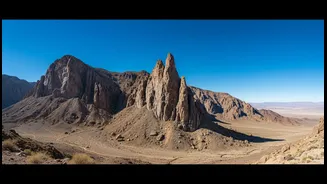
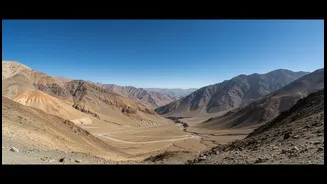
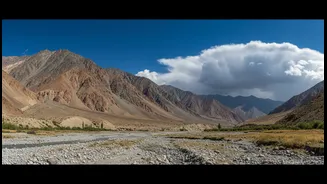
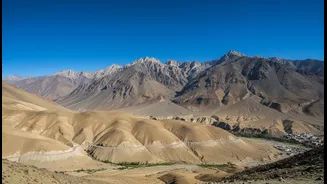
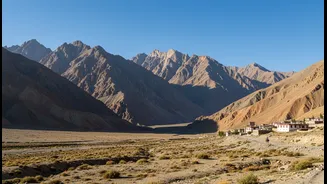
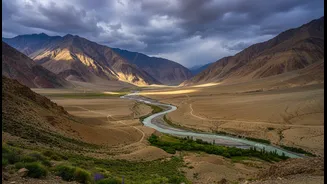
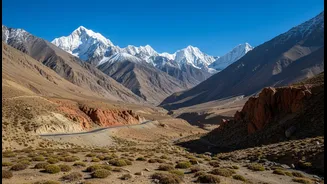
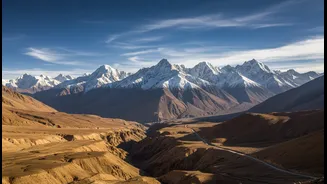
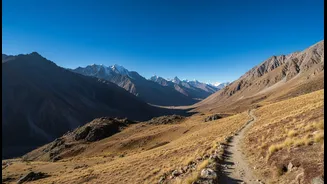
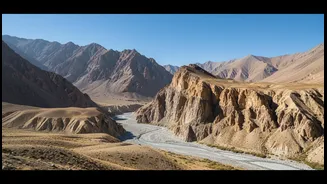
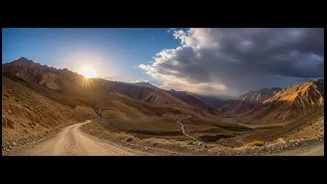
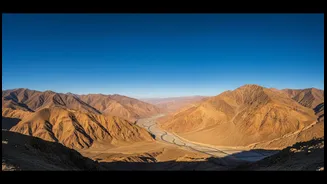
rain on one side (the windward side). The land on the other side of the mountains, known as the leeward side, receives very little to no rain, creating a cold, arid desert landscape. This phenomenon is why places like Ladakh and Spiti remain sunny and dry, making them perfect escapes while the rest of the country experiences heavy rainfall.
Ladakh: The Land of High Passes
Often called the 'Cold Desert', Ladakh is a prime rain-shadow destination. In July, you can expect pleasant daytime temperatures between 25°C to 30°C in Leh, with clear blue skies perfect for sightseeing. All major roads, including the high-altitude passes like Khardung La, are typically open and fully accessible. This is the best time to explore the breathtaking beauty of Pangong Tso, a surreal lake that changes colours throughout the day, and the remote Nubra Valley with its sand dunes. July is also a great time to immerse yourself in local culture, as the famous Hemis Festival, which celebrates the birth of Guru Padmasambhava with vibrant masked dances, sometimes takes place this month.
Spiti Valley: A World Within a World
Tucked away in Himachal Pradesh, Spiti Valley is another spectacular rain-shadow region. While the approach roads from Manali or Shimla might see some monsoon activity, the valley itself remains largely dry. July is an ideal month to visit as all roads and passes, including the dramatic Kunzum Pass, are open. Spiti offers a unique blend of stark landscapes and ancient Tibetan Buddhist culture. You can explore thousand-year-old monasteries like Key, Tabo, and Dhankar, send a postcard from the world's highest post office in Hikkim, and visit the fossil-rich village of Langza. The weather is generally pleasant, perfect for trekking, camping, and mountain biking.
Upper Kinnaur: A Quieter Alternative
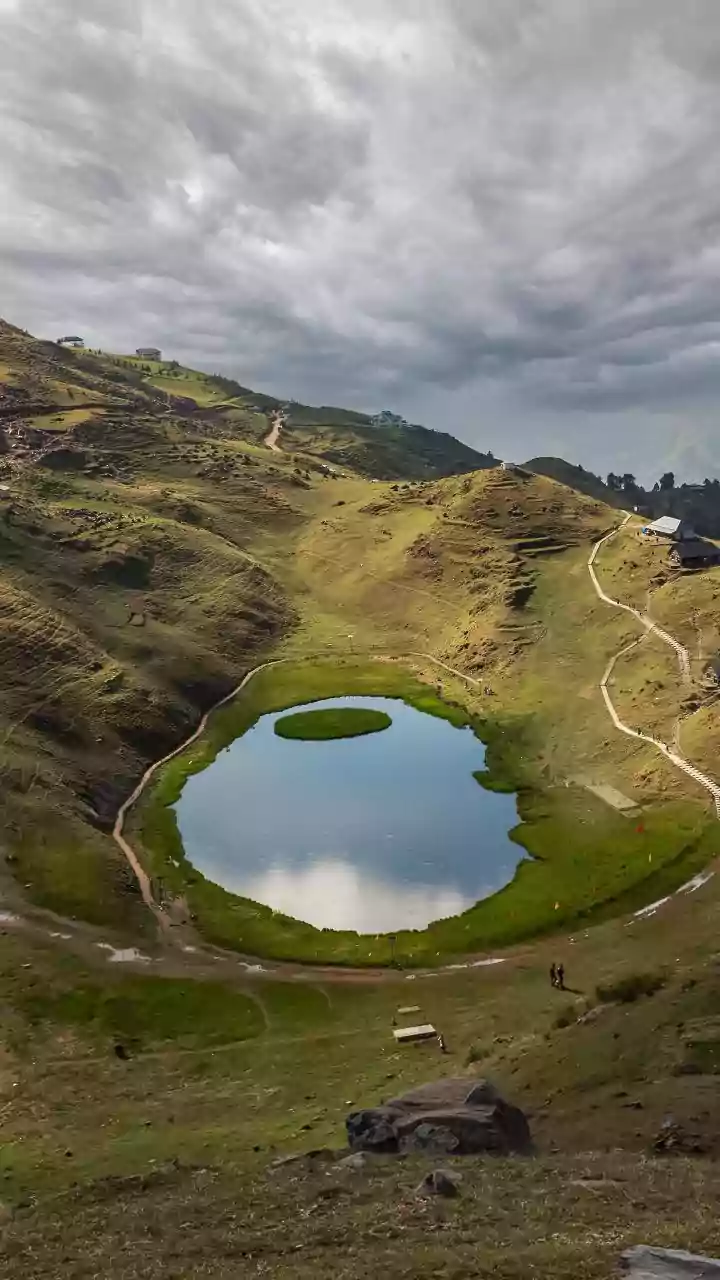
While the lower parts of Himachal's Kinnaur district receive monsoon showers, the upper regions bordering Spiti fall into a rain-shadow zone. Areas like Nako and Moorang offer a drier climate, similar to Spiti but often with fewer crowds. You can visit the ancient Nako Monastery and the serene Nako Lake. The journey through Kinnaur itself is breathtaking, with roads carved into cliffs overlooking the roaring Sutlej River. However, be aware that the journey to reach these upper areas can be prone to landslides during heavy rains in the lower valleys, so it's essential to check road conditions before you travel.
Essential Tips for Your High-Altitude Trip
A trip to these high-altitude regions requires some preparation. Acclimatisation is non-negotiable. Spend at least one or two days at a lower altitude like Leh or Kaza before ascending further to prevent Acute Mountain Sickness (AMS). Hydration is key; drink plenty of water to cope with the dry climate. The sun at high altitudes is incredibly harsh, so sunscreen, sunglasses, and a hat are essential. Even though days are warm in July, nights can be chilly, so packing layers is the smartest way to prepare for fluctuating temperatures. Lastly, since July is a popular season for these destinations, it is wise to book your flights and accommodation well in advance.