


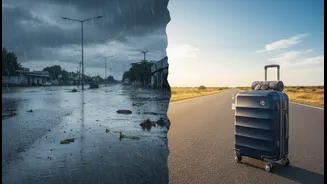


The Allure of a Rain-Soaked Holiday
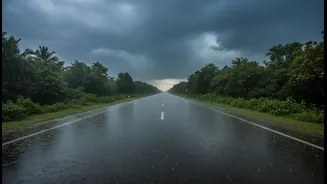
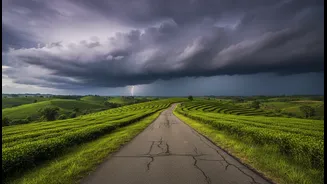
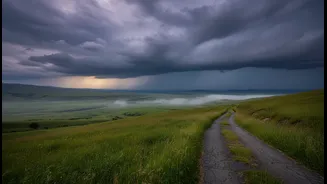
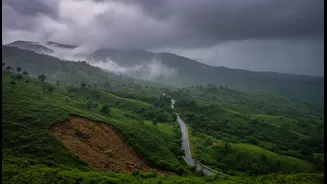
There's a certain magic to India during the monsoon. The scorching summer heat gives way to cooler, pleasant weather, and the landscape undergoes a dramatic transformation. Hills and forests shrug off their dry, dusty cloaks for a vibrant emerald green.
Waterfalls that were mere trickles roar back to life, and rivers swell with nourishing rain. For travellers, this period, roughly June to September, is often considered the off-season. This translates to significant advantages: fewer tourists at major attractions, more affordable luxury accommodation, and a generally more relaxed travel experience. It’s a chance to see iconic sites without the usual crowds and to enjoy the serene, rain-washed beauty of the country. Many also consider it the best time for wellness retreats, as the humid climate is believed to enhance Ayurvedic treatments.
A Reality Check: The Risks are Real
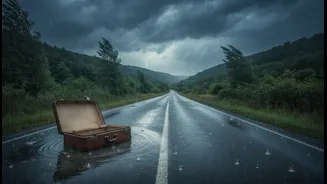
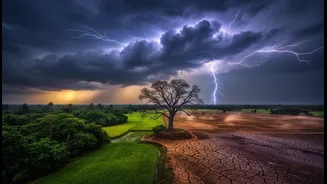
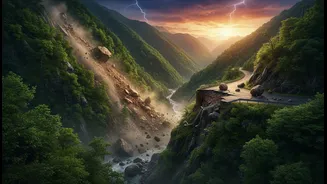
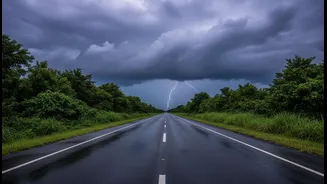
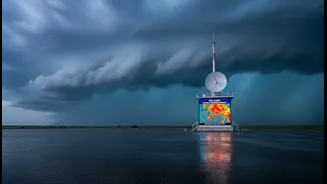
While the romance of monsoon travel is undeniable, the risks are serious and widespread. The India Meteorological Department (IMD) has issued alerts for heavy to very heavy rainfall across numerous states, warning of conditions that can disrupt travel. The primary dangers are landslides and flash floods, especially in hilly regions like Himachal Pradesh, Uttarakhand, and the Western Ghats. Heavy downpours can destabilize slopes, leading to road blockages that can leave towns stranded for days. In July 2026, authorities have already flagged several popular destinations, including Lonavala, Khandala, Wayanad, and parts of Himachal, for travel disruptions due to landslides and flooding. Urban areas are not immune, with cities like Mumbai and Delhi experiencing severe waterlogging, which leads to traffic chaos and closure of underpasses. Train services can also be disrupted, as seen with flood damage to railway infrastructure in Assam.
Choosing Your Destination Wisely
The key to a successful monsoon trip is careful planning and destination selection. Not all regions are affected equally. Some areas are notoriously high-risk and are best avoided. These include many popular Himalayan destinations prone to landslides and coastal areas facing rough seas. Conversely, some places are at their best. Destinations in Rajasthan like Udaipur, Jodhpur, and Jaipur receive significantly less rainfall and offer a chance to see palaces and forts without the peak season crowds. The Deccan Plateau, including spots like Hampi, is another relatively drier option. In the south, places like Munnar and Coorg are famously beautiful in the rain, but it’s crucial to check local advisories for landslide risks before travelling. For those wanting to avoid the rain entirely, Ladakh remains largely untouched by the southwest monsoon.
Smart Tips for Safe Monsoon Travel
If you decide to venture out, preparation is everything. Always check the latest IMD forecasts and local advisories before and during your trip. Build flexibility into your itinerary; transport can be delayed, and roads can close unexpectedly. Packing is crucial: include waterproof bags for electronics, quick-drying clothes, sturdy footwear with good grip, and a reliable raincoat or umbrella. Carry a basic medical kit with treatments for common water-borne ailments and mosquito repellent, as the risk of dengue and malaria can increase. When on the road, drive slowly and cautiously, and never attempt to cross flooded roads where the water depth is uncertain. It’s also wise to avoid street food, which can be a higher health risk during this season. Finally, book accommodations with flexible cancellation policies and try to travel during the daytime to better assess road conditions.