







What Exactly Is a Slow Holiday?
Forget rushing through a checklist of landmarks just to get the perfect photo. Slow travel is a mindset that encourages a deeper, more meaningful connection with a destination. Its roots are intertwined with the 'slow food' movement, which began in Italy
as a protest against fast-food culture. The philosophy is simple: quality over quantity. Instead of seeing five cities in five days, you might spend a week in one village, truly absorbing its rhythms. It's about savouring experiences, whether that's learning the name of your homestay host, spending an afternoon reading in a local cafe, or discovering a hidden trail you won’t find in any guidebook. This approach swaps the stress of a packed itinerary for the joy of genuine discovery and a more relaxed pace.
The Rise of the Unhurried Indian Traveller
The desire for slower, more intentional travel is growing rapidly in India, particularly among younger travellers and those with remote work flexibility. The chaos of modern urban life has left many craving escapes that offer mental peace and authentic connection rather than just another stamp in the passport. Instead of chasing crowded tourist hotspots, people are seeking out quieter destinations. This shift means staying longer in one place, exploring off-season, and prioritising experiences that support local communities and offer a real sense of place, from the serene backwaters of Kerala to the misty hills of the Himalayas.
A Taste of Place: The Homegrown Food Scene
One of the most delicious aspects of slow travel is its focus on local food. This goes beyond just eating at popular restaurants; it’s about understanding the journey from the farm to your plate. Across India, a vibrant farm-to-table movement is thriving. In places like Coorg, you can stay on a coffee plantation and learn about the harvest. In Goa, you can move beyond the beach shacks to find family-run taverns and take cooking classes in heritage homes. Restaurants like Masque in Mumbai and Farmlore near Bengaluru create experimental tasting menus based entirely on seasonal produce sourced from local farm partners, offering a meal that tells the story of the region. This approach supports local farmers and provides a truly authentic culinary experience.
Into the Wild: Nature Walks and Eco-Tourism
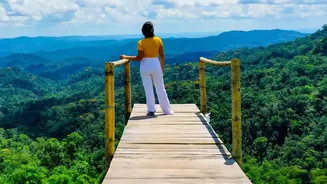
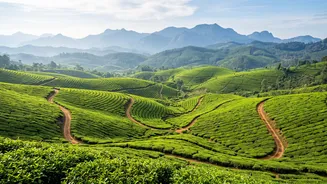
Connecting with the natural world is another cornerstone of the slow holiday. Instead of a quick jeep safari, it’s about immersing yourself in the environment through guided nature walks and eco-friendly stays. In the hills of Munnar, you can trek through tea plantations and lush forests, learning about the local flora and fauna from a guide. In places like Mawlynnong in Meghalaya, known as Asia's cleanest village, you can stay in community-run homestays and hike to living root bridges. This form of eco-tourism not only provides a richer, more educational experience but also promotes conservation by giving local communities a direct stake in protecting their natural environment. It reduces the carbon footprint associated with frequent travel and fosters a deeper respect for nature.
More Than a Holiday: The Lasting Benefits
The rewards of slow travel extend far beyond the trip itself. For the traveller, it offers a chance to genuinely unwind and reduce stress, leading to enhanced mental wellbeing. For the destination, it’s a more sustainable model of tourism. By spending more time and money within a single community, travellers directly support local economies, from small guesthouses and artisans to independent guides. This approach helps preserve local cultures and reduces the environmental strain caused by mass tourism. Ultimately, a slow holiday isn't about doing less; it's about experiencing more on a deeper, more meaningful level.