



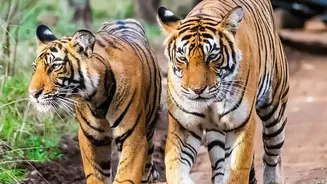
The New 'Safari Express' on the Rails
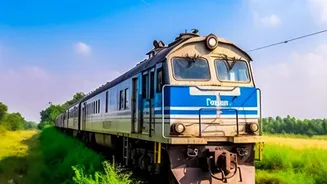
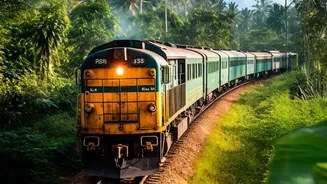
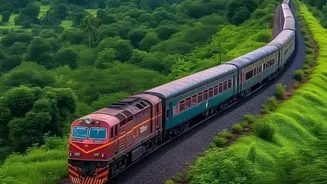
The game-changer for wildlife tourism in the region is the recently established overnight connectivity linking key towns in Madhya Pradesh and Maharashtra. A prime example is the Rewa-Itwari Express, a service that effectively connects the gateways to several
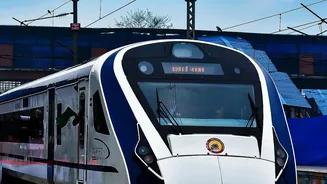
premier tiger sanctuaries. This train runs between Rewa in Madhya Pradesh and Itwari (Nagpur) in Maharashtra, creating a direct, overnight link across the heart of India's tiger country. Departing in the evening and arriving the next morning, it allows travellers to sleep through the journey, saving both time and the cost of a hotel room. This service, along with improved general connectivity in the area like the Jabalpur-Nagpur Vande Bharat Express, is making multi-park itineraries a feasible and affordable reality for budget-conscious adventurers.
Which Tiger Reserves Are Now Closer?
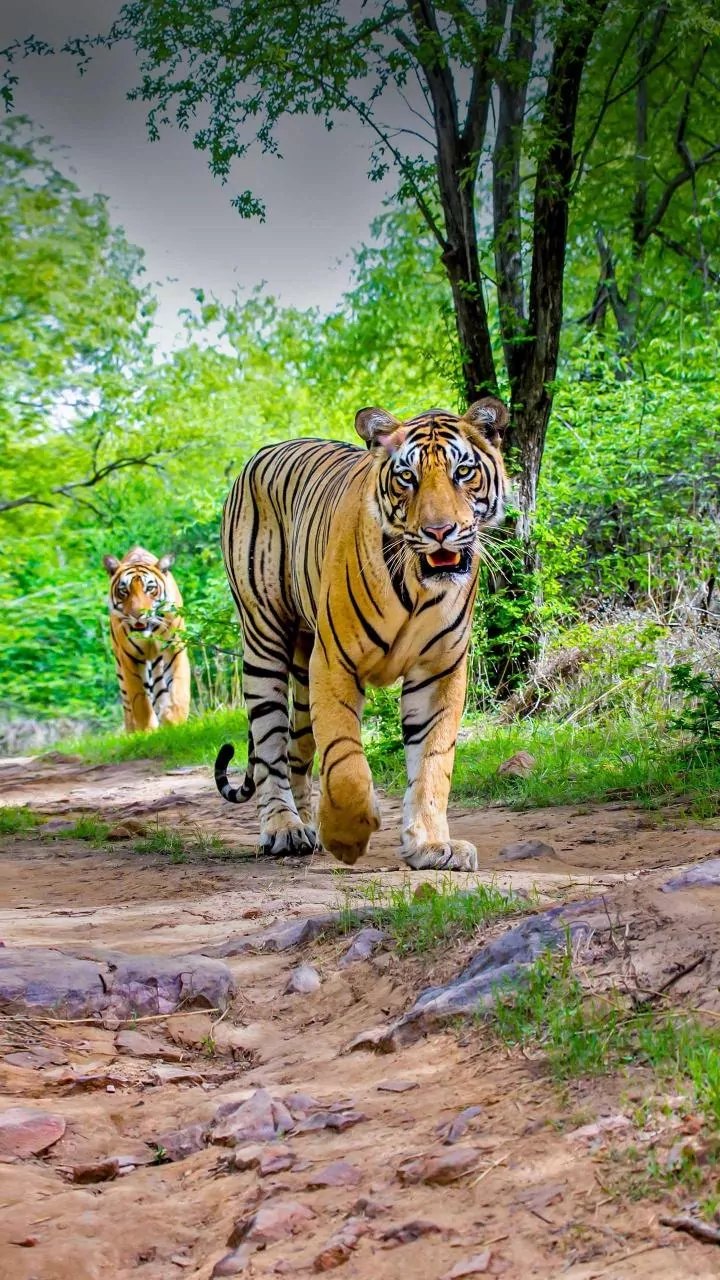
This enhanced rail network places some of the most sought-after national parks at your doorstep. The key is to know which station serves which park. For Bandhavgarh National Park, known for its high tiger density, the most convenient railway stations are Katni and Satna, both of which are major halts for the new overnight services. From Katni, the park is just a two-hour drive away. For the sprawling Kanha National Park, your destination would be Jabalpur or Gondia. Jabalpur is a major city and a four-hour drive from the park, while Gondia offers another access point, particularly for the Kanha zone. Further south, the train's terminus at Itwari in Nagpur opens up access to two of Maharashtra's finest parks: Pench National Park, the setting for "The Jungle Book," and the Tadoba-Andhari Tiger Reserve, famous for its frequent tiger sightings. Both are just a few hours' drive from Nagpur.
How This Makes Your Safari Cheaper
The primary advantage of these overnight trains is the significant cost reduction. Previously, reaching these parks often required expensive private taxis for long-distance road travel between cities like Jabalpur and Nagpur, or a complicated series of bus and train changes. A single taxi journey could cost several thousand rupees. By opting for an overnight sleeper or 3AC train ticket, travellers can cover these long distances for a fraction of the price. Furthermore, travelling overnight eliminates the need for a hotel stay for that night, saving you another significant expense. This allows you to allocate more of your budget towards the actual safari experience—the jeep permits, guide fees, and park entry—which is the main purpose of your trip.
Step-by-Step: Planning Your Rail Safari
Planning a safari using these trains is straightforward. First, decide on the national park(s) you wish to visit and identify the corresponding railway station. The best season for tiger sightings is typically from October to June. Second, book your train tickets well in advance, especially during peak season, using the official IRCTC website or app. Simultaneously, you must book your safari permits online. For parks in Madhya Pradesh like Kanha and Bandhavgarh, this is done through the MP Forest Department website, while Maharashtra parks like Tadoba and Pench have their own official booking portals. These permits are limited and sell out fast, so it is crucial to book them as soon as your travel dates are fixed. Finally, book your accommodation near the park gate, ranging from budget guesthouses to luxury lodges.
From Station to Safari: The Final Mile
Once you alight from your overnight train in the morning, you need to cover the last leg of the journey to the national park's entrance gate. All major stations like Jabalpur, Katni, and Nagpur have readily available taxis and private cabs that you can hire for the transfer. For a more budget-friendly option, especially from smaller stations like Umaria (for Bandhavgarh), you can often find shared jeeps or local buses heading towards the park area. It is always a good idea to contact your hotel or resort in advance, as many offer a pickup service from the nearest railway station for a pre-arranged fee. This takes the hassle out of negotiating upon arrival and ensures a smooth transfer, allowing you to relax and get ready for your first jungle adventure.