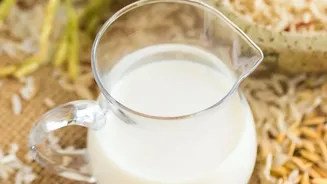








What Is This Ancient Superfood?
Known as Pazhanthanji, Pazhamkanji, or simply fermented rice, this dish is a testament to traditional wisdom and resourcefulness. For centuries, it was the staple breakfast for farmers and laborers in South India, particularly in states like Kerala and Tamil
Nadu. The preparation is deceptively simple: leftover cooked rice is submerged in water and left to ferment in a clay pot overnight at room temperature. By morning, a process of lactic acid fermentation transforms the simple grain into a nutrient-dense, probiotic-rich porridge with a slightly tangy taste. Traditionally, it's served with simple accompaniments like crushed shallots, green chilies, yogurt, or a side of pickles.
A Natural Probiotic Powerhouse
Long before probiotics were a billion-dollar industry, fermented rice was a primary source of beneficial gut bacteria for entire communities. The fermentation process encourages the growth of Lactobacillus, a probiotic strain known for supporting a healthy gut microbiome. A healthy gut is linked to improved digestion, reduced inflammation, and a stronger immune system. This natural fermentation breaks down anti-nutritional factors in rice, making it easier to digest and reducing issues like bloating. For those with sensitive stomachs or digestive discomfort, it offers a gentle, nourishing meal.
Why It's Catching On in Fitness Circles
The claim that Pazhanthanji is a "premier choice" may be an overstatement, but its rise in wellness communities is undeniable. Fitness enthusiasts are increasingly seeking whole-food alternatives to processed supplements, and this ancient porridge fits the bill perfectly. It provides easily digestible carbohydrates for sustained energy, which was its original purpose for manual laborers. Furthermore, the fermentation process enhances the bioavailability of key micronutrients, meaning your body can absorb more of them. Studies and traditional knowledge suggest it is rich in minerals like iron, potassium, and magnesium, and that fermentation boosts the presence of B-vitamins, including B6 and B12, which are crucial for energy metabolism.
More Than Just Carbs
Beyond energy and probiotics, this fermented rice dish has other benefits that align with modern health goals. It's traditionally known as a body coolant, making it a refreshing option in warm weather or after a workout. Some research also points to fermented rice having a lower glycemic index compared to freshly cooked rice, leading to a slower, more stable release of sugar into the bloodstream. This can aid in blood sugar management and promote satiety, potentially supporting weight management goals by keeping you feeling full longer.
How to Try It at Home
Making your own Pazhanthanji is incredibly easy. Simply take leftover cooked rice (brown or red rice varieties work well) and place it in a clay or glass pot. Add enough water to cover the rice completely, cover the pot loosely, and let it sit on your counter overnight for 8-12 hours. In the morning, the water will be slightly cloudy and the rice soft. Mash it gently with a spoon or your hand, and add a pinch of salt. From there, you can customize it to your liking with a splash of yogurt or buttermilk, finely chopped shallots, or a bit of spicy pickle for a traditional flavor experience.