

The Gentle End of the Sharp Edge
For years, the marker of a modern living room was its geometry: a rectangular sofa, a square coffee table, and sharp, clean lines everywhere. But a significant shift is underway. Homeowners and designers are moving away from this boxy rigidity towards
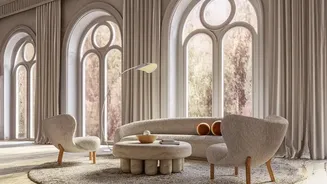
more fluid, organic shapes. This trend, favouring curves, is transforming everything from architecture to furniture. Arched doorways are making a comeback, softening transitions between rooms and adding a touch of grandeur. In the living room, the change is most visible in seating. Curved sofas and sectionals, often called 'cloud sofas', are replacing their straight-backed predecessors. Their rounded forms create a natural, conversational embrace, subtly encouraging people to face each other. This move towards curves is about creating spaces that feel more enveloping, comforting, and less formal. It is a departure from interiors designed to be looked at, and a move towards spaces designed to be lived in.
A Return to Natural Materials
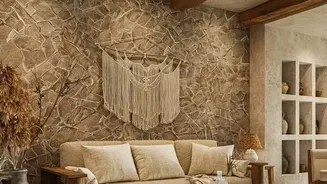
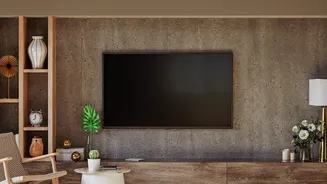
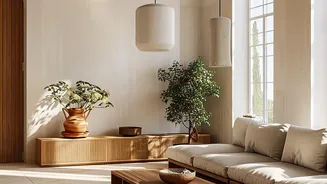
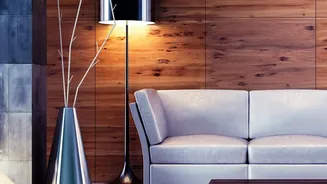
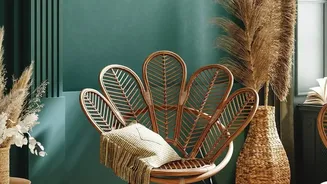
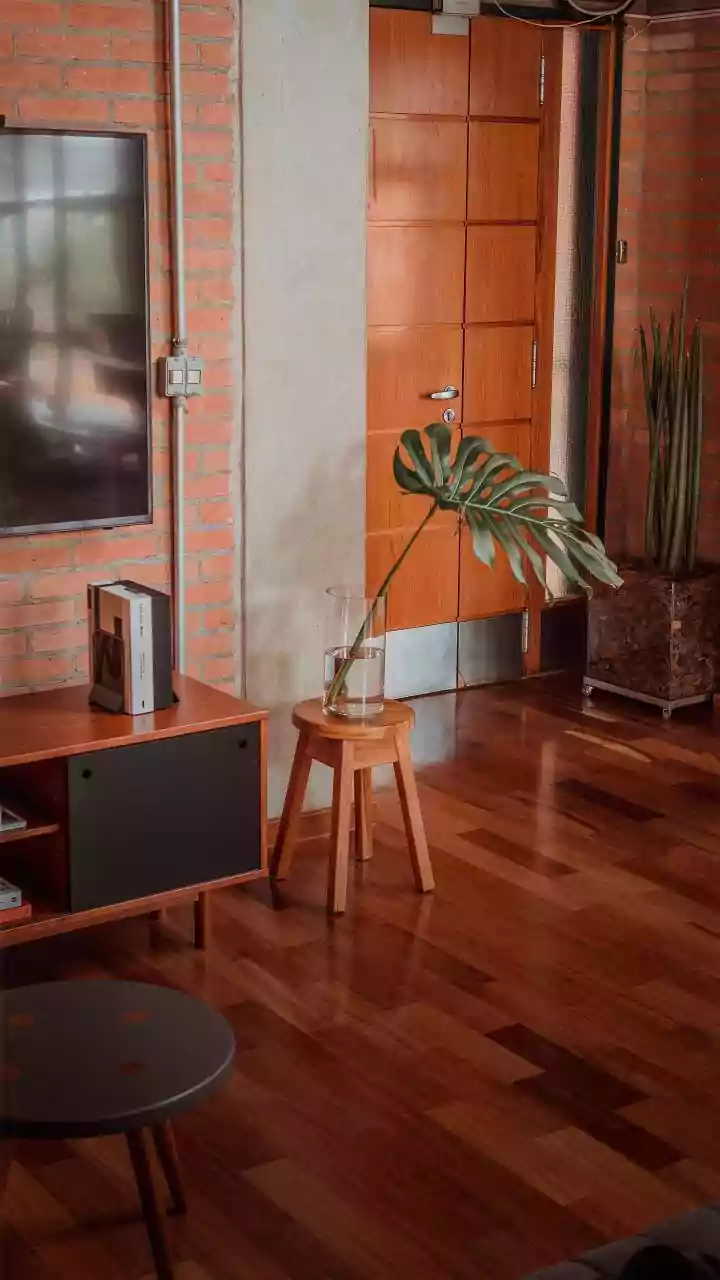
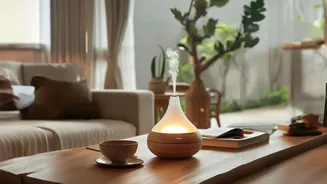
Alongside this softening of silhouettes is a renewed appreciation for natural materials. After a period dominated by high-gloss lacquers and synthetic finishes, materials that feel authentic and tactile are back in focus. We're seeing a resurgence of solid woods like teak and sheesham, prized for their durability and beautiful grain. These are complemented by other earthy materials: jute and cane for rugs and accent furniture, terracotta for planters and decor, and natural stone for tables and flooring. This trend is deeply connected to a growing desire for sustainability and wellness. Homeowners are increasingly conscious of the environmental impact of their choices and the health of their indoor environment. Natural materials are often locally sourced, biodegradable, and free from the volatile organic compounds (VOCs) found in many synthetic products and paints. The result is a home that not only looks grounded but feels healthier and more connected to the earth.
The Influence of Biophilia and Japandi
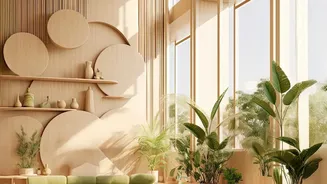
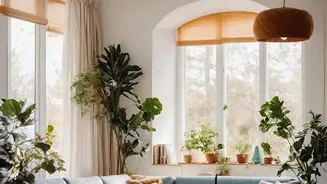
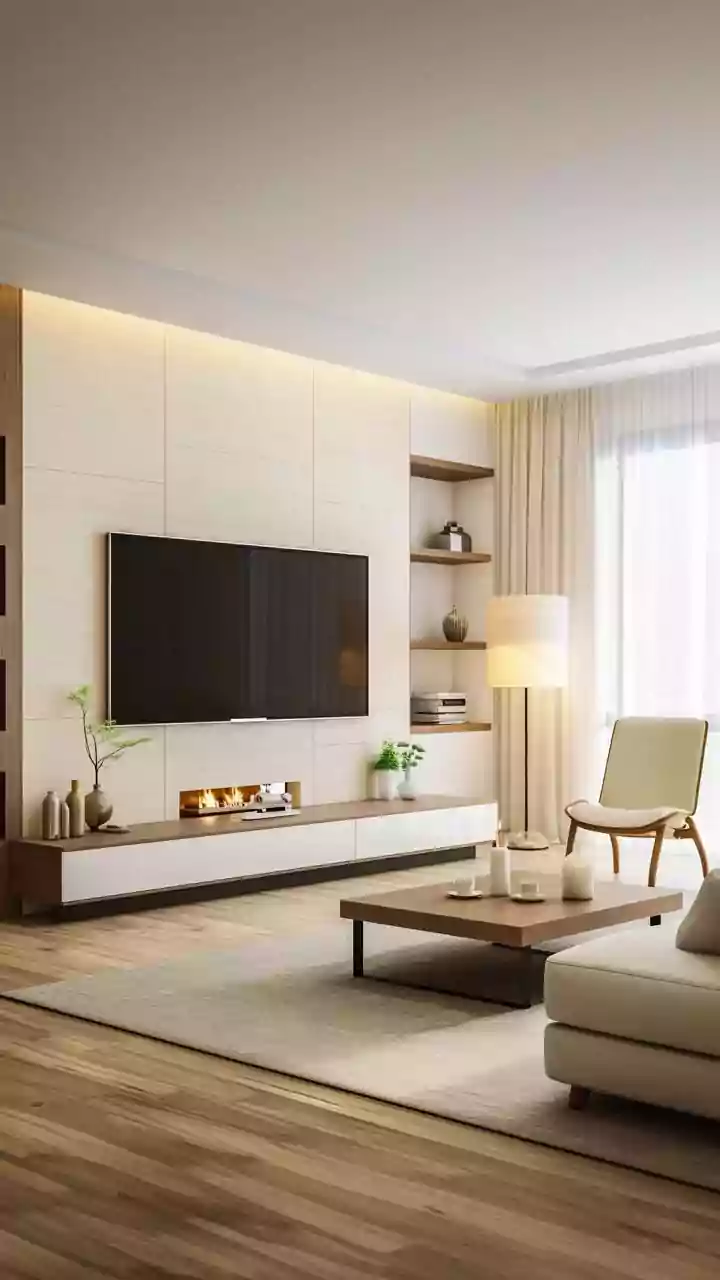
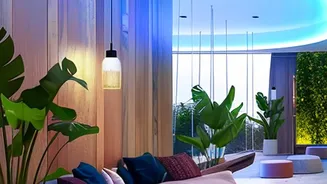
This trend isn't happening in a vacuum; it’s propelled by two major design philosophies: biophilia and Japandi. Biophilic design is the concept of connecting our indoor spaces with nature to improve our well-being. It argues that since nature rarely has sharp right angles, incorporating organic forms and natural materials into our homes can create a more calming, restorative environment. The trend of bringing plants indoors, maximising natural light, and using earthy colour palettes are all elements of biophilic design. Simultaneously, the Japandi style—a hybrid of Japanese minimalism and Scandinavian warmth—has found a strong footing in India. Japandi favours functional, uncluttered spaces, warm neutral colours, and high-quality natural materials. It finds beauty in imperfection and craftsmanship, values that resonate deeply with traditional Indian aesthetics. Together, these influences are pushing Indian interiors towards a look that is minimal without being cold, and warm without being cluttered.
Why Now? Creating a Sanctuary
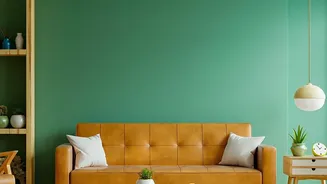
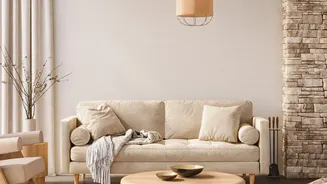
The collective craving for softer, more nurturing environments can be seen as a response to our increasingly digital and hectic lives. The pandemic, in particular, fundamentally changed our relationship with our homes, transforming them into all-in-one spaces for work, rest, and family. This has led to a desire for interiors that serve as a sanctuary—a place of comfort and psychological safety. The rounded edges of a curved armchair feel like an embrace, while the texture of a jute rug or a wooden table feels grounding and real. This move towards warmth is also reflected in the changing colour palette. The cool greys that dominated for nearly a decade are being replaced by warmer neutrals like beige, sand, terracotta, and olive green, which feel more inviting under Indian light. It's a design language focused less on impressing guests and more on nurturing its inhabitants.
Bringing the Look Home
Adopting this trend doesn't require a complete overhaul. You can start small to introduce a softer, more natural feel to your living room. Consider replacing a rectangular coffee table with a round or oval one to immediately improve the flow of the room. A single, sculptural curved armchair can serve as a piece of functional art. Introduce natural textures through hand-woven cushions, a large jute rug, or linen curtains. Swap out synthetic fabrics for organic cotton, khadi, or wool. Bring in plants not just as an afterthought, but as an integral part of your decor. A few terracotta planters can add an instant touch of earthy warmth. The goal isn't to perfectly replicate a look, but to curate a space that feels personal, comfortable, and deeply connected to the natural world.