



What is the New Proposal?
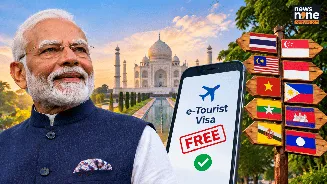
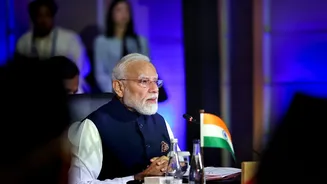
On November 17, 2026, at the 23rd India-ASEAN Summit in Manila, Philippines, Indian Prime Minister Narendra Modi announced a proposal to offer free electronic tourist visas to citizens of all 11 ASEAN member states. This initiative is part of India's
broader 'Act East' policy, aimed at deepening economic and cultural ties with its eastern neighbours. While the announcement signals a major step towards more accessible travel, it's important to note that this is currently a proposal. The government has not yet confirmed an implementation date or the final details of the scheme. The plan would eliminate the visa fee, but travellers would still need to apply for an e-visa online and meet all immigration requirements.
Which 11 Countries Are Included?
The proposal covers the entire bloc of the Association of Southeast Asian Nations (ASEAN), which includes ten founding members and one recent addition. The eleven countries whose citizens could benefit from the free e-visa are: Brunei, Cambodia, Indonesia, Laos, Malaysia, Myanmar, the Philippines, Singapore, Thailand, Timor-Leste, and Vietnam. This move aims to create a uniform visa policy for the entire region, simplifying travel for a significant number of potential visitors to India.
Harmonising an Existing Policy
This proposal isn't entirely new but rather an expansion of India's current visa policy. As it stands, citizens from five of the 11 ASEAN countries already enjoy some form of free e-tourist visa. For instance, travellers from Indonesia and Myanmar can get 30-day, one-year, and five-year e-tourist visas for free. Citizens of Malaysia, the Philippines, and Thailand are eligible for a free 30-day e-tourist visa, but have to pay for longer-duration visas. The new proposal would extend this benefit to the remaining six ASEAN countries: Brunei, Cambodia, Laos, Singapore, Timor-Leste, and Vietnam. Currently, citizens from these six nations pay between $10 and $25 for a 30-day e-visa, depending on the season, plus bank processing charges.
How the E-Visa System Works
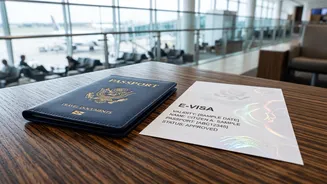
It's crucial to understand that a 'free e-visa' is not the same as 'visa-free travel'. Even if the fee is waived, visitors will still need to complete the online application process through India's official e-visa portal (indianvisaonline.gov.in). The e-visa system requires applicants to upload a recent photograph and a copy of their passport. The visa is then processed and, upon approval, sent to the applicant via email. Travellers must carry a printout of this electronic travel authorisation (ETA) with them when they travel to India. The new proposal concerns the visa fee itself; any associated bank processing charges may still apply. Until an official start date is announced, the existing rules and fees remain in effect.
The Bigger Picture: Boosting Tourism and Ties
The primary goal of this initiative is to strengthen people-to-people connections and significantly boost tourism from the ASEAN region, which is a key market for India. In 2025 alone, India welcomed over 800,000 visitors from ASEAN countries. By making travel more affordable and accessible, India hopes to attract even more tourists, students, and business travellers. The move is also a key diplomatic gesture, underlining India's commitment to ASEAN unity and its 'VIKSIT BHARAT 2047' vision, which aligns with the ASEAN Community Vision 2045 for regional cooperation and prosperity. This unilateral offer, which doesn't depend on reciprocal arrangements from ASEAN countries, underscores the importance India places on its relationship with the bloc.